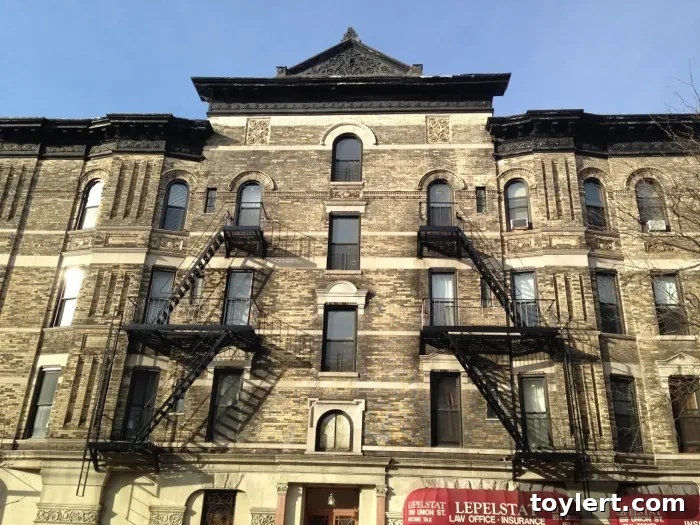
Brooklyn’s Affordability Crisis: Rents Soar as Incomes Lag
Brooklyn, once an affordable alternative to Manhattan, has transformed into a global destination known for its vibrant culture, historic architecture, and diverse communities. However, this rise in popularity has come at a steep price for its residents: a deepening housing affordability crisis. A report from the City Comptroller highlighted a stark reality: from 2000 to 2012, average rents in Brooklyn surged by an astonishing 77 percent. This dramatic increase starkly contrasts with the city-wide real median income, which actually fell by 4.8 percent during the same period. These figures, as described in The New York Post, underscore a critical imbalance, making Brooklyn’s rent increases the largest in any borough and placing immense financial strain on its residents.
The widening gap between stagnant wages and spiraling housing costs poses a fundamental challenge to the borough’s future, threatening to erode the very diversity and vibrancy that have made it so appealing. The implications extend far beyond mere financial discomfort, impacting social cohesion, local economies, and the long-term sustainability of Brooklyn as an inclusive urban center. Understanding the roots of this crisis and exploring viable solutions is paramount to preserving the borough’s unique character and ensuring its accessibility for all.
The Alarming Numbers: A Deep Dive into Brooklyn’s Affordability Gap
The statistics presented in the City Comptroller’s report paint a grim picture of housing affordability in Brooklyn. A 77 percent rise in average rents over just twelve years (2000-2012) signifies an unprecedented rate of increase. To put this into perspective, during the same period, the average rent in the entire nation rose by a significantly lower margin. This local explosion in housing costs, coupled with a simultaneous city-wide decline in real median income, creates an untenable situation for many households. Residents find themselves in a constant struggle to keep pace with housing expenses, often forced to dedicate an increasingly large portion of their earnings to rent.
This economic disparity is not merely anecdotal; it is a systemic issue with profound consequences. Families that have lived in Brooklyn for generations are finding themselves priced out of their neighborhoods. Young professionals entering the workforce struggle to find affordable housing, often delaying independent living or opting to leave the city altogether. Small business owners, who depend on a local customer base, also feel the squeeze as their employees and patrons are forced to move further afield. The problem highlights a fundamental disconnect between the economic realities of many New Yorkers and the soaring costs of living in one of the most desirable urban environments.
Drivers of the Rental Surge: Why Brooklyn Became So Expensive
The dramatic increase in Brooklyn’s rents can be attributed to a confluence of factors, each exacerbating the supply-demand imbalance and contributing to the borough’s premium housing market.
Gentrification and Increased Desirability
Brooklyn’s transformation from a relatively overlooked borough into a global brand has driven immense demand. Its rich cultural scene, diverse culinary landscape, beautiful parks, and proximity to Manhattan have attracted a significant influx of new residents, including young professionals, families, and international migrants. This heightened desirability has naturally put upward pressure on housing prices, as more people compete for a limited number of homes.
Supply-Demand Imbalance
Despite periods of new construction, the supply of housing in Brooklyn has struggled to keep pace with the surging demand. Land is scarce, and development can be a complex, lengthy, and expensive process due to zoning regulations, community input, and construction costs. Much of the new construction has also focused on luxury units, which, while adding to the overall housing stock, do little to alleviate the affordability crisis for middle and lower-income households.
Speculation and Investment
Real estate in Brooklyn has increasingly become an attractive investment vehicle for both domestic and international buyers. Speculative buying, often by large investment firms, can drive up property values, sometimes leading to properties being held vacant or converted into high-end rentals or condominiums, further reducing the supply of accessible housing. The focus on maximizing returns often supersedes the need for community-based housing solutions.
Economic Inequality and Stagnant Wages
While some sectors of the New York City economy have seen significant growth, many residents have experienced stagnant wages for years. The decline in real median income across the city highlights a broader economic trend where the cost of living outpaces income growth for a significant portion of the population. This disparity makes the burden of rising rents even heavier, pushing more families into housing insecurity.
The Human Cost: Impact on Brooklyn’s Communities
The affordability crisis in Brooklyn is not just about numbers; it has profound human and social consequences that reshape communities and threaten the borough’s very identity.
Displacement and Loss of Community Fabric
Perhaps the most poignant impact is the displacement of long-term residents and families who can no longer afford to live in the neighborhoods they helped build. This forced exodus leads to the disintegration of established communities, severing social ties, and eroding the unique cultural fabric that makes Brooklyn special. Schools lose students, local businesses lose loyal customers, and the sense of belonging diminishes.
Erosion of Diversity
Brooklyn has long been celebrated for its incredible diversity—a melting pot of cultures, ethnicities, and socio-economic backgrounds. The rising cost of housing threatens this fundamental characteristic, pushing out working-class families and people of color, leading to a more economically homogeneous population. This loss of diversity impoverishes the borough culturally and socially, making it less representative of the broad spectrum of New Yorkers.
Increased Commute Times and Strain
As residents are priced out of Brooklyn, many are forced to move further afield, often to less accessible areas of the outer boroughs or even beyond the city limits. This results in longer and more expensive commutes, adding significant stress to daily life, reducing leisure time, and increasing transportation costs, thereby negating some of the savings from lower rents.
Strain on Local Businesses and Services
Small businesses, which are the backbone of Brooklyn’s vibrant commercial corridors, also suffer. As their customer base shrinks or shifts, and as commercial rents simultaneously rise, many beloved local shops, restaurants, and service providers are forced to close their doors. This leads to a loss of essential services and unique character, replaced often by chain stores or vacant storefronts.
Addressing the Crisis: De Blasio’s Affordable Housing Initiative and Its Limitations
In response to the escalating housing crisis, then-Mayor Bill de Blasio launched an ambitious plan aimed at creating or preserving 200,000 units of affordable housing across New York City. The strategy involved various mechanisms, including mandatory inclusionary zoning, which requires developers to include affordable units in new residential projects, as well as significant investments in preserving existing affordable housing stock through subsidies and renovations. The goal was to provide much-needed relief to low- and middle-income families struggling with housing costs.
However, as a story in The New York Times implied, meeting this stated goal alone might not be sufficient to truly fix the underlying problem, especially for the city’s poorest residents. Critics pointed out several limitations:
Definition of “Affordable”
The term “affordable” often referred to housing priced for households earning 60-80% of the Area Median Income (AMI), which, in a high-cost city like New York, can still be out of reach for many very low-income families and individuals. The plan was criticized for not producing enough deeply affordable units for those most in need.
Pace vs. Demand
Even with 200,000 units, the sheer scale of the affordability gap and the ongoing demand for housing meant that the impact could be diluted. The rate of new affordable housing creation struggled to keep pace with the continued influx of new residents and the ongoing displacement pressures.
Focus on New Construction vs. Existing Affordability
While new construction is vital, some argued that more emphasis should be placed on robust tenant protections and the preservation of existing rent-stabilized units, which often represent the most affordable housing options for many New Yorkers. Preventing the loss of these units is as crucial as building new ones.
Geographic Distribution and Community Impact
The implementation of inclusionary zoning and new developments often faced local opposition (NIMBYism), and concerns were raised about whether new affordable units were being strategically placed to benefit the most vulnerable communities without further gentrifying them.
Beyond the Status Quo: Comprehensive Solutions for Sustainable Affordability
Addressing Brooklyn’s deep-rooted affordability crisis requires a multi-faceted approach that goes beyond existing strategies. A truly sustainable solution would integrate aggressive policy changes with community-led initiatives.
Aggressive Zoning Reform
Outdated zoning laws often restrict the density and types of housing that can be built. Reforming these regulations to allow for more diverse housing options, including multi-family dwellings, smaller units, and mixed-income developments, particularly near transit hubs, could significantly increase supply where it’s most needed. This also includes exploring adaptive reuse of commercial buildings into residential spaces.
Enhanced Tenant Protections and Rent Stabilization
Strengthening rent stabilization laws, closing loopholes that allow landlords to increase rents dramatically, and implementing “good cause” eviction protections would provide greater security for tenants. This would help prevent arbitrary rent hikes and evictions that force long-term residents out of their homes, preserving existing affordability.
Community Land Trusts (CLTs)
Supporting and expanding Community Land Trusts can offer a powerful tool for long-term affordability. CLTs acquire land, removing it from the speculative market, and lease it to residents for housing at permanently affordable rates. This model ensures that housing remains affordable for generations, regardless of market fluctuations.
Increased Public Investment and Deeper Affordability
There is a critical need for greater public investment in creating and preserving housing that is affordable to extremely low- and very low-income households. This means providing more substantial subsidies and developing truly affordable housing projects without relying solely on market-rate development incentives.
Combating Speculation and Vacancy
Implementing policies that deter speculative buying and discourage vacant properties, such as vacancy taxes or stricter regulations on large corporate ownership of residential buildings, could help stabilize the market and ensure that housing serves as a home first, not just an investment asset.
Workforce Development and Economic Equity
Beyond housing policies, fostering economic development that creates higher-paying jobs accessible to Brooklyn’s diverse workforce is essential. Addressing income inequality through job training, living wage initiatives, and support for local businesses can empower residents to better afford their housing costs.
Challenges and the Road Ahead
Implementing these solutions is fraught with challenges. Political will is often tested by competing interests from developers, existing homeowners, and tenant advocates. NIMBYism (Not In My Backyard) can hinder efforts to build more housing, even when it’s desperately needed. Funding gaps are a constant concern, as comprehensive housing initiatives require substantial financial commitments from both city and state governments. Furthermore, the bureaucratic hurdles and the sheer complexity of urban planning mean that significant change often happens slowly.
The delicate balance between fostering growth, preserving historic character, and ensuring equity for all residents remains a central dilemma for Brooklyn. The borough’s future hinges on its ability to navigate these complexities with thoughtful, inclusive, and sustained policy interventions.
Conclusion: A Call to Action for Brooklyn’s Future
The soaring rents and stagnant incomes in Brooklyn represent more than just an economic challenge; they pose an existential threat to the borough’s diverse identity and social fabric. While efforts like Mayor de Blasio’s affordable housing plan were steps in the right direction, the data clearly indicates that a more aggressive, comprehensive, and equitable strategy is desperately needed. Brooklyn’s unique charm has always stemmed from its vibrant mix of cultures, incomes, and histories. To preserve this, policymakers, community leaders, and residents must unite to implement bold solutions that prioritize long-term affordability, protect vulnerable populations, and ensure that Brooklyn remains a place where everyone, regardless of their income, can find a place to call home.