Jordan Nassar: Weaving Identity and Landscape Through Hand Embroidery
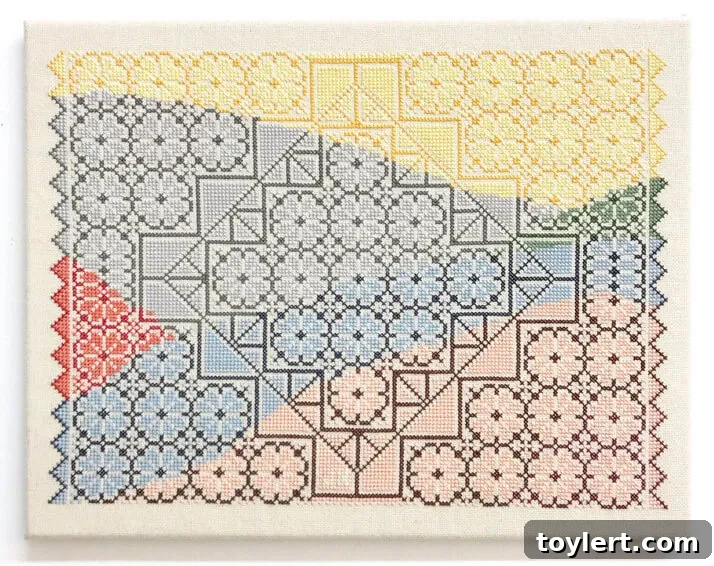
In the vibrant artistic hub of Gowanus, Brooklyn, a distinctive talent is redefining the boundaries of contemporary art. Jordan Nassar, a Palestinian-American artist, has captivated the art world with his richly detailed and profoundly imaginative landscapes. Far from the conventional canvases of painting or the lenses of photography, Nassar’s chosen medium is hand embroidery – a meticulous, ancient craft that he elevates to fine art, creating works that are not only visually stunning but also deeply imbued with narrative and cultural resonance. At first glance, his pieces invite admiration for their intricate beauty, yet a closer look reveals layers of meaning that speak to heritage, memory, and the universal human experience of longing.
The Meticulous Art of Textile Landscapes
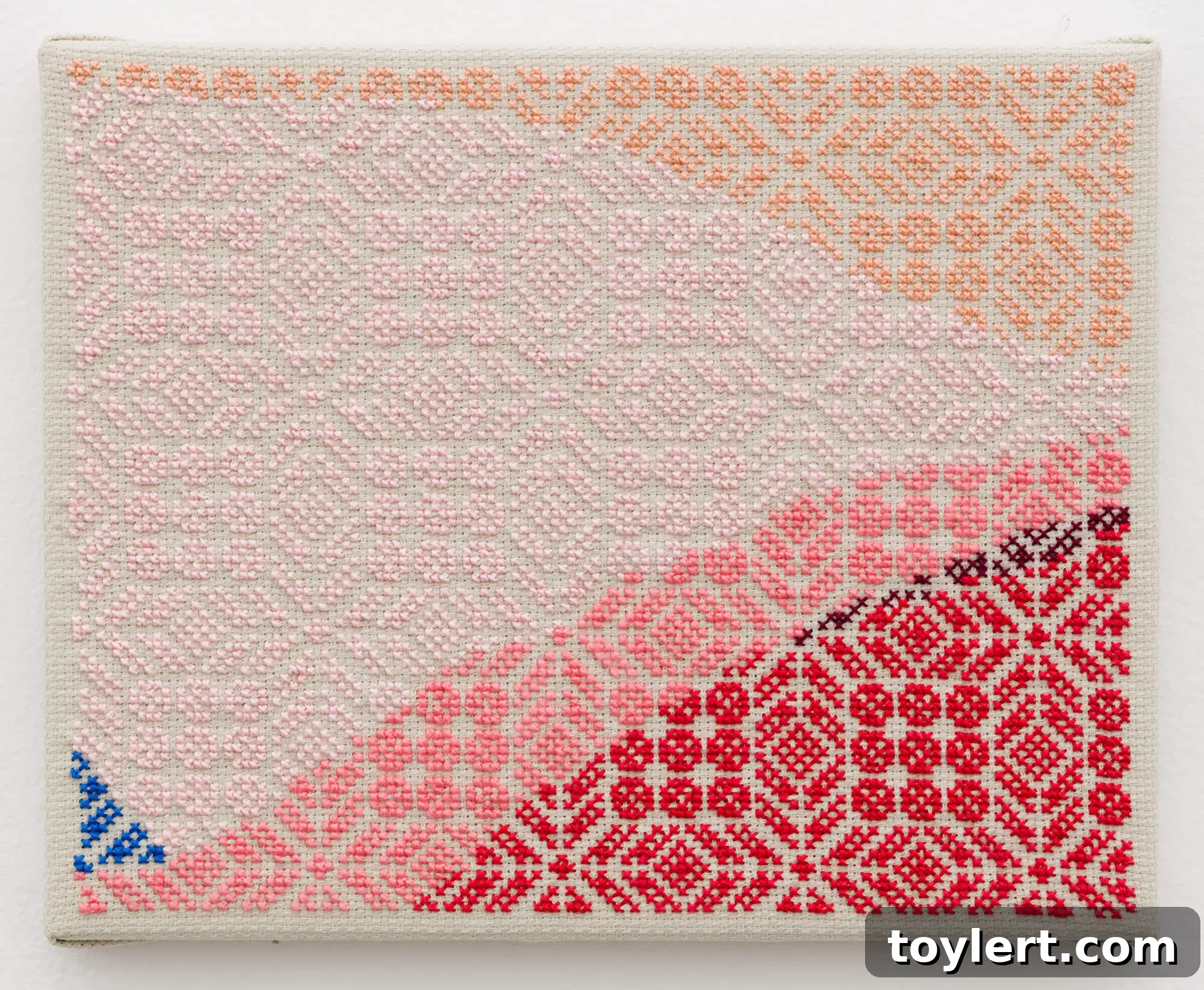
Nassar’s unique approach challenges traditional art hierarchies by placing hand embroidery at the forefront of contemporary artistic discourse. While often associated with craft or domesticity, in Nassar’s hands, thread and fabric become sophisticated tools for profound artistic expression. Each stitch is a deliberate mark, contributing to a complex tapestry of color, texture, and form. The landscapes he creates are not merely depictions of existing places; rather, they are dreamlike vistas, imagined terrains that often blend abstract patterns with recognizable elements, inviting viewers into a contemplative space where reality and fantasy beautifully intertwine. This unexpected medium lends a distinct tactile quality to his work, distinguishing it sharply from more conventional art forms.
The laborious nature of embroidery itself contributes significantly to the depth and intentionality of Nassar’s work. Unlike the rapid execution possible with paint or the instantaneous capture of a photograph, embroidery demands immense patience, precision, and an intimate engagement with the material. This slow, meditative process imbues each piece with a palpable sense of time and devotion, allowing for a nuanced exploration of themes that might otherwise be fleeting. It is this dedication to his craft, combined with his distinctive artistic vision, that transforms simple fabric and thread into powerful narratives that resonate long after the initial viewing, inviting contemplation on the passage of time and the labor of love.
Roots and Resonance: A Palestinian-American Narrative
At the heart of Jordan Nassar’s artistic practice lies a deep, unwavering connection to his Palestinian heritage. Born and raised in New York, Nassar embarks on a journey of cultural reclamation and expression, seamlessly utilizing traditional Palestinian motifs within his contemporary compositions. This act of weaving heritage into his art is not just an aesthetic choice; it’s a poignant exploration of identity, memory, and a profound sense of belonging for those living in diaspora. The intricate patterns, known as *tatreez*, are central to this dialogue, serving as both artistic elements and cultural anchors.
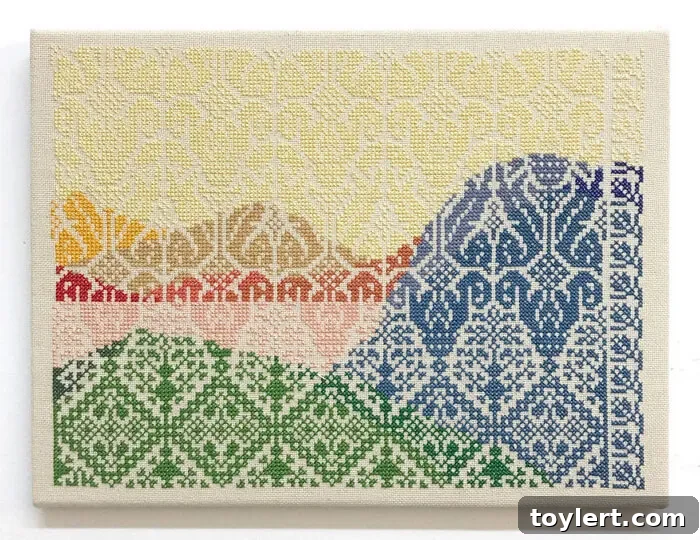
Tatreez, a centuries-old Palestinian embroidery tradition, is far more than mere decoration; it’s a rich visual language steeped in history and communal identity. Each stitch, color, and motif often tells a specific story, representing particular villages, historical events, or deeply personal narratives passed down through generations. By meticulously integrating these time-honored patterns into his fantastical landscapes, Nassar creates a powerful, tangible bridge between the past and the present, between an ancestral homeland and his lived experience in the modern world. This fusion allows him to convey a profound sense of longing – a yearning for connection, for roots, and for a comprehensive understanding of a heritage that is both intensely personal and vibrantly collective. His work becomes a textile memoir, stitched with the threads of memory and aspiration.
Evolution and Collaboration: Expanding the Tatreez Legacy
Nassar’s artistic journey has been one of continuous growth and deepening complexity, reflecting a relentless pursuit of mastery and conceptual depth. From his earlier solo exhibitions in 2016 and 2017, where he began to establish his unique voice and foundational style, his pieces have evolved to become progressively more intricate, conceptually robust, and emotionally resonant. His mastery of the craft has allowed him to push the boundaries of what hand embroidery can achieve, moving beyond simple representation to explore abstract ideas, nuanced feelings, and multifaceted cultural narratives with increasing sophistication.
A pivotal development in his recent work, significantly enriching his practice, has been his collaboration with Palestinian women who are seasoned practitioners of tatreez embroidery. This partnership is far more than a practical arrangement; it represents a profound, living connection to the enduring tradition of his heritage. By working directly with these skilled artisans, Nassar not only actively supports the preservation of this valuable cultural art form but also infuses his own work with an authentic depth and intricate knowledge that only direct engagement with the source can provide. These collaborations have become absolutely central to his creative process, enabling him to explore new patterns, refine techniques, and unlock fresh narrative possibilities within his already compelling textile landscapes.
The scope of Nassar’s artistic output has also expanded beyond traditional wall-hung pieces, venturing into new and exciting territories. In a fascinating extension of his artistic vision, he has begun creating clothing that features these intricate tatreez designs. This venture into wearable art further broadens the reach and accessibility of Palestinian cultural motifs, transforming them from static gallery pieces into dynamic, everyday elements of personal style and cultural expression. This innovative approach allows the rich history and artistry of tatreez to be carried forward into contemporary life, making it accessible to a wider, diverse audience and powerfully reinforcing its enduring relevance in a globalized world. It bridges the gap between historical craft and modern fashion, making a statement about identity that is both subtle and profound.
A Rising Star in the Contemporary Art Scene
Jordan Nassar’s distinctive voice and powerful narratives have garnered significant attention and critical acclaim within the international contemporary art scene. His career trajectory has been marked by a series of high-profile exhibitions and features that have solidified his reputation as an artist whose work demands close attention. Following his successful solo shows, Nassar made a considerable impact at the prestigious Frieze New York art fair in 2018. Frieze, renowned for showcasing leading galleries and highlighting emerging talents from across the globe, provided an unparalleled platform for his unique embroidered landscapes, significantly sparking a greater following and widespread critical appreciation for his groundbreaking work.
His recognition has continued to grow exponentially on a global scale. Earlier this year, Nassar exhibited his work in Dubai, a prominent and rapidly expanding cultural hub, further cementing his international presence and appeal. He also participated in a compelling group show titled “Borders” at the esteemed James Cohan Gallery in Manhattan. This exhibition likely resonated deeply with Nassar’s overarching themes of identity, migration, and the perceived boundaries of land and culture, making his contribution particularly poignant and thought-provoking. Furthermore, his inclusion in the third BRIC Biennial, an important exhibition specifically focused on artists based in south Brooklyn, underscored his local roots and highlighted his significant contribution to the vibrant and diverse artistic community of his home borough.
These exhibitions are not merely markers of commercial success; they are profound testaments to the power, resonance, and universal appeal of Nassar’s artistic vision. His unique ability to seamlessly fuse traditional craft with cutting-edge contemporary conceptual art, all while addressing profound cultural and personal themes, has made him a compelling and indispensable figure in ongoing discussions around identity, diaspora, cultural heritage, and the evolving definition of fine art in the 21st century. His work offers a refreshing and vital perspective on how art can serve as a powerful vehicle for cultural preservation and meaningful dialogue, engaging viewers with both its undeniable aesthetic beauty and its deeper intellectual and emotional layers.
Beyond the Horizon: The Enduring Legacy of Nassar’s Art
Jordan Nassar’s art is a powerful testament to the enduring human capacity for storytelling through craft. His intricately embroidered landscapes transcend mere visual appeal, offering viewers a profound gateway into a world where personal history, collective memory, and imaginative interpretation converge with breathtaking clarity. Each meticulously crafted piece stands as a vibrant dialogue between his Palestinian-American identity and the broader, universal questions of belonging, displacement, and human connection. The intricate patterns and deliberate stitches collectively form a narrative that is both specific to his rich heritage and universally relatable in its exploration of longing and the search for home – both physical and spiritual.
As Nassar continues to push the boundaries of textile art, his work contributes significantly to a growing global movement that actively re-evaluates and rightfully elevates traditional crafts within the contemporary art sphere. By wholeheartedly embracing and innovating within the age-old medium of hand embroidery, he inspires a profound reconsideration of what truly constitutes “art” and boldly challenges the preconceived notions often attached to fiber arts. His collaborative endeavors with tatreez practitioners not only highlight but also underscore the critical importance of cultural preservation, simultaneously empowering the communities that carry these invaluable traditions forward for future generations.
In conclusion, Jordan Nassar is far more than just an artist; he is a cultural bridge-builder, a compelling storyteller, and an undeniable innovator in the truest sense. His hand-embroidered landscapes are not merely beautiful objects to be admired from a distance; they are vibrant narratives, meticulously crafted threads that weave together the rich, complex tapestry of Palestinian heritage with the intricate complexities of modern identity. Through his unique vision, unwavering dedication, and profound artistic sensitivity, Nassar continues to create art that is both deeply personal and universally profound, inviting us all to look closer, engage more deeply, and ultimately discover the intricate beauty and meaningful depths within his imaginative and evocative terrains.