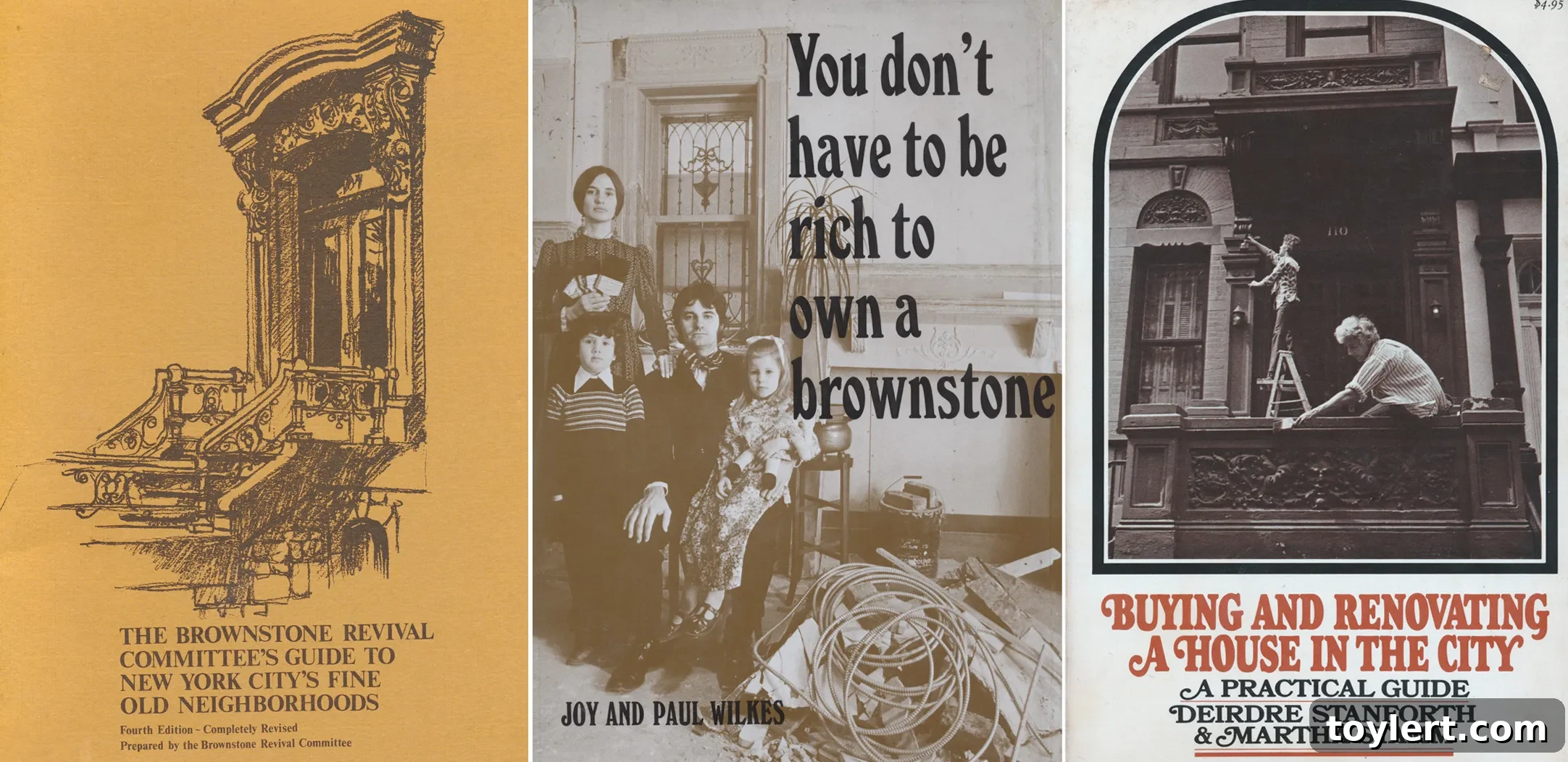
Unlocking Brooklyn’s Past: A Guide to Vintage Brownstone Renovation Books
While the dream of purchasing a Brooklyn brownstone might no longer represent the budget-friendly DIY project it once was, the allure of these historic homes remains as strong as ever. For enthusiasts, aspiring renovators, or simply those fascinated by urban history, a trove of vintage how-to manuals, detailed histories, and charming neighborhood guides offers invaluable insight. These forgotten volumes, primarily published between the 1960s and 1980s, provide a captivating look back at the origins of old house renovation in the 20th century, serving as both practical blueprints and cultural time capsules.
Beyond offering timeless practical advice for tackling historic home challenges, these books are also significant for the unique window they provide into the societal language of their era. They capture prevailing attitudes towards urban renewal, the burgeoning discussions around gentrification, and the profound transformations reshaping Brooklyn neighborhoods during a pivotal period. Delving into these texts allows us to understand not just how houses were renovated, but also how communities evolved and how the very concept of “revitalization” was perceived.
We’ve curated a roundup of particularly interesting volumes that emerged during this transformative period, specifically published between 1968 and 1980. While almost all of these publications are now out of print, their wisdom and charm are far from lost. They can often be unearthed in the quiet corners of local libraries, discovered among the eclectic shelves of used bookstores, or, in some fortunate cases, have been digitized and made freely accessible online for a new generation of readers. For those who prefer to immerse themselves in the visual narratives of that era, rather than the written word, the digitized films of the period, housed within the extensive collection of the Center for Brooklyn History, offer a compelling cinematic journey into the brownstone revival.
The Enduring Allure of Brooklyn Brownstones
Brooklyn brownstones represent more than just architectural marvels; they are iconic symbols of New York City’s rich heritage and enduring charm. With their distinctive sandstone facades, intricate architectural details, and stately presence, these row houses have captivated generations. Originally built in the 19th century, they once housed the city’s burgeoning middle and upper classes, reflecting an era of craftsmanship and grand urban living. Over time, as cities evolved, many brownstones faced periods of decline, only to be rediscovered and celebrated in the mid-20th century as pioneers sought to reclaim and restore their historic grandeur. This cyclical journey from prominence to decay and back to revival underscores their unique position in American urban history.
Today, owning a brownstone signifies a connection to a vibrant past and a commitment to preserving architectural legacy. Their spacious interiors, high ceilings, and original features like ornate fireplaces, detailed woodwork, and parquet floors are highly sought after. Each brownstone tells a story, a testament to the skilled artisans who built them and the families who have called them home. Understanding the context of their construction and subsequent transformations is key to appreciating their enduring appeal and the passion that fueled their revival.
A Look Back: The 20th Century Renovation Boom
The mid-20th century marked a crucial turning point for many American cities, including Brooklyn. Following decades of urban flight and economic shifts, numerous historic neighborhoods, including those graced by brownstones, experienced significant deterioration. However, a counter-movement began to emerge, driven by individuals and families who saw potential and value where others saw decay. This burgeoning DIY culture, coupled with a growing appreciation for historical architecture, sparked what became known as the brownstone revival.
From the 1960s through the 1980s, a wave of urban pioneers embarked on ambitious renovation projects, transforming neglected properties into cherished homes. These were often individuals with limited budgets but boundless enthusiasm, tackling everything from structural repairs to intricate interior restorations themselves. This era was characterized by a spirit of community, resourcefulness, and a profound desire to preserve the architectural heritage of Brooklyn. The renovation boom was not merely about fixing up old houses; it was about revitalizing entire blocks, fostering new communities, and redefining urban living. These vintage books served as essential companions, guiding novice renovators through complex tasks and inspiring them to bring these historic homes back to life.
Why Vintage Renovation Manuals Still Matter
Despite being decades old, these vintage brownstone renovation manuals hold a surprising and enduring relevance for today’s homeowners and preservationists. Their value extends beyond mere nostalgia, offering tangible benefits and unique perspectives that contemporary guides often overlook.
Practical Wisdom for Today’s DIYer
While modern building codes and materials have evolved, the fundamental challenges of renovating an old house remain remarkably consistent. These vintage guides provide a treasure trove of practical, hands-on advice specifically tailored to the unique construction methods and materials of 19th-century brownstones. For instance, they often detail traditional plaster repair techniques that are far more effective for historic walls than modern drywall methods. They offer insights into restoring original woodwork, refinishing antique floors, and addressing the quirks of pre-war plumbing and electrical systems with sensitivity to historical accuracy. Many older techniques, emphasizing repair over replacement, are inherently more sustainable and cost-effective for maintaining historic integrity.
These books empower the modern DIYer with a deeper understanding of period-appropriate solutions. They teach the importance of understanding a building’s history before intervening, ensuring that renovations enhance rather than detract from its character. Whether it’s advice on stripping layers of paint from intricate moldings, sourcing period-correct hardware, or understanding the structural nuances of a centuries-old foundation, the wisdom contained within these pages is often directly applicable and invaluable for anyone undertaking a sympathetic restoration project today. They encourage a thoughtful, measured approach that respects the building’s past while adapting it for modern living.
Historical Lens: Urban Renewal & Gentrification
Beyond their practical utility, these vintage books serve as vital historical documents, offering a unique window into the social and economic currents that shaped Brooklyn in the latter half of the 20th century. The language used within their pages often reflects the contemporary discourse surrounding urban renewal, a broad movement aimed at revitalizing decaying urban areas. They illustrate how neighborhoods were perceived, which areas were targeted for “improvement,” and the aspirations of those who chose to invest their time and resources in these properties.
Moreover, these texts provide early glimpses into the complex phenomenon of gentrification. They reveal the enthusiasm of pioneers who sought affordable housing and a sense of community, often inadvertently setting in motion demographic shifts that would profoundly alter Brooklyn’s character. By examining these books, one can trace the evolution of terminology and public perception regarding urban development, property values, and community displacement. They allow us to contextualize present-day discussions about housing affordability and neighborhood change by understanding the historical precedents and initial motivations behind the brownstone revival.
Architectural Inspiration and Preservation
For those passionate about architectural heritage, these vintage manuals are a wellspring of inspiration. They celebrate the intricate details, robust construction, and unique character of brownstones, inspiring readers to appreciate and preserve these irreplaceable elements. The books often include detailed illustrations, floor plans, and photographs that highlight original features, guiding renovators on how to identify and restore period-appropriate aesthetics. This focus on preservation encourages a careful approach, favoring restoration over wholesale modernization.
They educate readers on the different architectural styles prevalent in Brooklyn brownstones – from Greek Revival and Italianate to Neo-Grec and Queen Anne – helping them understand the historical context of their own homes. By promoting a deep respect for original design and craftsmanship, these guides contribute significantly to the ongoing efforts of architectural preservation, ensuring that Brooklyn’s unique streetscapes remain intact for future generations to admire and inhabit. They instill a sense of stewardship, encouraging owners to become custodians of history rather than mere occupants.
Navigating the Pages of History: Recommended Reads
While specific titles may vary in availability, the types of books published during this era offer a comprehensive resource for brownstone enthusiasts. They generally fall into several key categories, each providing distinct value.
The “How-To” Guides
These were the workhorses of the brownstone revival, filled with step-by-step instructions for tackling every conceivable renovation task. You’d find detailed sections on stripping layers of old paint from ornate plaster moldings without damaging the underlying work, repairing stubborn leaks in antiquated plumbing systems, and safely upgrading electrical wiring in homes built before the age of widespread electricity. They covered everything from waterproofing basements to restoring delicate stained-glass windows, often featuring hand-drawn diagrams and practical tips born from trial and error. These guides were indispensable for the resourceful DIYer who sought to maintain historical accuracy while making their home functional and safe for modern living.
Historical & Neighborhood Studies
Beyond the practical, many books from this period sought to document and celebrate Brooklyn’s architectural legacy and the vibrant communities within its brownstone neighborhoods. These volumes often contained richly detailed photographs capturing the streetscapes before, during, and after renovation efforts, showcasing the dramatic transformations. They chronicled the stories of individuals and groups who spearheaded the preservation movement, highlighting the social and cultural aspects of the brownstone revival. Some focused on the unique characteristics of specific neighborhoods like Park Slope, Brooklyn Heights, or Fort Greene, exploring their architectural evolution and the community efforts that revitalized them. These books serve as invaluable historical records, preserving the memory of a pivotal era.
Personal Narratives of Renovation
A smaller, but equally compelling, category includes personal accounts from those who undertook the daunting task of renovating a brownstone. These narratives often offered a more intimate and anecdotal perspective, sharing the triumphs, frustrations, and humorous mishaps that came with transforming a derelict house into a beloved home. They spoke of the camaraderie among brownstone owners, the shared learning experiences, and the deep emotional connection forged with their historic properties. These stories provide a human element to the renovation process, making the challenges and rewards feel more relatable and inspiring to future generations of home restorers.
Finding These Treasures: Libraries, Used Bookstores, and Digital Archives
Embarking on a quest for these out-of-print gems can be an adventure in itself. Your local library, particularly the Brooklyn Public Library and its esteemed Center for Brooklyn History, is an excellent starting point. Their extensive collections often house these rare volumes, providing access to their rich content without the need for purchase. Librarians can also offer expert guidance on specific archives or digital resources.
Independent used bookstores, especially those specializing in architecture, local history, or New Yorkiana, are another fantastic avenue. The joy of stumbling upon a forgotten classic on a dusty shelf is an experience unlike any other. Online marketplaces and specialized rare book dealers also frequently list these titles, though prices can vary based on condition and rarity. Furthermore, the advent of digital archives, such as Archive.org, has revolutionized access to out-of-print materials. Many historical texts have been scanned and made available for free, allowing enthusiasts worldwide to delve into these fascinating resources from the comfort of their homes. A simple online search using keywords like “Brooklyn brownstone renovation 1970s” or specific authors might yield unexpected results.
Beyond the Written Word: Visual Histories
For those who prefer a visual journey into the past, the written word isn’t the only medium available. The Center for Brooklyn History, in collaboration with the Brooklyn Public Library, has thoughtfully digitized a collection of films from the era, providing an unparalleled visual chronicle of the brownstone revival. These cinematic records offer a dynamic and immersive experience, capturing the atmosphere of Brooklyn neighborhoods undergoing transformation, showcasing the physical labor involved in renovation, and often featuring interviews with the residents and community leaders who spearheaded these efforts.
Watching these films allows viewers to witness firsthand the architectural details, interior designs, and streetscapes of the time, offering a richer context than still images alone. They provide a unique opportunity to see the homes, the people, and the spirit of an era when Brooklyn was actively redefining itself. This visual resource complements the textual accounts beautifully, offering a multi-sensory exploration of a pivotal period in the borough’s history. These films are more than just documentaries; they are living artifacts that bridge the gap between past and present, bringing the brownstone revival vividly to life.
A Lasting Legacy of Preservation and Community
Ultimately, these vintage brownstone renovation books and accompanying historical resources are more than just guides; they are enduring testaments to the power of preservation, community engagement, and the timeless appeal of well-crafted homes. They remind us that the story of Brooklyn’s brownstones is not merely one of real estate, but of passion, hard work, and a profound commitment to heritage. Whether you’re a hands-on renovator seeking period-appropriate advice, a history buff eager to understand urban evolution, or simply someone enchanted by the architectural beauty of these iconic structures, these vintage materials offer a unique and enriching journey into the heart of Brooklyn’s past and its enduring legacy.