Fred Bland Assumes Interim Leadership at New York City’s Landmarks Preservation Commission
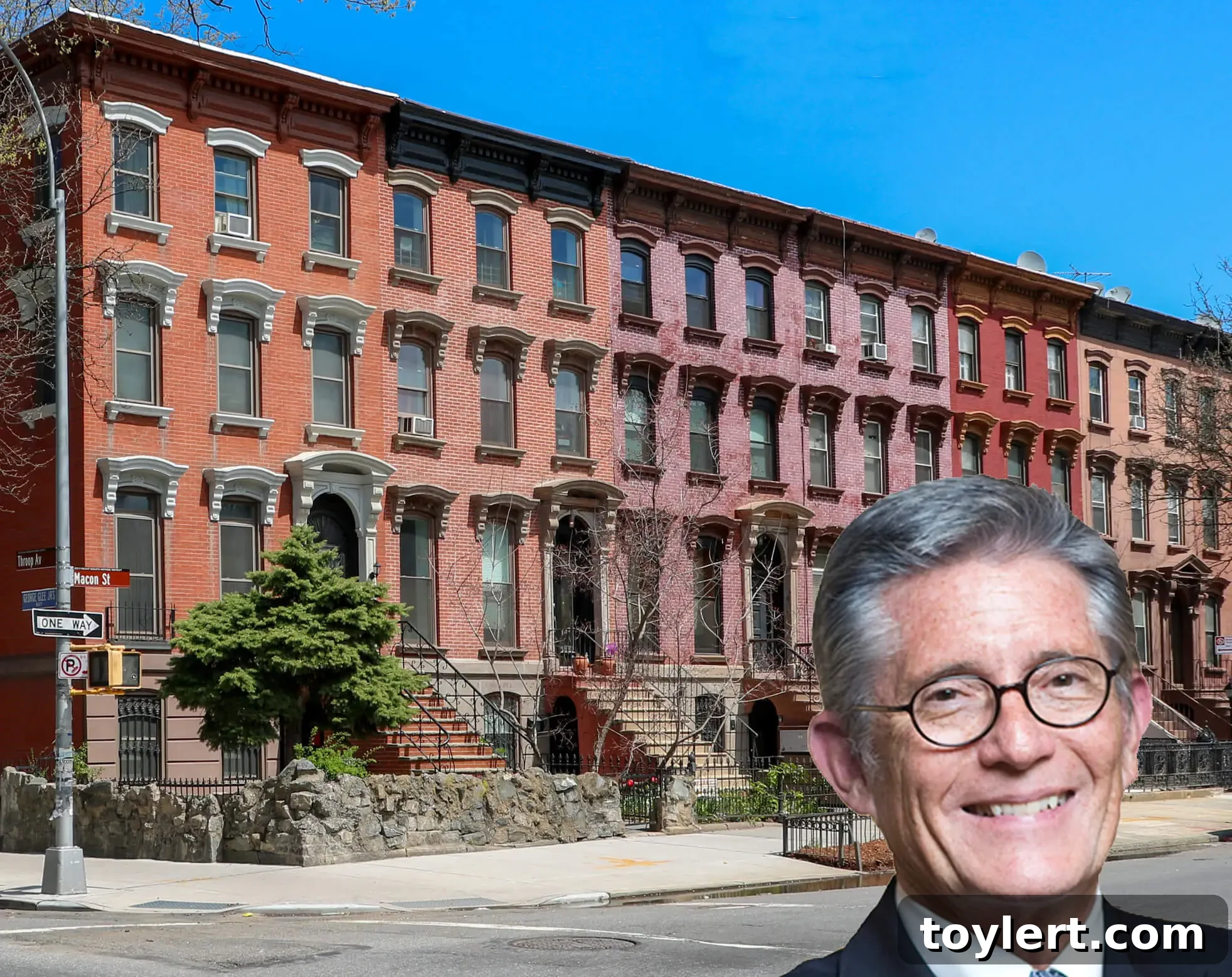
New York City’s vital institution for preserving its rich architectural legacy, the Landmarks Preservation Commission (LPC), has announced a significant interim leadership change. Fred Bland, a distinguished commissioner with a profound dedication to historic preservation, has been appointed as the Interim Chair. This pivotal role entrusts him with guiding the commission’s public hearings and meetings during a transitional period, as confirmed by the agency in a statement to Brownstoner.
Bland’s ascent to this interim position follows his recent appointment as the commission’s Vice Chair, a testament to his extensive experience and unwavering commitment since joining the LPC as a commissioner in 2008. His deep understanding of the city’s architectural fabric and the nuances of preservation policy positions him uniquely to steward the commission through this important phase. The duration of this interim period, and the timeline for appointing a permanent chairperson, remains an open question, making Bland’s steady hand all the more crucial.
A Storied Career in Architecture and Preservation
Fred Bland’s journey in the fields of architecture and urban planning is both lengthy and illustrious, making him an exceptionally qualified individual for this interim leadership role. For decades, he has been a prominent figure, recognized for his expertise and passion for integrating historical integrity with modern urban development. His professional home since 1972 has been Beyer Blinder Belle, one of the nation’s leading architectural firms renowned for its work in preservation, restoration, and urban design. As a managing partner at the firm, Bland has been instrumental in shaping countless projects that respect and enhance historical contexts while serving contemporary needs.
Beyer Blinder Belle’s portfolio, under Bland’s guidance, includes a multitude of iconic projects that have either revitalized historic structures or thoughtfully integrated new designs within sensitive urban landscapes. This work often involves navigating complex challenges inherent in historic preservation, from intricate adaptive reuse projects to large-scale urban planning initiatives that touch upon culturally significant sites. His experience with the firm has provided him with an unparalleled perspective on the practicalities and philosophies underpinning successful preservation efforts across New York City and beyond.
Beyond his architectural practice, Bland’s commitment extends deeply into community and civic engagement, particularly within Brooklyn, his long-time home. He has lent his expertise and leadership to numerous organizations dedicated to safeguarding the borough’s unique heritage. His tenure on the board of the Brooklyn Historical Society (now the Center for Brooklyn History) allowed him to contribute to an institution central to documenting and celebrating Brooklyn’s past. Furthermore, his service as president of the Brooklyn Heights Association underscores his active role in preserving the distinctive character of one of New York’s most historically significant neighborhoods, advocating for its architectural and community integrity.
His impressive list of projects speaks volumes about his influence and design philosophy. One notable achievement includes his involvement with the Mark Morris Dance Group building in Fort Greene. This project exemplifies his ability to merge functional architectural design with community needs, creating spaces that serve contemporary artistic endeavors while respecting the surrounding urban fabric. Such projects demonstrate his talent for blending preservation ethics with innovative solutions, an approach that will undoubtedly benefit the LPC during his interim chairmanship.
The Crucial Role of the Landmarks Preservation Commission
The Landmarks Preservation Commission stands as a cornerstone of New York City’s identity, an agency tasked with a monumental responsibility: protecting the city’s vast and diverse architectural, historical, and cultural heritage. Established in 1965 in the wake of the demolition of Pennsylvania Station, the LPC has since designated over 37,000 individual landmarks and 150 historic districts across all five boroughs. These designations encompass everything from grand public buildings and opulent mansions to humble rowhouses, industrial structures, and even specific landscape features, each telling a part of New York’s unfolding story.
The commission’s work is multifaceted, involving rigorous research, public hearings, and the enforcement of preservation laws. It reviews proposals for alterations, additions, and new construction on designated properties, ensuring that any changes are appropriate and do not detract from the landmark’s special character. This often requires a delicate balance between encouraging property owners to maintain and adapt their buildings for modern use, and upholding the integrity of the original design and historical significance. The LPC’s decisions shape the physical landscape of the city, influencing its character and preserving tangible connections to its past for future generations.
Responsibilities of the Interim Chair
As Interim Chair, Fred Bland assumes critical responsibilities that are central to the LPC’s operations. His primary duties will involve presiding over the commission’s public hearings and regular meetings. These gatherings are the public forum where proposed projects affecting landmarked properties and potential new designations are debated, discussed, and ultimately decided upon by the body of commissioners. The Chair plays a pivotal role in guiding these discussions, ensuring that all voices are heard, and that decisions are made thoughtfully and in accordance with the commission’s charter and established preservation guidelines.
Beyond the direct facilitation of meetings, the Interim Chair acts as a public face for the LPC, engaging with stakeholders, community groups, and the media. This leadership position demands strong communication skills and the ability to articulate the commission’s mission and policies clearly. During an interim period, the Chair also provides essential continuity, maintaining the agency’s momentum and ensuring that its vital work of designation and review proceeds without interruption, thereby reinforcing public trust in the preservation process.
Challenges and Opportunities for the LPC
The Landmarks Preservation Commission operates in a dynamic urban environment, constantly facing new challenges and opportunities. One significant ongoing challenge is balancing the city’s urgent need for new development and housing with the imperative to protect irreplaceable historic resources. This often involves complex negotiations and innovative solutions to integrate modern construction thoughtfully into historic districts. Additionally, the LPC is increasingly addressing issues related to climate change resilience in historic buildings and promoting greater diversity and inclusivity in its landmark designations to better reflect the full spectrum of New York City’s history and communities.
Fred Bland’s experience, particularly his architectural background and his firm’s work in adaptive reuse, offers a unique advantage in navigating these contemporary challenges. His understanding of building technologies and sustainable practices can inform the commission’s approach to making historic buildings more resilient and energy-efficient. Furthermore, his long tenure as a commissioner means he is intimately familiar with the agency’s precedents, policies, and the diverse perspectives of its stakeholders. This institutional knowledge will be invaluable in fostering productive dialogue and maintaining stability during the search for a permanent leader.
The Path Forward: Searching for a Permanent Leader
The appointment of an interim chair signals a period of transition and careful consideration as the search for a permanent leader for the Landmarks Preservation Commission commences. The next permanent chairperson will inherit a robust institution with a critical mandate, and the selection process will undoubtedly seek an individual with a strong commitment to preservation, deep knowledge of architecture and urban history, and proven leadership capabilities. Qualities such as the ability to engage effectively with diverse communities, navigate complex political landscapes, and inspire public confidence in the preservation mission will be paramount.
During this search, Fred Bland’s leadership ensures that the LPC’s essential functions will continue seamlessly. His ability to maintain the commission’s high standards and dedication to its mission throughout this interim phase will be crucial for a smooth and effective transition to new permanent leadership. The future direction of the LPC, while momentarily guided by an experienced hand, will ultimately be shaped by the vision of its next long-term chair, an individual who will continue the vital work of preserving the indelible character and historical essence of New York City for generations to come.