Welcome to our special focus on the architectural marvels of Brooklyn, an exploration inspired by the start of the academic year and a nod to the vital role schools play in our communities. This week, we delve deep into the rich history and fascinating transformations of Brooklyn’s iconic school buildings. These structures, far more than mere bricks and mortar, stand as testaments to the borough’s growth, its commitment to education, and its evolving urban landscape. Many of these grand edifices, once bustling with students and teachers, have found remarkable second lives through adaptive reuse, becoming cherished residential spaces, vibrant community centers, or innovative commercial hubs while preserving their unique historical charm.
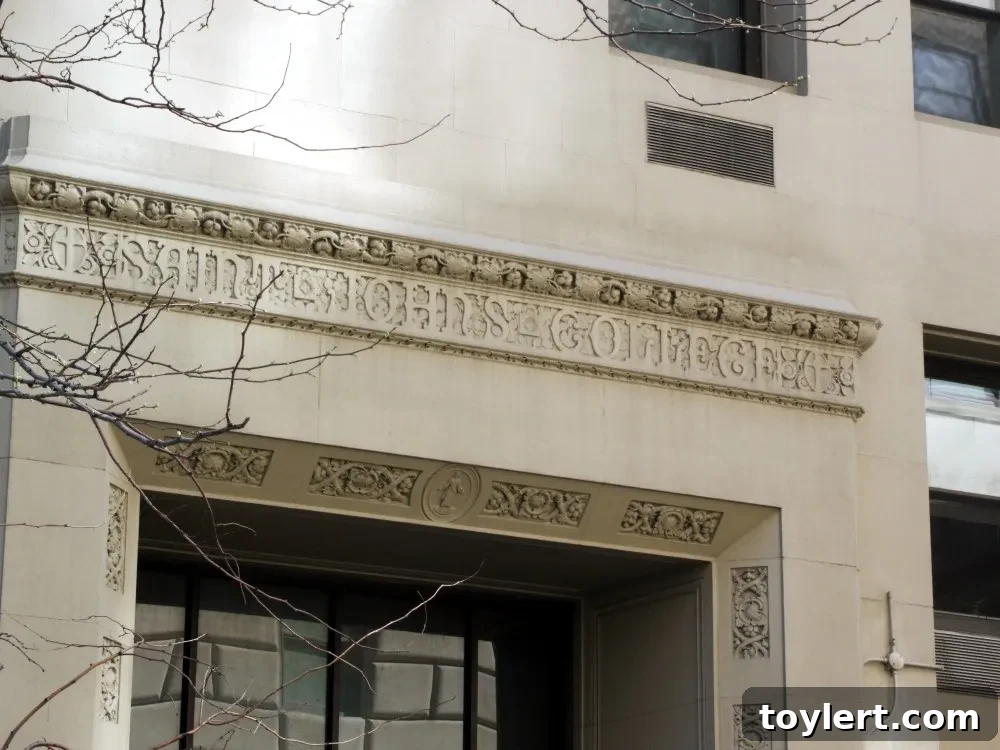
Architectural Revival: Exploring the History and Adaptive Reuse of Brooklyn’s Iconic School Buildings
Brooklyn, a borough renowned for its distinctive neighborhoods and rich cultural tapestry, also boasts an impressive architectural heritage, particularly evident in its historic school buildings. These magnificent structures, often characterized by their robust construction and ornate detailing, reflect distinct periods of urban development and educational philosophy. From the late 19th century through the early 20th century, Brooklyn experienced a population boom that necessitated a rapid expansion of its public education system. This era gave rise to a collection of school buildings that were designed not just for function, but also to inspire and endure, often serving as prominent landmarks within their respective communities.
Brooklyn’s Golden Age of School Construction
The late 1800s and early 1900s marked a golden age for public school construction in Brooklyn. As the borough transitioned from independent cities and towns into a consolidated part of Greater New York City, the demand for modern educational facilities soared. Civic leaders and urban planners recognized the importance of robust public education in fostering a productive citizenry, leading to significant investment in school infrastructure. Architects of the time were tasked with designing buildings that could accommodate large student populations while also conveying a sense of permanence and civic pride. The result was a diverse array of architectural styles, each contributing to the unique character of Brooklyn’s streetscapes.
A Foundation for Future Generations: Growth and Vision
The vision behind these early school buildings was ambitious. They were built to last, often featuring stone, brick, and terracotta craftsmanship that showcased the era’s dedication to quality construction. Beyond their sturdy exteriors, these schools were designed with progressive educational ideals in mind, featuring ample natural light, spacious classrooms, and often grand assembly halls that served as central gathering places. The strategic placement of these schools within neighborhoods ensured they were accessible to local families, further cementing their role as cornerstones of community life. This period truly laid the groundwork for the educational framework that would serve generations of Brooklynites.
Architectural Grandeur: Styles and Significance
The architectural styles employed in Brooklyn’s historic schools are a visual feast, ranging from the sturdy and imposing Romanesque Revival to the elegant and classical Beaux-Arts, and even elements of Gothic Revival. These styles were not merely decorative; they imbued the buildings with a sense of dignity and importance. Romanesque Revival, with its round arches and heavy masonry, conveyed strength and endurance. Beaux-Arts offered symmetrical designs, grand entrances, and intricate classical motifs, signaling civic pride and artistic sophistication. Many buildings also incorporated local materials and artisans, further integrating them into the fabric of Brooklyn’s identity. The careful attention to detail, from elaborate cornices to distinctive window treatments, speaks volumes about the value placed on public education during this transformative period.
The Master Architects: Crafting Brooklyn’s Educational Landscape
Behind many of Brooklyn’s most distinguished school buildings were visionary architects who left an indelible mark on the borough’s urban fabric. Two names frequently emerge when discussing this era of public school design: James W. Naughton and C.B.J. Snyder. These architects, through their distinct styles and innovative approaches, shaped the physical environment of learning for countless students and contributed significantly to Brooklyn’s architectural legacy. Their designs transcended mere functionality, creating spaces that were both practical for education and aesthetically pleasing, becoming cherished parts of their neighborhoods.
James W. Naughton: Pioneering Public School Design
James W. Naughton served as the Superintendent of Buildings for the Board of Education of the City of Brooklyn from 1879 until consolidation in 1898. During his tenure, Naughton was responsible for designing a vast number of the borough’s schools, often characterized by a distinctive Romanesque Revival style. His buildings are recognizable by their rugged, castle-like appearance, featuring deep-set windows, robust brickwork, and often asymmetrical massing. Naughton’s designs were groundbreaking for their time, focusing on fireproof construction and ample ventilation, prioritizing the safety and well-being of students. His work embodies the spirit of Brooklyn’s late 19th-century growth, providing sturdy and dignified educational environments that continue to command respect today.
C.B.J. Snyder: Innovator in Educational Architecture
Following the consolidation of New York City, Charles B.J. Snyder took over as Superintendent of School Buildings for the entire metropolis, a position he held from 1891 to 1923. Snyder continued the legacy of quality design while also pushing the boundaries of school architecture. He is renowned for pioneering the “H-plan” layout, which maximized natural light and ventilation in classrooms, a crucial innovation for urban environments. Snyder’s buildings often displayed a more eclectic mix of styles, incorporating elements of Gothic Revival, Collegiate Gothic, and even Beaux-Arts, but always with a focus on functionality and grandeur. His designs are celebrated for their impressive scale, intricate terra cotta detailing, and a civic presence that elevated public schools to the status of significant public institutions. Snyder’s influence is evident across all five boroughs, but his legacy in Brooklyn remains particularly strong, with numerous examples of his enduring architectural genius.
The Art of Adaptive Reuse: A Sustainable Second Life
While many of Naughton’s and Snyder’s creations continue to serve as active schools, a significant number have embarked on fascinating second lives through adaptive reuse. This process involves converting existing buildings for new purposes, often driven by changing demographics, shifts in educational needs, or the desire to preserve architecturally significant structures. Adaptive reuse is a sustainable practice that honors the past while catering to the demands of the present, breathing new vitality into old buildings and neighborhoods. Brooklyn, with its rich history and evolving urban landscape, has become a prime example of successful adaptive reuse, turning former classrooms into highly sought-after living and working spaces.
Why Repurpose? The Imperative for Change
The reasons behind repurposing old school buildings are multifaceted. As urban populations shift, school enrollments fluctuate, leading to underutilized or vacant educational facilities. Demolishing these large, structurally sound buildings is not only costly but also a significant loss of embodied energy and architectural heritage. Adaptive reuse offers an environmentally friendly alternative, reducing construction waste and the demand for new materials. Furthermore, many historic schools occupy prime locations within established neighborhoods, making them attractive candidates for conversion into residential, commercial, or community-focused developments. The sheer quality of their original construction—high ceilings, large windows, robust foundations—also makes them incredibly adaptable to new uses, often surpassing the build quality of modern constructions.
From Classrooms to Residences: New Chapters for Old Schools
One of the most common and successful forms of adaptive reuse for Brooklyn’s former schools is their conversion into residential buildings, particularly luxury condominiums or rental apartments. Developers are drawn to these properties for their unique character, spacious interiors, and historic charm. Classrooms, with their generous proportions and large windows, are ideally suited for transformation into loft-style apartments. Original features such as blackboards, cloakrooms, and even gymnasium floors are sometimes creatively incorporated into the new designs, adding a layer of historical authenticity that appeals to residents. These conversions often become highly desirable addresses, offering a blend of modern amenities with unparalleled historical context, creating homes unlike any other in the city.
Beyond Residential: Community and Commercial Transformations
While residential conversions are popular, many repurposed school buildings in Brooklyn also serve other vital functions. Some have been transformed into vibrant community centers, housing arts organizations, non-profits, or senior services, continuing their legacy as neighborhood hubs. Others have found new life as innovative commercial spaces, ranging from office buildings and co-working spaces to retail establishments and restaurants. The large auditoriums and gymnasiums of old schools are particularly versatile, often becoming event venues, theaters, or unique retail environments. These diverse transformations ensure that these architectural treasures continue to contribute to the social and economic fabric of Brooklyn, proving their enduring adaptability and value.
Preserving Heritage Through Innovation
The adaptive reuse of Brooklyn’s historic school buildings is a delicate balance between preservation and innovation. It requires a deep understanding of architectural history, careful planning, and often significant investment. However, the rewards are immense, both for developers and for the communities they serve. These projects not only save treasured landmarks from demolition but also inject new life into neighborhoods, offering unique living and working spaces that celebrate Brooklyn’s past while embracing its future.
Architectural Elements: Retaining Character
A key aspect of successful adaptive reuse is the thoughtful preservation and integration of original architectural elements. Developers and architects often strive to maintain the distinctive facades, intricate brickwork, and grand entrances that define these historic schools. Inside, efforts are made to retain features like original staircases, decorative moldings, and even classroom layouts where feasible. These elements not only contribute to the building’s historical integrity but also provide a strong sense of place and character that modern buildings often lack. The challenge lies in updating the infrastructure—plumbing, electrical, HVAC—to modern standards while respectfully preserving the building’s historic aesthetic.
The Economic and Environmental Benefits
Beyond the aesthetic and historical advantages, the adaptive reuse of Brooklyn’s school buildings offers significant economic and environmental benefits. Economically, these projects can revitalize declining areas, attract new residents and businesses, and increase property values. They also provide local construction jobs and support related industries. Environmentally, adaptive reuse is a cornerstone of sustainable development. It significantly reduces the carbon footprint associated with new construction by reusing existing structures, minimizing demolition waste, and conserving energy and resources that would otherwise be expended on new materials. This approach aligns perfectly with modern sustainability goals, making repurposed schools not just historical gems but also models for future urban development.
From the visionary designs of architects like James W. Naughton and C.B.J. Snyder to their remarkable transformations into modern spaces, Brooklyn’s school buildings tell a compelling story of resilience, adaptation, and enduring beauty. They stand as powerful reminders of the borough’s rich educational history and its ongoing commitment to preserving its architectural heritage. As Brooklyn continues to evolve, these repurposed structures will undoubtedly remain cherished landmarks, offering a unique blend of past and present, inspiring new generations with their stories of transformation and architectural splendor.