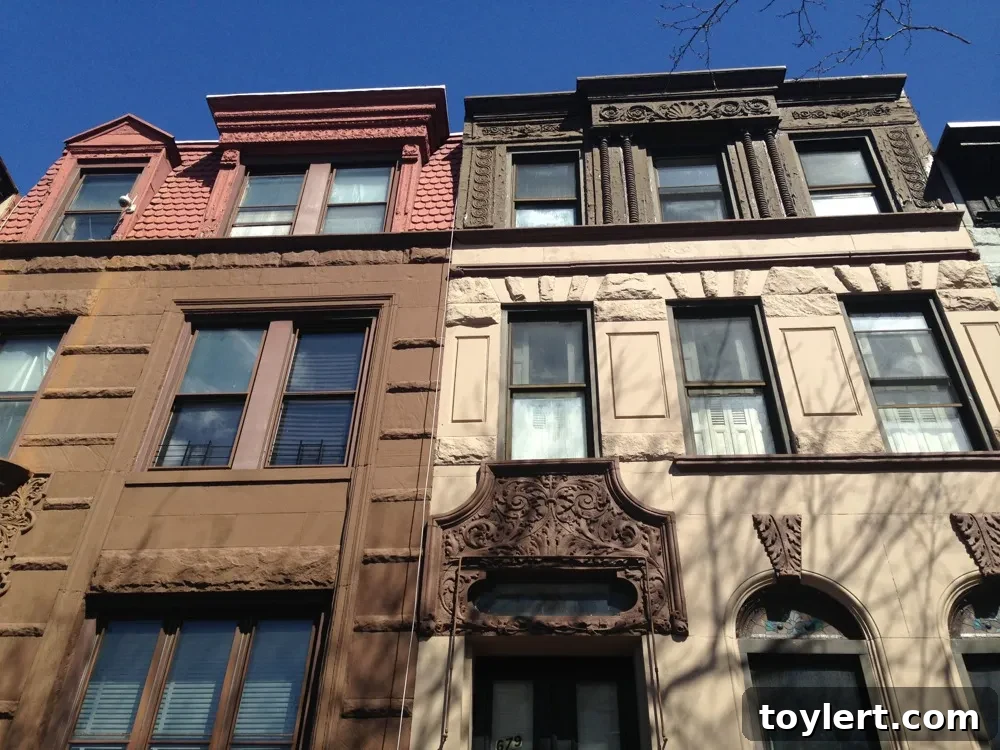
Houses on Macon Street in Bed-Stuy stand as a testament to Brooklyn’s rich architectural history and vibrant community life, an area constantly balancing tradition with ongoing transformation.
Dynamic Brooklyn: A Mosaic of Cultures, Development, and Enduring Heritage
Brooklyn, a borough renowned for its relentless evolution, is a vibrant tapestry woven with diverse cultures, innovative urban developments, and a deep respect for its historical roots. From its tree-lined brownstone streets to its bustling waterfronts, Brooklyn encapsulates the dynamic spirit of New York City, undergoing continuous shifts that reshape its demographic landscape, architectural profile, and social fabric. This article delves into the multi-faceted changes defining Brooklyn, exploring how new populations, ambitious development projects, and preservation efforts collectively contribute to its unique character.
Shifting Demographics and Brooklyn’s Cultural Tapestry
One of the most profound transformations sweeping through Brooklyn is the continuous evolution of its demographic makeup. The borough has long been a beacon for immigrants from around the world, and this trend persists, bringing new vibrancy and cultural richness to its neighborhoods. A notable shift, highlighted in reports such as the influx of Chinese immigrants reshaping large parts of Brooklyn, illustrates this phenomenon. Areas like Sunset Park, Bensonhurst, and Sheepshead Bay have seen a significant rise in Chinese populations, leading to the emergence of “Little Chinatowns” that complement the established enclaves in Manhattan and Flushing. These new communities bring with them a wealth of culinary traditions, businesses, and cultural practices, further diversifying the borough’s already rich tapestry.
This demographic change isn’t exclusive to any single group. Brooklyn remains a melting pot, with communities from across the globe contributing to its distinct identity. This constant influx of diverse populations enriches the borough culturally and economically, fostering a unique blend of traditions and modern urban living. The integration of these new communities often involves the adaptation of existing infrastructure and the creation of new social networks, reflecting Brooklyn’s remarkable capacity for assimilation and reinvention.
The Urban Landscape Transformed: Real Estate and Infrastructure Boom
Brooklyn’s skyline and streetscapes are in a perpetual state of flux, driven by an ambitious wave of residential and commercial developments. The demand for housing, coupled with Brooklyn’s growing appeal, has fueled a construction boom that is reshaping numerous neighborhoods. As observed in reports discussing must-know residential developments hitting NYC, Brooklyn is at the forefront of this growth. From towering high-rises along the waterfront to meticulously designed apartment complexes further inland, these projects aim to meet the housing needs of a growing population.
Neighborhoods like Prospect Lefferts Gardens, once considered quiet enclaves, are now witnessing significant investment and expansion. The filing of permits for new constructions such as 1930 Bedford Avenue signals a broader trend of revitalization and density increase. While these developments bring much-needed housing stock and economic vitality, they also spark important conversations about gentrification, affordability, and the preservation of neighborhood character. Balancing the need for growth with the desire to maintain community identity and ensure equitable access to housing remains a critical challenge for urban planners and residents alike.
Infrastructure development plays an equally crucial role in Brooklyn’s ongoing transformation. Public transportation, a lifeline for millions, constantly adapts to meet the demands of an expanding populace. The L Train, for instance, serves as a vital artery connecting Manhattan to diverse Brooklyn neighborhoods, including Canarsie. The narrative of escaping “Hipsterville” on the L Train to Canarsie highlights the shifting perceptions and demographics along this crucial transit corridor, showcasing how access to transportation can influence residential patterns and the very identity of a neighborhood.
Safeguarding Brooklyn’s Rich History: The Landmarks Law
Amidst the whirlwind of new development and demographic shifts, Brooklyn also cherishes and actively works to preserve its rich historical heritage. The NYC Landmarks Law, celebrating its 50th anniversary as highlighted by an exhibition emphasizing its impact, is a cornerstone of this preservation effort. This landmark legislation has played an instrumental role in protecting countless historic buildings, districts, and sites across the five boroughs, including many iconic structures in Brooklyn.
Historic neighborhoods like Bedford-Stuyvesant, home to the elegant brownstones on Macon Street, benefit immensely from these protections. The Landmarks Law ensures that the architectural integrity and historical significance of such areas are maintained for future generations. It provides a framework for balancing modernization with preservation, ensuring that Brooklyn’s unique charm, characterized by its historic streetscapes and diverse architectural styles, is not lost in the march of progress. This commitment to heritage is crucial, as it provides a tangible link to the past, reminding residents of the borough’s long and storied journey.
Public Spaces and the Fabric of Community Life
Brooklyn’s public spaces are integral to its community life, offering residents vital areas for recreation, relaxation, and social interaction. Brooklyn Bridge Park, a world-class waterfront park offering stunning views of the Manhattan skyline, epitomizes the borough’s dedication to creating accessible and dynamic urban green spaces. Despite its serene beauty, even such vibrant public areas can face unexpected challenges, as evidenced by earlier reports of an evacuation at Pier 2 following reports of gunfire. Such incidents, though rare, underscore the importance of ongoing efforts to ensure public safety and foster a welcoming environment in all of Brooklyn’s shared spaces.
Beyond the grand scale of Brooklyn Bridge Park, countless smaller parks, community gardens, and waterfront promenades contribute to the borough’s livability. These spaces are crucial for fostering a sense of community, providing venues for cultural events, fitness activities, and simply offering a respite from the urban hustle. The continued investment in and thoughtful management of these public assets are vital for maintaining Brooklyn’s appeal as a place to live, work, and thrive.
Brooklyn’s Enduring Evolution: A Forward Look
Brooklyn’s journey is one of continuous evolution, a dynamic interplay between tradition and innovation, local heritage and global influences. From the shifting demographics that paint new cultural landscapes to the ambitious real estate projects reshaping its horizons, and from the unwavering commitment to historical preservation to the vital role of its public spaces, Brooklyn remains a borough in constant motion. It is a place where history is honored, diversity is celebrated, and the future is built with an eye towards progress and community well-being. The story of Brooklyn is an ongoing narrative of transformation, reflecting the enduring spirit and adaptability of one of the world’s most captivating urban centers.