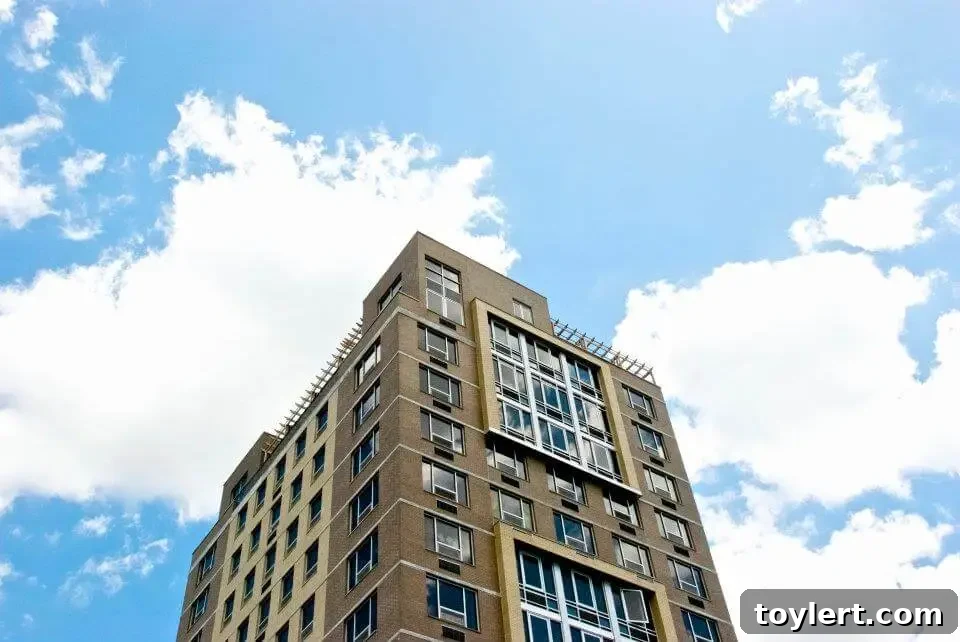
Bushwick’s Shifting Skyline: The Resurgence of 358 Grove Street Condos
Bushwick, Brooklyn, has long been a canvas of dynamic urban transformation, evolving from an industrial hub into one of New York City’s most sought-after neighborhoods. Amidst this vibrant change, certain landmarks stand out as crucial indicators of its journey. One such iconic symbol, the condo development at 358 Grove Street, is once again at the forefront of the conversation, reflecting a new chapter in Bushwick’s ever-changing real estate narrative. What was once a struggling venture in the wake of a financial crisis is now poised for a significant market resurgence, as its original sponsor strategically divests unsold stakes, signaling robust confidence in Bushwick’s appreciated property values.
This development isn’t just about a building; it’s a microcosm of Bushwick’s broader story – a tale of resilience, gentrification, and remarkable market recovery. The initial struggles of 358 Grove Street underscored the vulnerabilities of emerging markets during economic downturns, yet its current trajectory highlights the enduring appeal and substantial growth of Brooklyn’s real estate landscape. This strategic move by the sponsor marks a pivotal moment, affirming Bushwick’s transition into a mature and highly desirable investment zone, attracting renewed interest from both homebuyers and investors eager to capitalize on its vibrant future.
The Genesis of 358 Grove Street: A Pioneer in Bushwick’s Gentrification
Completed in 2007, 358 Grove Street emerged as one of the pioneering condominium developments in Bushwick, a neighborhood then on the cusp of significant gentrification. Standing proudly at 13 stories and housing 59 distinct units, it was envisioned as a beacon of modern living, designed to attract a new wave of residents seeking contemporary amenities and access to Manhattan without the exorbitant costs of more established Brooklyn enclaves. Its very presence was a powerful statement, signaling the irreversible shift in Bushwick’s demographic and economic fabric, moving away from its industrial roots towards a more residential and culturally rich future.
However, the timing of its launch coincided with the precipitous onset of the 2008 global financial crisis. This unforeseen economic downturn dealt a severe blow to the burgeoning real estate market, particularly impacting new developments in transforming neighborhoods like Bushwick. Despite its architectural ambition and prime location, 358 Grove Street found itself struggling against strong economic headwinds. The initial optimism surrounding its units quickly faded as buyer confidence plummeted and lending became increasingly restrictive, leading to a challenging sales environment that threatened to undermine its foundational purpose as a premier condo offering.
Property records from that period paint a stark picture: only 22 of the 59 units were successfully sold during the initial sales phase. The vast majority, a substantial 37 units, remained unsold. In a strategic pivot to mitigate losses and sustain the development, the sponsor made the pragmatic decision to retain these unsold units and convert them into rental apartments. This move allowed the building to generate income and maintain occupancy, even as the condo market languished. It transformed 358 Grove Street into a hybrid property, a blend of owner-occupied condos and rental units, an arrangement that reflected the adaptive strategies required to navigate a volatile economic landscape and preserve the asset’s long-term value.
Bushwick’s Evolution: From Industrial Hub to Vibrant Community
To truly understand the significance of 358 Grove Street, one must appreciate the remarkable evolution of Bushwick itself. For decades, Bushwick was primarily known as an industrial and working-class neighborhood, characterized by its factories, warehouses, and vibrant immigrant communities. Its rich history is embedded in its diverse cultural tapestry and its role as a manufacturing powerhouse for Brooklyn. However, economic shifts and demographic changes gradually began to reshape its identity, setting the stage for an unprecedented period of urban transformation that would redefine its character and appeal.
The early 2000s marked the beginning of a profound shift, largely catalyzed by an influx of artists and creative professionals seeking affordable living and studio spaces. Driven by the rising costs in neighboring Williamsburg and other parts of Brooklyn, these pioneers discovered Bushwick’s industrial loft spaces and accessible transportation links to Manhattan. This initial wave of creative residents brought with them a new energy, fostering a burgeoning arts scene with galleries, performance spaces, and a distinct cultural vibrancy that quickly put Bushwick on the map. The affordability factor, combined with a sense of raw, authentic urbanity, made it an irresistible magnet for those looking to carve out a unique space in New York City.
This cultural renaissance was soon followed by significant investment in local infrastructure and amenities. New cafes, restaurants, bars, and boutiques began to sprout up, catering to the growing demand from a diversifying population. The improved public transit options, particularly the L and M subway lines, further enhanced its connectivity, making it an attractive location for commuters. However, this rapid transformation was not without its complexities. The term “gentrification” became closely associated with Bushwick’s narrative, sparking discussions about rising rents, displacement concerns for long-time residents, and the delicate balance between progress and preservation. The neighborhood’s evolution became a prominent case study for urban planners and sociologists, reflecting both the triumphs and challenges inherent in rapid urban redevelopment.
The Aftermath of the Financial Crisis and Bushwick’s Resilience
The 2008 global financial crisis sent shockwaves across the world, and the New York City real estate market, particularly emerging neighborhoods like Bushwick, felt its profound impact. The sudden tightening of credit, widespread job losses, and a deep-seated uncertainty about the future brought the once-booming market to a grinding halt. Developers found themselves with unsold inventory, buyers were hesitant or unable to secure mortgages, and property values experienced a significant dip. For neighborhoods that were just beginning their ascent, like Bushwick, the crisis represented a major setback, temporarily stalling much of the development and investment momentum that had been building.
For buildings such as 358 Grove Street, which had just launched its sales campaign, the crisis presented an existential threat. The aspiration of selling all 59 units quickly evaporated, forcing developers to adopt contingency plans, such as converting condos to rentals. This period of market stagnation tested the resilience of both developers and residents. However, Bushwick’s inherent qualities – its accessible location, existing community infrastructure, and the continued presence of its vibrant artistic and cultural scene – proved to be strong foundational assets that prevented a complete collapse. Unlike some more speculative markets, Bushwick’s transformation was also driven by organic demand for community and affordability, which helped it weather the storm.
As the broader economy slowly began to recover, so too did Bushwick’s real estate market, demonstrating remarkable resilience. By the mid-2010s, with renewed confidence in the economy and continued demand for Brooklyn living, Bushwick experienced an explosive resurgence. Property values not only rebounded but soared past pre-crisis levels. This robust recovery provided invaluable lessons for developers and investors: while market timing is crucial, underlying demand and intrinsic neighborhood value are powerful determinants of long-term success. The ability of Bushwick to not only recover but thrive in the post-crisis era solidified its reputation as a sound investment location, capable of weathering economic turbulence and delivering substantial returns.
Capitalizing on Growth: The Sponsor’s Strategic Move
Fast forward to today, and the decision by the sponsor of 358 Grove Street to sell its remaining unsold stakes marks a full-circle moment for the development and a powerful testament to Bushwick’s impressive market appreciation. This strategic move is a clear indication that the financial crisis is long behind us, and the neighborhood’s real estate values have matured significantly. The units that were once reluctantly held back and rented out are now being offered to a market that is fundamentally different and far more robust than it was in 2007. This move is driven by the undeniable opportunity to capitalize on the substantial increase in property values, turning a past necessity into a highly lucrative venture.
The financial motivation behind this decision is clear: Bushwick property values have experienced exponential growth over the last decade, driven by sustained demand, limited inventory, and the neighborhood’s continued cultural and economic development. What might have been a break-even or even a loss-making proposition during the lean years has transformed into a highly profitable investment. By liquidating these remaining assets, the sponsor aims to realize the full capital appreciation accumulated over years of holding and managing the rental units, effectively cashing in on Bushwick’s undeniable boom. This isn’t merely a sale; it’s a strategic exit designed to maximize returns from a well-timed long-term hold.
For the current tenants of these formerly rented units, this transition brings both opportunities and uncertainties. While some may have the chance to purchase their units, potentially at market rates that reflect the current boom, others might face the prospect of new landlords or the necessity to relocate if the new owners decide to occupy the units. For prospective buyers, this release of inventory represents a rare opportunity to acquire units in a well-established and centrally located Bushwick condo building that has a proven track record. It adds valuable supply to a market where demand consistently outstrips availability, further solidifying 358 Grove Street’s place as a desirable address in a highly competitive Brooklyn real estate landscape.
What This Means for the Future of Bushwick Real Estate
The sale of unsold stakes at 358 Grove Street is more than just a localized transaction; it carries broader implications for the future trajectory of Bushwick’s real estate market. This move sends a powerful signal of confidence to other developers, investors, and prospective homeowners that Bushwick is not just a passing trend but a mature, stable, and highly profitable investment zone. It underscores the neighborhood’s enduring appeal and its capacity for sustained value appreciation, even after periods of intense growth. Such strategic divestments by original sponsors often indicate a belief in the market’s current peak strength, encouraging others to enter or expand their presence.
Looking ahead, this transaction suggests a continued trend of development and revitalization within Bushwick. With property values firmly established and demand remaining high, we can anticipate more sophisticated projects and further investment in amenities and infrastructure. This will likely lead to a further densification of the neighborhood, with new constructions and conversions adding to the housing stock. While this continuous development is a sign of economic health, it also intensifies ongoing discussions about affordability, preserving the neighborhood’s unique character, and ensuring inclusive growth for all residents. The balance between catering to new demand and protecting existing communities will remain a critical challenge.
The ongoing transformation implies that Bushwick will likely continue to attract a diverse mix of residents, including families, young professionals, and creative individuals, drawn by its vibrant culture, improving quality of life, and strategic location. Property values are expected to maintain an upward trajectory, albeit potentially at a more moderated pace compared to the explosive growth of previous years. This maturity in the market means that while rapid gains might become less common, steady appreciation and long-term stability will characterize Bushwick real estate. For both seasoned investors and first-time homebuyers, understanding these nuanced trends will be crucial for making informed decisions in this dynamic Brooklyn neighborhood.
Investment Potential and Market Insights in Bushwick
Bushwick continues to stand out as a prime location for real estate investment in New York City, offering a compelling blend of cultural vibrancy, strategic location, and robust market performance. The story of 358 Grove Street is a testament to the significant returns possible for those who invest early or hold through market cycles. Several key factors contribute to Bushwick’s sustained attractiveness, making it a compelling option for a wide array of buyers and investors. Understanding these drivers is essential for anyone looking to enter this competitive market.
Key factors driving demand and investment in Bushwick include:
- Strategic Location and Accessibility: Excellent subway connections (L and M lines) provide quick and easy access to Manhattan, making it highly desirable for commuters. Its proximity to other popular Brooklyn neighborhoods like Williamsburg and Ridgewood also enhances its appeal.
- Vibrant Arts and Culture Scene: Bushwick’s reputation as a creative hub continues to draw artists, musicians, and young professionals. The proliferation of street art, independent galleries, music venues, and performance spaces creates a unique and dynamic living environment.
- Diverse Culinary and Retail Landscape: The neighborhood boasts an ever-growing array of restaurants, cafes, bars, and boutiques, catering to diverse tastes and preferences. This rich amenity base significantly enhances the quality of life for residents and attracts new visitors.
- Strong Community Identity: Despite rapid changes, Bushwick retains a strong sense of community. Local initiatives, community gardens, and neighborhood events foster a welcoming atmosphere, which is a major draw for individuals and families seeking a genuine urban experience.
- Continued Development and Infrastructure Improvement: Ongoing investment in residential and commercial properties, along with public infrastructure upgrades, ensures the neighborhood’s continued growth and modernization, promising future value appreciation.
For prospective buyers and investors, Bushwick offers diverse opportunities, from entry-level condos to multi-family properties and commercial spaces. While prices have risen substantially, they often remain more accessible than in some of Brooklyn’s other prime neighborhoods, offering room for further appreciation. Due diligence is paramount, including a thorough understanding of current market dynamics, future development plans, and property-specific details. Working with experienced local real estate professionals can provide invaluable insights and guide successful investment strategies in this dynamic and rewarding market.
Conclusion: 358 Grove Street – A Microcosm of Bushwick’s Success
The journey of 358 Grove Street, from its inception as a symbol of early gentrification to its struggles during the financial crisis and its current resurgence, perfectly encapsulates the broader narrative of Bushwick itself. This single development reflects the neighborhood’s profound transformation, its resilience in the face of economic adversity, and its ultimate triumph as a highly sought-after destination in the competitive New York City real estate market. The sponsor’s decision to sell its remaining stakes is not merely a business transaction; it is a powerful declaration of Bushwick’s maturity and its undeniable position as a prime investment opportunity.
As Bushwick continues to evolve, properties like 358 Grove Street serve as important benchmarks, illustrating how urban landscapes adapt, recover, and thrive. The story is a testament to the enduring appeal of Brooklyn and the powerful forces of urban renewal. For those looking to understand the pulse of New York City’s real estate, Bushwick remains a fascinating and highly dynamic case study, with 358 Grove Street continuing to play a pivotal role in its unfolding success story, symbolizing both the challenges overcome and the prosperity achieved.