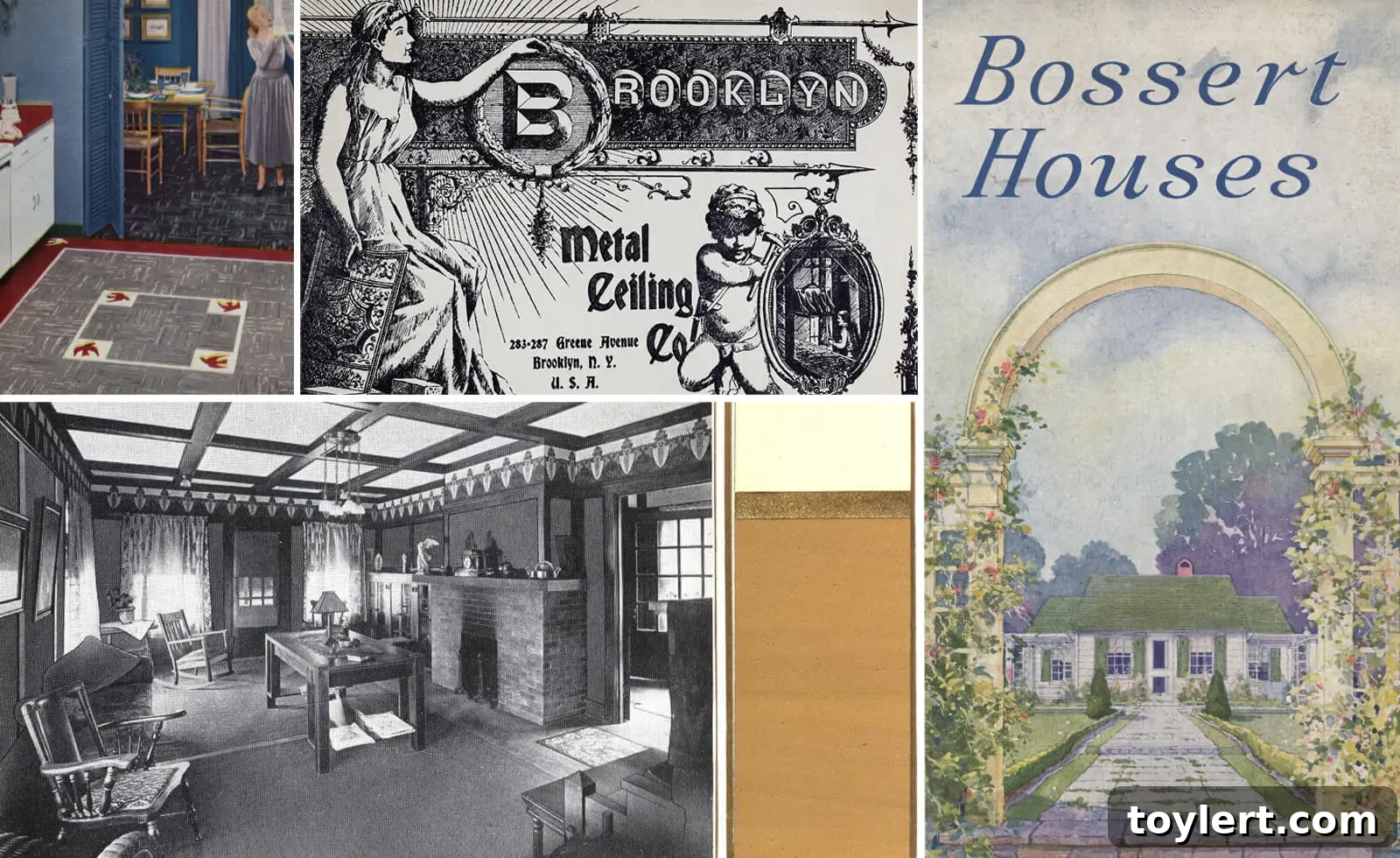
For anyone passionate about historic homes, the internet offers a vast ocean of information. Yet, when the quest is to uncover the precise fixtures, finishes, and design sensibilities popular during a specific historical period, few resources rival the sheer excitement and invaluable insight found within vintage trade catalogs. These beautifully preserved documents are more than just old advertisements; they are direct windows into the past, offering an authentic glimpse into the materials, technologies, and aesthetic preferences that shaped our built environment.
Imagine being able to pick an era and instantaneously discover the exact linoleum patterns that graced domestic floors, the precise paint colors trending in parlors and bedrooms, or even whether a particular doorknob design aligns perfectly with the architectural style of your treasured historic house. Vintage trade catalogs make this historical detective work not only possible but also deeply rewarding, providing a level of detail and authenticity that general historical texts or modern interpretations simply cannot match.
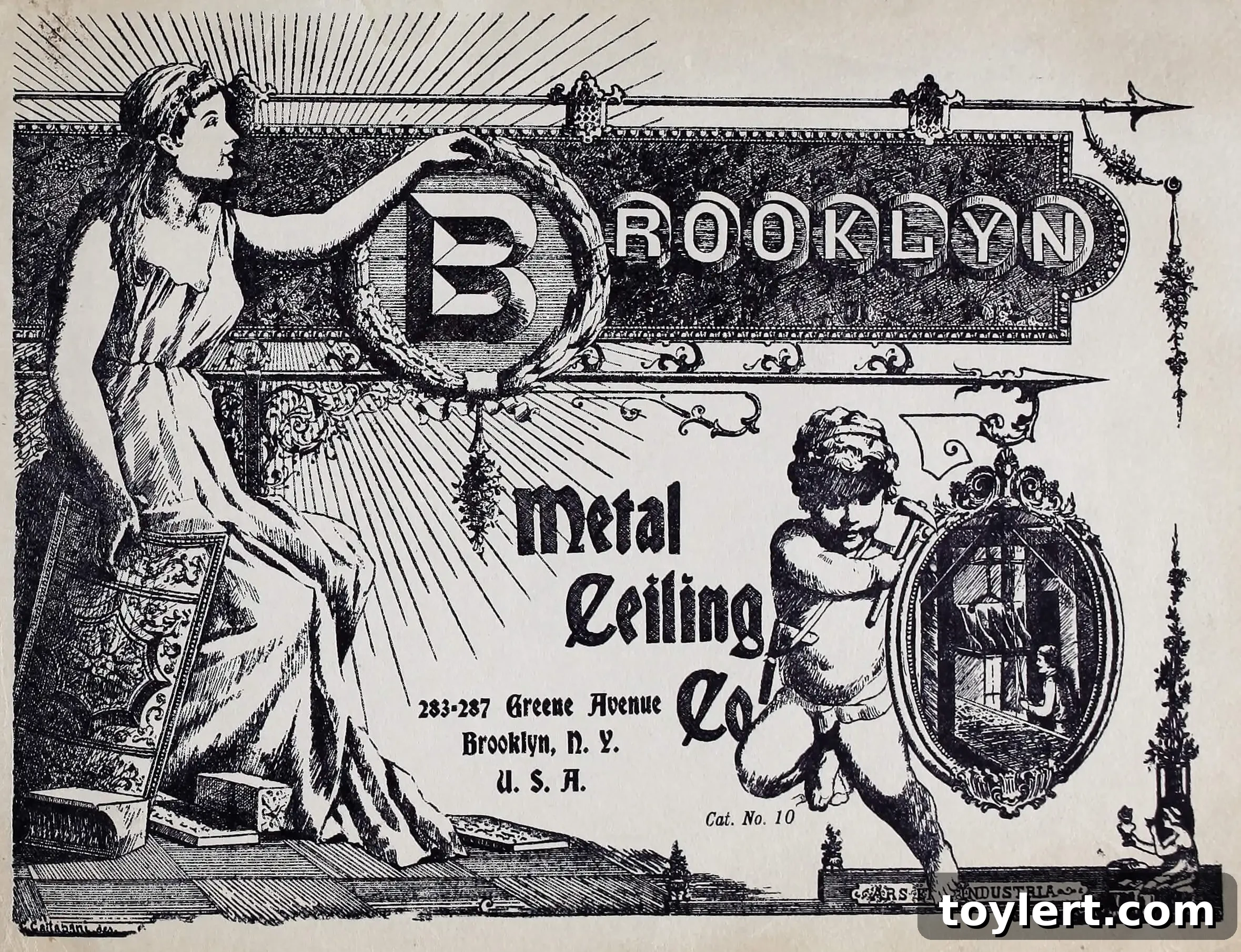
Unlocking Architectural History: The Indispensable Value of Vintage Trade Catalogs for Historic House Preservation
The allure of a historic home lies not just in its age or its grand facade, but in the stories it tells and the authentic details it preserves. For architects, preservationists, renovators, and enthusiasts, the challenge often lies in ensuring that any restoration or renovation work remains true to the original period and design intent. Modern interpretations, while often beautiful, can inadvertently introduce anachronisms that detract from a property’s historical integrity. This is where vintage trade catalogs become an indispensable tool.
These catalogs, published by manufacturers and suppliers, served as the primary marketing materials for the building industry in bygone eras. They showcase everything from fundamental construction materials to decorative finishes, plumbing fixtures, heating systems, and even garden elements. By studying these original documents, researchers can gain an unparalleled understanding of what was available, popular, and technically feasible at any given point in time.
Why Vintage Trade Catalogs are Essential for Authentic Restoration
The value of these historical documents extends far beyond mere aesthetic curiosity. They are crucial for several reasons:
- Pinpointing Period-Accurate Finishes and Fixtures: General knowledge might suggest “Victorian” or “Art Deco” styles, but catalogs provide the specific patterns, models, and colorways that were actually in production. This allows for precise replication or sourcing of period-appropriate elements, from a particular style of doorknob to the exact configuration of a clawfoot tub.
- Revealing Original Intent and Design Philosophy: Catalogs often include detailed descriptions, specifications, and even suggested applications for products. This offers insight into how manufacturers envisioned their products being used and helps researchers understand the original design philosophy behind various architectural components.
- Understanding Material Availability and Construction Methods: Beyond aesthetics, trade catalogs frequently detail the types of materials used (e.g., specific wood species, metal alloys, glass types) and sometimes even provide diagrams or instructions related to installation. This information is vital for structural integrity and material compatibility in restoration projects.
- Avoiding Anachronisms: One of the biggest challenges in historic preservation is avoiding the accidental introduction of elements that did not exist or were not popular during the house’s primary period of construction. Catalogs act as a reliable filter, ensuring that choices made during restoration are historically defensible and authentic.
- Documenting Technological Evolution: Tracking the progression of plumbing, heating, lighting, and building materials through successive catalog editions offers a fascinating timeline of technological advancements and changing societal needs.
What You Can Discover Within Their Pages
The range of items detailed in vintage trade catalogs is astonishingly comprehensive. Here’s a glimpse into the treasure trove of information they offer:
Interior Details:
- Hardware: Beyond simple doorknobs, you’ll find an array of hinges, latches, cupboard catches, window sash locks, bell pulls, and decorative escutcheons, often in various metals like brass, bronze, iron, and nickel.
- Lighting Fixtures: Catalogs illustrate the transition from gas lighting to electric, showcasing ornate chandeliers, wall sconces, ceiling fixtures, and table lamps in a myriad of styles, from simple utilitarian designs to highly decorative pieces.
- Plumbing Fixtures: Discover the evolution of bathtubs (clawfoot, built-in), sinks (pedestal, wall-mounted, kitchen sinks with integral drainboards), toilets (high-tank, low-tank, washdown, siphonic), and an assortment of faucets and showerheads, often with detailed cross-sections.
- Flooring: Patterns for linoleum, parquet wood designs, ceramic and encaustic tile patterns, and even illustrations of carpet styles and area rugs reveal the floor coverings of choice for different rooms and budgets.
- Wall Coverings and Paint: While actual paint swatches are rare due to fading, catalogs often describe popular paint colors (e.g., “terra cotta,” “sage green,” “colonial yellow”) and showcase an incredible variety of wallpaper patterns, borders, and friezes, offering invaluable clues to interior decor.
- Millwork and Woodwork: Detailed illustrations of baseboards, crown moldings, window and door casings, stair newels, balusters, and railing designs provide exact profiles for replication or repair.
- Heating Systems: From ornate cast-iron radiators and register grilles to descriptions of furnaces and boilers, these catalogs document the methods used to keep homes warm.
Exterior Elements:
- Roofing Materials: Different types of slate, tile, and early asphalt shingles, along with flashing and gutter details.
- Siding and Masonry: Patterns for wood siding (clapboard, shingle), brick types and bonding patterns, stone details, and early stucco applications.
- Windows and Doors: Styles of sash windows, casement windows, and exterior doors, including their glass configurations, hardware, and decorative panels.
- Decorative Trim: Cornices, brackets, gables, and other ornamental elements that define the architectural style of a house.
- Porch Components: Designs for columns, balustrades, railings, and decorative spandrels that adorned entrances and verandas.
The Digital Gateway: Exploring the Building Technology Heritage Library
While vintage trade catalogs were once rare and difficult to access, often tucked away in specialized archives, the digital age has democratized their availability. A truly invaluable resource for anyone delving into architectural history is the Building Technology Heritage Library (BTHL).
This monumental project, an initiative of the Association for Preservation Technology, has made an astonishing number of these historical volumes accessible to a global audience. Hosted on Archive.org, the BTHL is a comprehensive collection of pre-1964 architectural volumes primarily from the United States and Canada. Its focus is precisely on trade catalogs, but it also includes house plans and essential building guides.
The online collection boasts an impressive repository of more than 9,000 volumes, with the oldest dating back to 1784. This vast digital library empowers researchers, preservationists, homeowners, and students to explore the nuances of historical building practices, materials, and designs from the comfort of their own homes. The sheer breadth of the collection means that almost any detail, no matter how obscure, from the turn of the century or the mid-20th century, can potentially be uncovered within its digital pages.
Navigating the BTHL on Archive.org involves using keywords relevant to your search – a specific manufacturer, a type of fixture (e.g., “toilet,” “radiator”), a material (“linoleum,” “pressed metal ceiling”), or a particular year or architectural style. The advanced search features on Archive.org allow for filtering by date, creator, and collection, making the daunting volume of information manageable.
The Research Journey: How to Utilize These Resources Effectively
Embarking on a research journey with vintage trade catalogs is an exciting process. Here are some tips for maximizing your discoveries:
- Start with Your House’s Era: Begin by precisely dating your historic home. This will narrow down the period of catalogs you need to focus on.
- Look for Local or Regional Manufacturers: While national brands were common, many smaller, regional manufacturers served local markets. If possible, research local building suppliers or architects from your home’s original period.
- Cross-Reference: Don’t rely on a single source. Cross-reference information found in trade catalogs with other historical documents such as building permits, original blueprints, old photographs, local directories, and newspapers.
- Understand the Context: Remember that catalogs presented the “ideal” or available products. Actual installations might have varied due to budget, local availability, or builder preference.
- Embrace the Serendipity: Sometimes the most fascinating discoveries come from browsing. Don’t be afraid to explore catalogs outside your immediate search parameters; you might stumble upon inspiration or vital contextual information.
In conclusion, for those dedicated to honoring the legacy of historic architecture, vintage trade catalogs are more than just dusty old books; they are vibrant historical records. They provide the precise details necessary for authentic restoration, offering an unparalleled level of insight into the fixtures, finishes, and building technologies of the past. Thanks to invaluable digital archives like the Building Technology Heritage Library, these treasures of architectural history are now readily accessible, empowering a new generation of preservationists to accurately and lovingly restore our built heritage for future generations.