Navigating the Post-Pandemic Economy: Challenges and the Path to Recovery
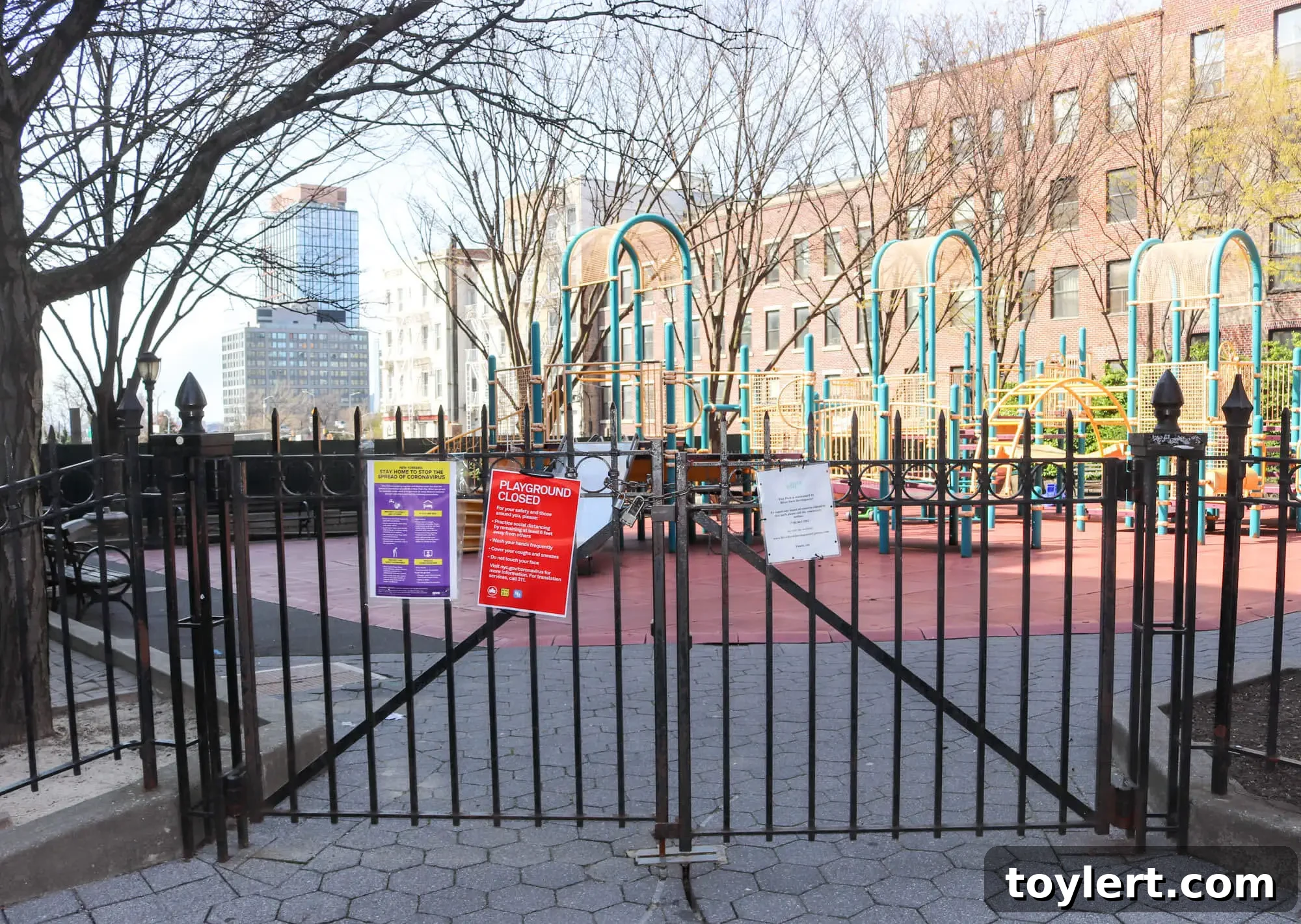
The unprecedented global health crisis of COVID-19 dramatically reshaped societies and economies worldwide, plunging many into a state of uncertainty. What began as a public health emergency quickly evolved into a profound economic disruption, forcing governments, businesses, and individuals to adapt at an astonishing pace. In cities like New York, the initial weeks of “sheltering in place” marked a stark shift, with urban life grinding to a halt and daily routines completely redefined. The closure of schools necessitated a rapid transition to distance learning, a reality that continued for countless families through the academic year, underscoring the immediate and far-reaching societal adjustments demanded by the pandemic.
The Immediate Shock: Widespread Disruption and Economic Contraction
The imperative of social distancing, while crucial for “flattening the curve” and safeguarding public health, triggered an economic fallout of staggering proportions. Businesses deemed non-essential were forced to close their doors, leading to an immediate and sharp contraction in economic activity. The leisure, hospitality, retail, and travel sectors were particularly hard-hit, experiencing a near-total cessation of demand. This domino effect swiftly translated into massive unemployment and underemployment across various demographics.
A report from Data for Progress painted a grim picture of the immediate impact, revealing that a significant percentage of individuals under the age of 45 in the U.S.—specifically 52 percent—experienced direct adverse effects on their employment. This included outright job losses, furloughs, or substantial reductions in hours and pay. For many, these changes weren’t just abstract statistics; they represented a fundamental threat to their financial stability.
The Human Cost: Financial Precarity and Rising Bankruptcies
The economic shockwave reverberated deeply into households, exposing vulnerabilities and exacerbating existing inequalities. Of those affected by job or income loss, a troubling 41 percent reported an inability to cover basic living expenses such as housing and food. This widespread financial precarity highlighted the fragility of many households’ safety nets and the critical importance of employment income for daily survival. The sudden disappearance of regular paychecks meant difficult choices for millions, from delaying rent and mortgage payments to cutting back on essential groceries.
Experts and financial analysts quickly began to forecast the long-term consequences of such widespread economic distress. Bloomberg reported predictions of a “record” number of bankruptcies being filed in the subsequent year. This projection encompassed not only individual bankruptcies resulting from personal financial collapse but also a significant increase in business bankruptcies, particularly among small and medium-sized enterprises (SMEs) that lacked the reserves to withstand prolonged closures and diminished revenue. The threat of widespread bankruptcies presented a serious challenge to the overall stability of the financial system and the fabric of local economies.
The Complex Path to Reopening: Balancing Health and Economy
As the initial crisis phase began to stabilize in some regions, attention invariably turned to the question of when and how to reopen the economy. This decision was fraught with complexity, pitting public health concerns against the urgent need to restart economic activity and alleviate financial suffering. Initial timelines varied widely, with some political leaders, such as President Trump, suggesting partial reopenings as early as May, while public health experts and local authorities often advocated for a more cautious and data-driven approach, predicting longer recovery periods.
The experience of countries like China, which were among the first to grapple with the pandemic, offered some insights. Based on their trajectory, some analysts predicted that a limited reopening in other parts of the world might become feasible as early as July, provided certain critical conditions were met. These conditions typically centered on the availability of widespread, rapid testing capabilities and robust monitoring systems to quickly identify and isolate new cases, thus preventing secondary outbreaks.
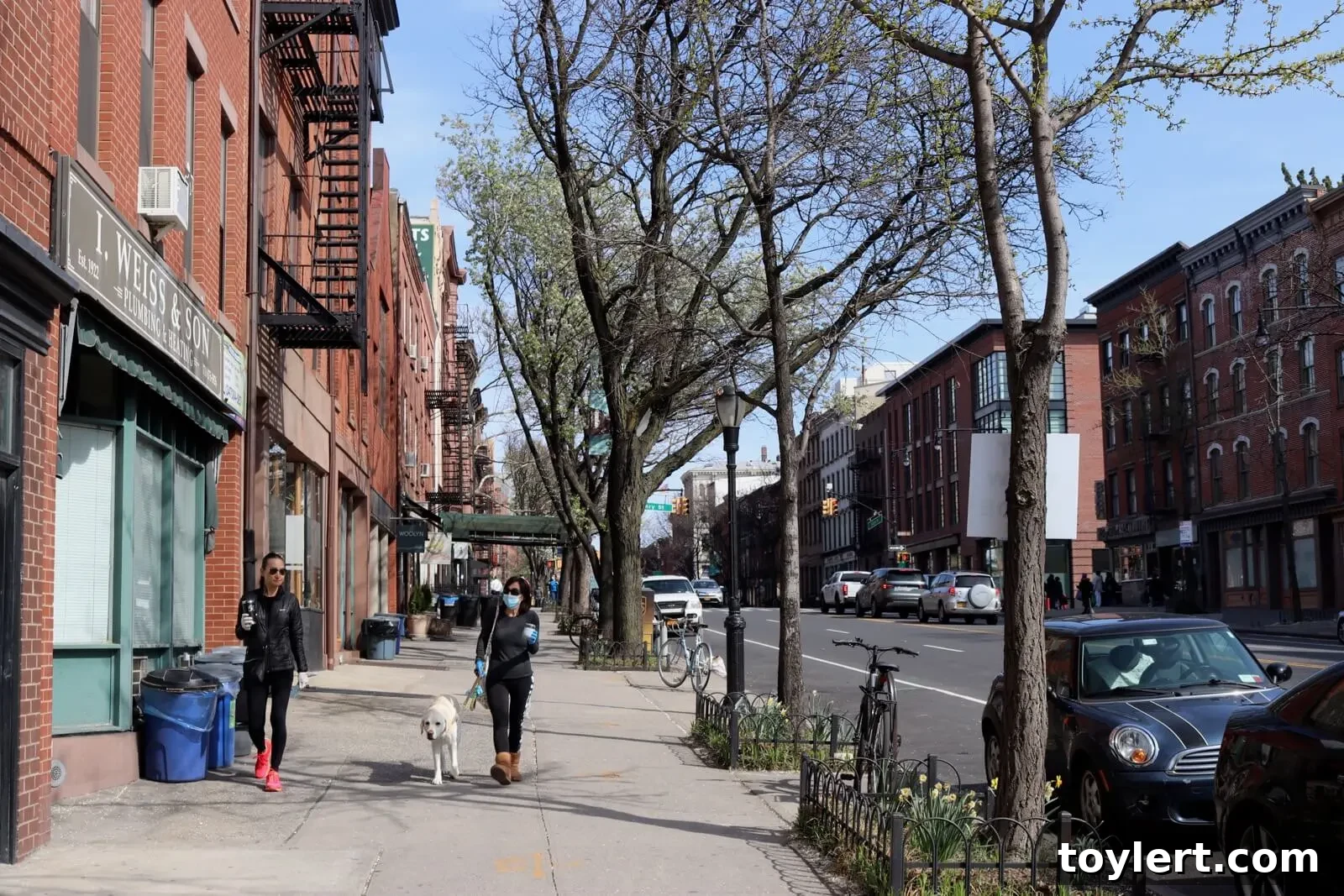
Even with a reopening, it was widely understood that a return to pre-pandemic normalcy was unlikely in the short to medium term. The concept of a “new normal” emerged, characterized by ongoing social distancing measures. This included continued recommendations for mask-wearing in public spaces, modifications to business operations—such as placing diners farther apart in restaurants or implementing capacity limits in retail stores—and a general heightened awareness of hygiene and public health protocols. The goal was to find a sustainable equilibrium that allowed for economic activity while minimizing the risk of a resurgence of the virus.
Long-Term Economic Transformations and the Future of Work
Beyond the immediate challenges of reopening, the pandemic catalyzed several long-term economic and societal transformations. The rapid adoption of remote work, accelerated digitalization of services, and a significant shift towards e-commerce are trends expected to persist and evolve. Businesses across sectors have been compelled to re-evaluate their operational models, supply chains, and workforce strategies, leading to greater resilience and agility in some cases, but also creating new challenges for traditional industries.
The job market itself is undergoing significant restructuring. While some jobs were lost permanently, others have been created or transformed, particularly in technology, logistics, and healthcare. The demand for digital skills has surged, highlighting the need for workforce reskilling and upskilling initiatives. Furthermore, the pandemic exposed fragilities in global supply chains, prompting many companies to consider diversification, regionalization, or even reshoring production to enhance resilience against future disruptions.
Consumer behavior has also shifted, with a greater emphasis on local businesses, digital convenience, and health-conscious choices. This will undoubtedly influence investment decisions, product development, and marketing strategies for years to come. Government stimulus packages, while providing crucial short-term relief, also raised questions about national debt, fiscal policy, and the potential for inflation in the long run. The global economy is now navigating a complex interplay of recovery efforts, structural changes, and the ongoing need for public health vigilance, all of which will shape its trajectory for the foreseeable future.
Conclusion: Building Resilience in an Uncertain World
The journey through and beyond the COVID-19 pandemic has been a testament to both the fragility and resilience of human societies and economies. The initial shock of widespread lockdowns and economic contraction, marked by job losses and the threat of bankruptcies, underscored the deep interconnectedness of public health and economic well-being. The subsequent efforts to reopen and recover have highlighted the intricate balance required between controlling the virus and revitalizing livelihoods. As cities like New York slowly come back to life, adapting to new norms of social interaction and commerce, the lessons learned from this period will undoubtedly inform strategies for future crises.
The path forward demands continued adaptability, innovation, and a collaborative approach from governments, businesses, and individuals. Investing in public health infrastructure, supporting vulnerable populations, fostering technological advancement, and building more robust and flexible economic systems will be paramount. The post-pandemic economy is not merely about returning to where we were, but about evolving into a more resilient, equitable, and sustainable global landscape.