Adaptive Reuse in Brooklyn: Transforming History for a Sustainable Future
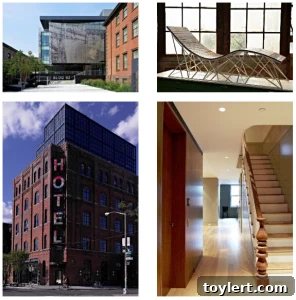
Brooklyn, a borough celebrated for its rich history and distinctive architectural landscape, stands at the forefront of a crucial urban development trend: adaptive reuse. This innovative approach to architecture and design breathes new life into existing structures, repurposing them for contemporary needs while preserving their inherent character and historical significance. It’s a testament to creativity, sustainability, and a deep respect for the past. On Thursday, March 6, the Brooklyn Historical Society will host an enlightening panel discussion featuring a distinguished group of architects and designers, all experts in navigating the virtues and complexities of adaptive reuse. This event promises to be a pivotal conversation for anyone interested in sustainable urban development, historic preservation, and the future of Brooklyn’s built environment.
The Transformative Power of Adaptive Reuse: A Brooklyn Imperative
Adaptive reuse is more than just renovating an old building; it’s a philosophy that champions resourcefulness and sustainability in urban planning. In a rapidly evolving urban environment like Brooklyn, where space is at a premium and historical narratives are woven into every street, the practice of reimagining existing structures offers profound benefits. It dramatically reduces the environmental impact associated with new construction, minimizing waste, conserving embodied energy, and lessening the demand for new materials. By extending the lifecycle of buildings, adaptive reuse actively contributes to a greener, more sustainable urban footprint, aligning perfectly with modern environmental goals.
Economically, adaptive reuse can revitalize neighborhoods, create unique commercial and residential spaces, and often proves more cost-effective than building from the ground up, especially when considering the embedded value of existing infrastructure and mature sites. These projects attract investment, foster local businesses, and contribute to the economic vibrancy of a community. Furthermore, the unique character of repurposed buildings often commands higher appeal and market value, offering a distinct alternative to generic new developments.
Culturally, these projects serve as vital links to a city’s heritage, maintaining the architectural authenticity and narrative continuity that makes places like Brooklyn so distinctive. Imagine a dilapidated factory reborn as a vibrant arts center, a forgotten warehouse transformed into a luxury hotel, or a historic schoolhouse repurposed into modern residential lofts. Each project tells a story, blending past and present in a harmonious dialogue. This approach not only prevents the loss of iconic structures but also fosters a unique sense of place that new, generic developments often struggle to achieve. For residents and visitors alike, these thoughtfully redeveloped spaces offer a tangible connection to Brooklyn’s storied past while serving the dynamic needs of its present and future. It’s about respecting the past while actively building the future.
Brooklyn: A Premier Canvas for Architectural Reinvention
Few places exemplify the potential and necessity of adaptive reuse as vividly as Brooklyn. From its industrial waterfronts to its brownstone-lined streets, the borough boasts an extraordinary collection of buildings steeped in history. Many of these structures, once central to Brooklyn’s industrial might or residential character, have outlived their original functions. Adaptive reuse offers a pathway to ensure these architectural treasures remain relevant and functional, rather than falling into disrepair or succumbing to demolition. The borough’s commitment to preserving its unique identity while embracing thoughtful growth has made it a fertile ground for innovative design solutions that honor its architectural legacy.
The sheer variety of Brooklyn’s architectural heritage—ranging from grand 19th-century commercial buildings and robust industrial complexes to charming residential townhouses and majestic public institutions—presents both exciting opportunities and complex challenges for designers. The need to balance historical integrity with modern amenities, structural limitations with contemporary codes, and aesthetic preservation with functional innovation requires a specialized skillset and a collaborative vision. This particular panel discussion at the Brooklyn Historical Society is perfectly positioned to delve into these nuanced considerations, offering insights from practitioners who have successfully navigated this intricate landscape, turning challenges into celebrated triumphs of design.
Meet the Visionaries: Architects and Designers Leading the Charge in Adaptive Reuse
The upcoming panel boasts an impressive lineup of professionals whose work profoundly impacts the adaptive reuse movement in Brooklyn and beyond. Each brings a unique perspective, offering attendees a comprehensive understanding of the design principles, challenges, and successes inherent in transforming historical spaces. Their collective expertise represents the vanguard of sustainable and historically conscious design.
Morris Adjmi: Crafting Modern Icons from Industrial Legacies
Morris Adjmi, the acclaimed architect behind the iconic Wythe Hotel, stands as a prime example of how industrial heritage can be elegantly transformed into contemporary landmarks. His work is characterized by a deep respect for a building’s existing fabric, combined with a modern sensibility that introduces new functions and aesthetic appeal. The Wythe Hotel, once a barrel and cooperage factory on the Williamsburg waterfront, perfectly embodies this philosophy. Adjmi’s design meticulously retained much of the original industrial character – exposed brickwork, large windows, and robust structural elements – while seamlessly integrating luxurious accommodations, sophisticated dining experiences, and vibrant public spaces. His projects often bridge the gap between historical context and cutting-edge design, proving that old buildings can indeed learn new tricks, becoming vibrant centers for urban life. Attendees will gain insight into his meticulous process of balancing preservation with innovation, and how his firm approaches the complex task of integrating past and present within challenging urban environments.
Joseph Vance: Expertise in Contextual Urban Architecture
Joseph Vance, of Joseph Vance Architecture, brings a wealth of experience in creating thoughtful and contextually sensitive designs within dense urban environments. His firm is renowned for its ability to navigate the intricate details of renovation and adaptive reuse, often working with diverse building types from historic residential townhouses to larger commercial and mixed-use structures. Vance’s approach emphasizes functionality, aesthetic refinement, and a seamless integration of new elements with existing historical features. His involvement in the panel will shed light on the practical aspects of adaptive reuse, including strategic planning, navigating regulatory hurdles, and the art of creative problem-solving when dealing with the unique constraints and opportunities presented by older buildings. His insights will be invaluable for understanding the architect’s critical role in steering these complex projects from concept to completion, ensuring both historical integrity and modern liveability.
Daniella Romano: Curating History and Community at Brooklyn Navy Yard’s BLDG 92
Daniella Romano, Vice President of Programs, Research, and Archive at Brooklyn Navy Yard’s BLDG 92, represents a unique institutional perspective on adaptive reuse and its impact on community and cultural heritage. The Brooklyn Navy Yard itself is a colossal testament to the concept, a sprawling complex of former shipbuilding facilities transformed into a vibrant hub for manufacturing, innovation, and culture. BLDG 92 serves as the Navy Yard’s public visitor center and museum, housed within a historically significant building that now tells the story of its own transformation and the broader history of the Yard. Romano’s work involves curating narratives and managing programs that highlight the Yard’s evolution from a naval powerhouse to a modern industrial park. Her insights will focus on the broader community impact of adaptive reuse, the challenges of preserving institutional memory within changing physical spaces, and the crucial role of cultural centers in interpreting and celebrating these magnificent transformations for public engagement.
Bill Hilgendorf: Industrial Design Meets Sustainable Repurposing with Uhuru Design
Bill Hilgendorf of Uhuru Design brings the compelling perspective of product and furniture design to the adaptive reuse conversation. Uhuru Design is celebrated for its unwavering commitment to sustainable practices, often incorporating salvaged and reclaimed materials into its distinctive, handcrafted furniture pieces. This ethos aligns perfectly with adaptive reuse principles, where existing resources are valued and given new purpose, minimizing waste and maximizing aesthetic and functional utility. Hilgendorf’s contribution will likely explore how industrial design can inform architectural reuse, perhaps focusing on the materiality of spaces, the imaginative repurposing of architectural elements, or the creation of interiors that echo a building’s history while serving contemporary functions with style and sustainability. His insights will underscore the idea that sustainability and innovative design extend beyond the building envelope, influencing every aspect of a repurposed space.
Michel Arnaud & Anne Hellman: Documenting Brooklyn’s Evolving Aesthetic through “Design Brooklyn”
Photographer and co-author of “Design Brooklyn,” Michel Arnaud, offers a vital visual and narrative dimension to the discussion. His work, alongside co-author and event moderator Anne Hellman, meticulously documents the diverse and evolving design landscape of Brooklyn, undoubtedly featuring numerous compelling examples of adaptive reuse. Arnaud’s photography captures the soul of these transformed spaces, showcasing how thoughtful design can integrate profound history with vibrant modern living. Anne Hellman, a distinguished voice in architectural journalism and urban design, will expertly moderate the panel. Her deep knowledge of Brooklyn’s design scene and her authoritative collaboration on “Design Brooklyn” make her ideally suited to guide the conversation, drawing out key insights from the panelists and fostering a dynamic exchange of ideas on the critical intersection of preservation, innovation, and community development. Their collective work serves as a powerful visual and intellectual archive of Brooklyn’s adaptive reuse journey, inspiring future generations.
Why This Discussion is Essential for Brooklyn’s Future and Beyond
The challenges facing urban centers today—from climate change and resource scarcity to the imperative of fostering vibrant, equitable communities—make the principles of adaptive reuse more relevant than ever. This panel discussion offers a unique opportunity for architects, designers, developers, policymakers, students, and engaged citizens to come together and explore practical solutions and inspiring visions for Brooklyn’s future. It’s a chance to learn from leading practitioners about how to honor the past while building a sustainable, economically viable, and culturally rich tomorrow. The insights shared will resonate far beyond Brooklyn, offering valuable lessons for urban areas worldwide grappling with similar issues.
Attendees will gain a deeper understanding of the complex processes involved in adaptive reuse projects, from initial concept and feasibility studies to intricate structural modifications and final aesthetic execution. They will hear firsthand about innovative design strategies, successful project case studies, and the creative problem-solving required to transform challenging sites into cherished community assets. Furthermore, the discussion will highlight the broader impact of these projects on urban revitalization, local economic development, and cultural enrichment, reinforcing adaptive reuse as a cornerstone of responsible and visionary urban planning.
Event Details and Call to Action
Join us at the Brooklyn Historical Society on Thursday, March 6, for what promises to be an engaging and exceptionally insightful evening. The discussion will be followed by a special book signing with esteemed authors Michel Arnaud and Anne Hellman, providing an unparalleled opportunity to acquire their renowned work, “Design Brooklyn,” and engage directly with these influential voices in design and photography. Additionally, beer will be available for sale, offering a relaxed setting for further networking and stimulating conversation among attendees, panelists, and community members. This event is an unmissable opportunity to delve into the heart of Brooklyn’s architectural future and contribute to the ongoing dialogue about how we can sustainably shape our urban landscape.
Don’t miss this chance to hear from the experts who are redefining Brooklyn’s architectural narrative, one thoughtfully repurposed building at a time. Be part of the conversation that shapes our borough’s heritage and its innovative path forward towards a more sustainable and culturally vibrant future. Your presence contributes to fostering a community passionate about preserving and evolving Brooklyn’s unique identity.