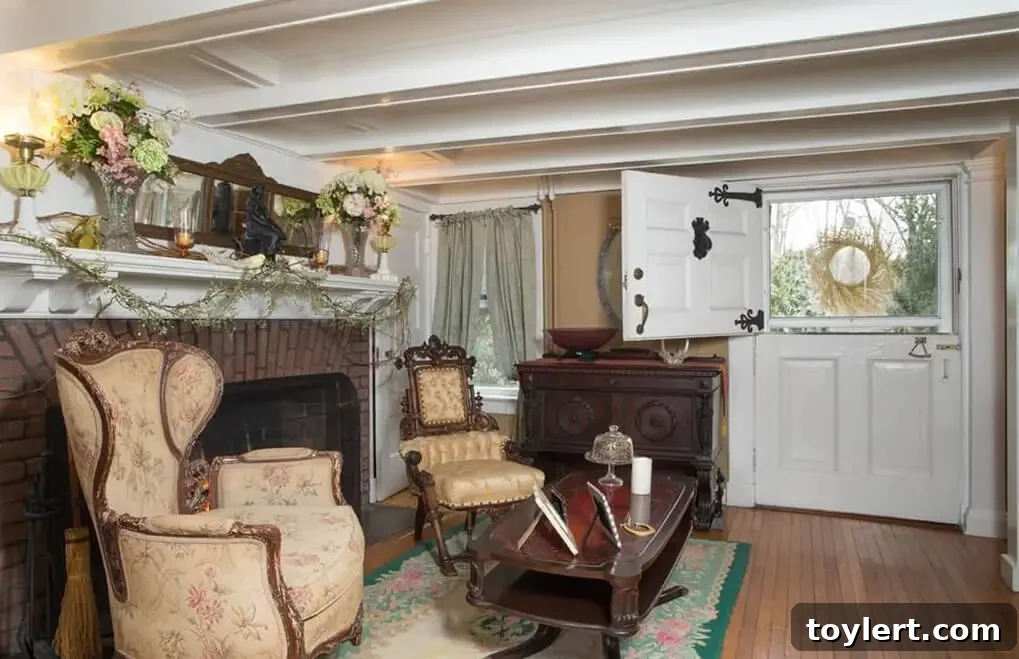
In the picturesque heart of Putnam County, New York, a compelling piece of history stands for sale: a white clapboard house whose roots stretch back to the early 19th century. This venerable property in Brewster, N.Y., remarkably predates the very railroad that would fundamentally reshape the village, transforming it from a quiet agricultural outpost into a bustling hub. Today, Brewster finds itself on the precipice of yet another significant metamorphosis, as its residents grapple with the implications of a controversial urban renewal plan, drawing comparisons to ambitious, and often debated, mid-20th-century development schemes. This intersection of deep-rooted history and forward-looking, albeit contentious, change makes this particular property, and indeed the entire village of Brewster, a fascinating study in evolution and endurance.
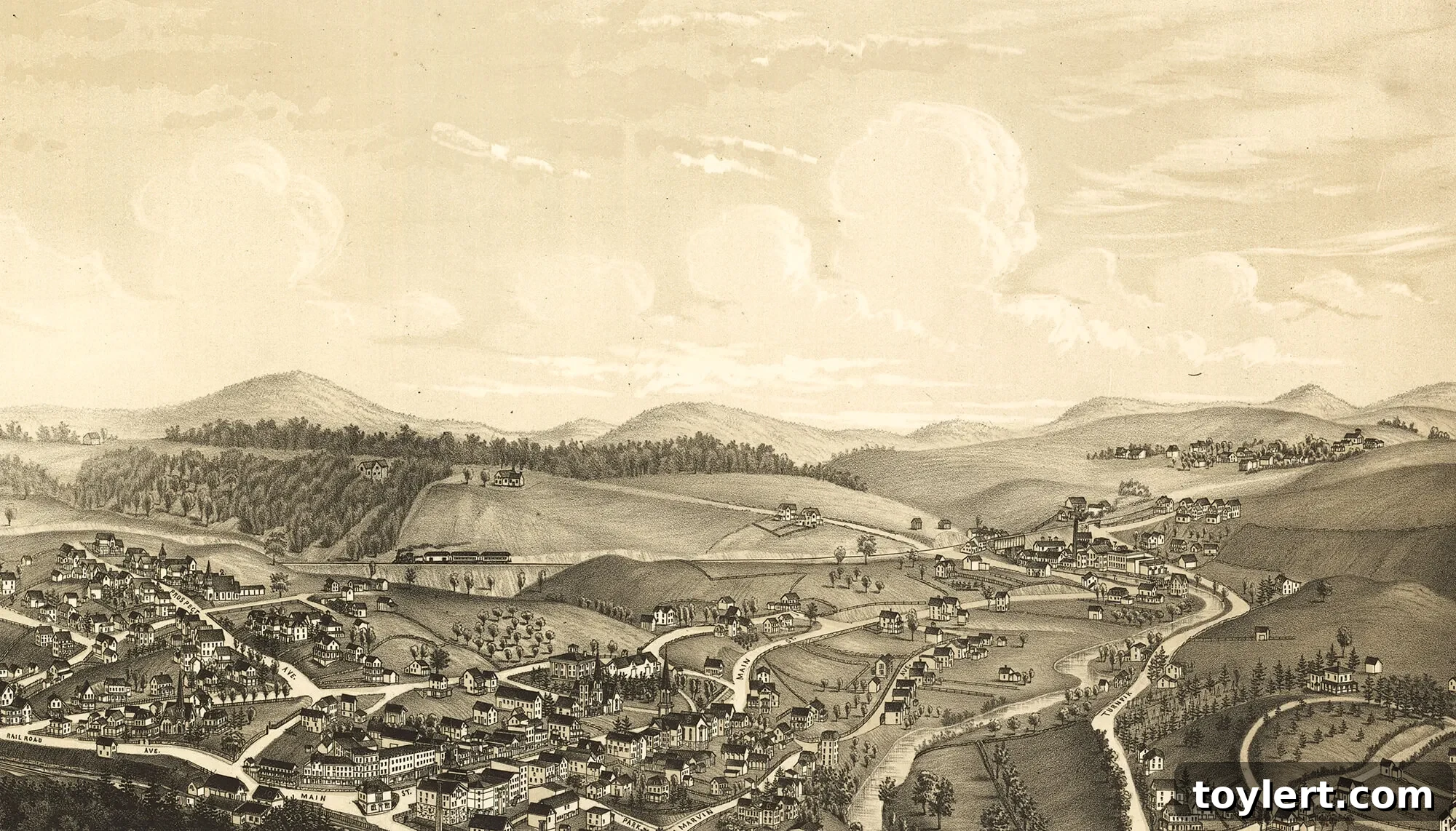
Brewster’s Agricultural Roots and the Dawn of a New Era
Like countless other small towns nestled north of New York City, the economic backbone of Brewster and its surrounding areas throughout the 18th and early 19th centuries was overwhelmingly agricultural. Life revolved around farming, with local produce sustaining communities and contributing to regional markets. The village of Brewster itself was meticulously carved out from the larger town of Southeast, N.Y., a strategic move that set the stage for its subsequent development. Its very name pays homage to the visionary developers, James and Walter Brewster, whose foresight would forever alter the trajectory of the region. It was these pioneering individuals who began acquiring significant tracts of farmland, not for continued cultivation, but with a grander vision: to establish a vital transportation hub.
The Brewsters’ ambitious plan materialized with the construction of a dedicated train station, poised to serve the then-expanding Harlem Line Railroad. The arrival of the Harlem Line in the late 1840s marked a pivotal moment, signaling the end of an era dominated by arduous horse-and-cart transport and the beginning of rapid, industrialized connectivity. This transformation was more than just an infrastructural upgrade; it was a societal shift that promised unprecedented economic opportunities and a fundamental restructuring of daily life in what would become the thriving village of Brewster.
The Railroad Revolution: Propelling Brewster into the Future
The establishment of the Harlem Line Railroad, now a critical artery known as the Metro-North Harlem Line, with its key stop in Brewster, unleashed an unparalleled economic boom throughout the entire area. This wasn’t merely a minor improvement; it was a game-changer that radically streamlined logistics and spurred growth across multiple sectors. For the industrious farmers, the railway provided a fast, efficient, and reliable conduit for their goods. Fresh produce, dairy products, and other agricultural commodities could now reach the bustling markets of New York City in a fraction of the time, vastly expanding their reach and profitability. This direct link to the metropolitan heart incentivized increased production and specialization, allowing local agriculture to flourish in ways previously unimaginable.
Beyond farming, the railroad acted as a powerful magnet for developers and new residents. The enhanced connectivity meant that Brewster became an attractive proposition for those seeking a more tranquil lifestyle away from the urban sprawl, without sacrificing accessibility to the city’s employment opportunities. This influx of people fueled demand for housing, services, and infrastructure, leading to rapid development and diversification of the local economy. The once-sleepy farming village began to transform into a vibrant community, characterized by its growing population, burgeoning businesses, and a palpable sense of progress, all thanks to the iron tracks that snaked through its heart. The Metro-North Harlem Line continues its legacy today, serving as a vital link for thousands of commuters and anchoring Brewster’s place within the broader New York metropolitan area.
A Village in Flux: The Urban Renewal Debate
As Brewster looks to its future, the echoes of its transformative past resonate strongly, particularly in the ongoing debate surrounding a controversial urban renewal plan. This proposed initiative, designed to revitalize key areas of the village, has sparked intense discussion among residents, business owners, and local authorities. Proponents of the plan envision a modernized, more pedestrian-friendly downtown core, complete with updated infrastructure, new commercial spaces, and enhanced public amenities. They argue that such a renewal is essential for economic growth, attracting new businesses, and creating a more vibrant, dynamic environment that can thrive in the 21st century. The aim is to make Brewster even more appealing to both current residents and potential newcomers, ensuring its long-term prosperity and relevance.
However, the plan is not without its detractors. Opponents express deep concerns that the proposed “1960s-style” urban renewal could irrevocably alter the historic character and unique charm that define Brewster. Fears range from the potential demolition of architecturally significant buildings to the displacement of long-standing local businesses and a general homogenization of the village’s distinct identity. Many residents cherish Brewster’s small-town feel, its connection to history, and its community-centric atmosphere. They advocate for a more sensitive, preservation-focused approach to development, one that integrates modern needs with a profound respect for the village’s heritage. The debate highlights a perennial challenge for many historic towns: how to foster economic vitality and adapt to contemporary demands while safeguarding the very essence that makes them special. The choices made today will undoubtedly shape Brewster’s landscape for generations to come.
Living in Brewster, NY: Blending History with Modern Appeal
Brewster, NY, situated amidst the rolling hills and scenic landscapes of Putnam County, offers a unique lifestyle that harmonizes its rich history with the conveniences of modern living. The presence of the Metro-North Harlem Line continues to be a defining feature, making it an attractive bedroom community for those commuting to New York City. Residents enjoy the serenity of suburban life, characterized by open spaces, community parks, and a slower pace, yet they retain easy access to the cultural and economic opportunities of the metropolis. This blend is a significant draw for families and individuals seeking a balanced lifestyle.
Beyond its commuter appeal, Brewster boasts a vibrant local character. The village is surrounded by natural beauty, with proximity to numerous lakes, reservoirs, and hiking trails, offering ample opportunities for outdoor recreation. Local businesses, community events, and a strong sense of civic engagement contribute to its welcoming atmosphere. The ongoing discussions about urban renewal reflect a community deeply invested in its future, striving to strike a balance between preserving its historical legacy and embracing strategic development. For those interested in historic homes for sale in Putnam County, or exploring upstate New York properties with genuine character, Brewster presents an compelling option—a place where every clapboard house, like the one currently on the market, tells a story of transformation, resilience, and enduring charm.
The Enduring Legacy of Putnam County and Brewster’s Future
Putnam County, with towns like Brewster, embodies the quintessential beauty and historical depth of the Hudson Valley region. Its early history, marked by agriculture and later industrial growth spurred by the railroad, laid the foundation for the communities seen today. The very fabric of Brewster is woven with tales of innovation, from the developers who envisioned its railroad hub to the generations of families who have called it home. The historic white clapboard house, with its early 19th-century origins, serves as a tangible link to this past, a silent witness to the profound changes the village has undergone.
As Brewster navigates the complexities of its proposed urban renewal, it stands at a critical juncture. The decisions made regarding its downtown revitalization will not only redefine its physical landscape but also solidify its identity for the coming decades. Will it lean towards a future that prioritizes modernization and growth, or will it find a way to meticulously blend progress with the preservation of its beloved historical charm? This ongoing dialogue is a testament to the community’s engagement and its desire to forge a future that honors its origins while meeting the demands of contemporary life. For anyone seeking to invest in a piece of Upstate New York history, or simply to understand the dynamic evolution of small towns north of NYC, Brewster offers a compelling narrative of change, continuity, and community spirit.