Building Resilient Waterfronts: Navigating Development Post-Hurricane Sandy in NYC
New York City’s identity is inextricably linked to its extensive waterfront. From the bustling ports that fueled its early growth to the recreational piers and residential complexes that now dot its shores, the water has always been a defining feature. However, the devastating impact of Hurricane Sandy in 2012 irrevocably altered the conversation around waterfront development. The storm laid bare the city’s vulnerabilities, prompting a critical re-evaluation of how coastal areas should be planned, built, and protected for future generations. In the wake of this catastrophic event, the debate intensified: should development along the water continue, or should the city consider a strategic retreat?
The Indelible Mark of Hurricane Sandy on NYC’s Coastline
Hurricane Sandy, an unprecedented superstorm, delivered a harsh lesson to New York City. Its storm surge inundated vast swaths of the coastline, from Lower Manhattan to the outer boroughs, causing billions of dollars in damage and displacing countless residents. Critical infrastructure failed, power grids collapsed, and the economic lifeblood of many waterfront communities was severely disrupted. The disaster highlighted the immediate and long-term risks associated with building in low-lying coastal zones, particularly in an era of accelerating climate change and rising sea levels. It was a stark reminder that while the waterfront offers immense aesthetic and economic appeal, it also carries inherent dangers that demand proactive and sophisticated planning.
Dan Doctoroff’s Enduring Vision for Waterfront Prosperity and Resilience
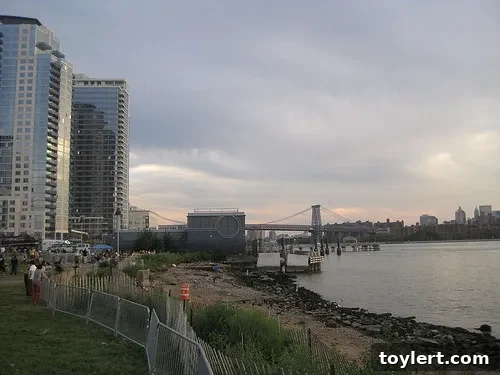
Amidst the recovery and reconstruction efforts, voices from various sectors weighed in on the path forward. One prominent figure was Dan Doctoroff, the former Deputy Mayor for Economic Development under Mayor Michael Bloomberg. During his tenure, Doctoroff was a key architect behind the ambitious planning and development of thousands of residential units and commercial spaces along the city’s waterfront, notably in dynamic areas such as Williamsburg (pictured above) and Hunters Point. Years after the storm, Doctoroff maintained his steadfast belief in the continued development of these waterfront areas, even those identified as most susceptible to hurricane damage. His perspective, however, was not without critical caveats, emphasizing a proactive approach to risk mitigation rather than outright abandonment.
Doctoroff’s commitment to waterfront development stemmed from a broader understanding of New York City’s economic vitality and its unique relationship with its surrounding waters. He recognized the immense demand for housing and commercial spaces in these areas, coupled with the unparalleled quality of life they offer. His vision, however, was not one of unbridled expansion but rather of intelligent growth – a strategy that acknowledges and confronts environmental realities head-on. This approach stands in contrast to sentiments expressed by Mayor Bloomberg, who, shortly after Sandy, voiced skepticism about large-scale physical barriers, stating, “We cannot build a big barrier reef off the shore to stop the waves from coming in, we can’t build big bulkheads that cut people off from the water that they’re trying to do.” Doctoroff’s alternative emphasized internal resilience and adaptive strategies over external, potentially isolating fortifications.
Pillar One: The Imperative of Strong Building Codes and Advanced Engineering
One of the cornerstones of Doctoroff’s vision is the implementation and strict adherence to robust building codes. These are not merely suggestions but mandatory guidelines designed to safeguard both property and lives. Post-Hurricane Sandy, the emphasis on elevating critical building components became paramount. This includes raising ground floors, mechanical systems, electrical infrastructure, and utilities above the predicted Base Flood Elevation (BFE) – a standard set by the Federal Emergency Management Agency (FEMA). Beyond elevation, the choice of construction materials plays a crucial role. Flood-resistant materials, such as specific types of concrete, masonry, and treated lumber, are essential in minimizing water damage and resisting decay. Furthermore, foundations must be engineered to withstand significant hydrostatic (standing water pressure) and hydrodynamic (moving water force) forces, preventing structural compromise during storm surges. These codes serve as the first line of defense, transforming potentially vulnerable structures into resilient assets capable of weathering future climatic events, ensuring that the economic vibrancy of waterfront areas can continue without catastrophic interruptions.
Moreover, the integration of innovative engineering solutions extends beyond individual structures. It encompasses the design of infrastructure networks that are less susceptible to flooding, such as underground utility lines placed in protective conduits or elevated systems where feasible. Green infrastructure elements, like permeable paving and bioswales, can also be incorporated into urban design to manage stormwater runoff more effectively, reducing localized flooding. These comprehensive engineering solutions, enforced through rigorous building codes, are fundamental to creating truly resilient urban coastal environments that can endure the test of time and climate change.
Pillar Two: Embracing Smart Adaptability and Holistic Planning Strategies
Beyond robust building codes, Doctoroff championed a “smart adaptability strategy.” This concept moves beyond mere protection and embraces a more holistic and dynamic approach to living with water. Smart adaptability entails a multi-faceted strategy that integrates ecological principles with urban planning. Key components include:
- Green Infrastructure: Restoring and enhancing natural buffers such as wetlands, oyster reefs, and riparian zones. These natural systems absorb storm surge, filter water, and provide ecological benefits. Permeable pavements, rain gardens, and bioswales are also critical in managing stormwater runoff and reducing urban flooding.
- Blue Infrastructure: Strategic deployment of floodwalls, seawalls, and deployable barriers, but critically, integrated into the urban fabric in a way that doesn’t “cut people off from the water,” as Mayor Bloomberg feared. This involves innovative designs that can retract or be deployed only during threat events, maintaining public access and views during normal conditions.
- Elevated Public Spaces: Designing parks, plazas, and pedestrian walkways that can withstand periodic inundation or are elevated to remain accessible during minor flood events, turning potential vulnerabilities into adaptive design features.
- Community Engagement and Education: Empowering residents with knowledge about flood risks, evacuation procedures, and individual preparedness strategies. This fosters a culture of resilience from the ground up, making communities active participants in their own safety.
- Phased Adaptation: Recognizing that climate change impacts are dynamic, a smart adaptability strategy involves flexible, long-term plans that can evolve. This means regularly reassessing risks, updating infrastructure, and potentially implementing more aggressive measures as sea levels continue to rise.
This comprehensive approach views the waterfront not as a static entity to be defended, but as a dynamic interface that requires continuous adaptation and thoughtful interaction. It acknowledges that no single solution will suffice and that a layered defense, combining natural and engineered systems, is the most effective path forward.
The Human Element: Evacuation and Personal Responsibility
While strong infrastructure and adaptive strategies are crucial, the human element remains paramount in disaster preparedness. Doctoroff underscored this point quite forcefully when he referred to individuals who refused to evacuate during past crises as “fools.” His blunt assessment highlights a critical challenge in disaster management: convincing residents to take evacuation warnings seriously. Effective emergency planning relies heavily on public cooperation, and resistance to evacuation orders can not only endanger those who stay behind but also place emergency responders at unnecessary risk.
The lessons from Sandy unequivocally demonstrated the vital importance of heeding evacuation warnings. Authorities must refine their communication strategies to clearly convey risks and instructions, while communities must foster a culture of preparedness. This includes educating residents about flood zones, ensuring they have personal emergency plans, and understanding the potentially severe consequences of ignoring official advisories. Ultimately, even the most resilient buildings and cleverest infrastructure designs cannot fully protect individuals who choose to remain in harm’s way during a severe weather event.
Navigating the Persistent Debate: Development vs. Retreat
The conversation around waterfront development in New York City remains complex and multifaceted. While Doctoroff advocates for continued development underpinned by resilience, the economic and social pressures are immense. The city faces the ongoing challenge of balancing the desire for urban growth and economic prosperity with the undeniable risks posed by climate change. Large-scale protective barriers, such as seawalls and surge gates, represent one potential solution but come with their own set of environmental, aesthetic, and financial considerations. Mayor Bloomberg’s concern about “cutting people off from the water” reflects a valid point about preserving the intrinsic connection between New Yorkers and their aquatic surroundings.
The cost of implementing comprehensive resilience measures is substantial, often requiring billions in public and private investment. However, the cost of inaction, as demonstrated by Hurricane Sandy, can be far greater. Future planning must carefully weigh these investments against potential damages, loss of life, and economic disruption. Furthermore, the debate extends to social equity – ensuring that resilience strategies benefit all communities, not just the most affluent, and that vulnerable populations are not disproportionately impacted by either climate change or the solutions designed to combat it. The goal is to create waterfronts that are not only economically vibrant and ecologically sound but also socially just and accessible to everyone.
The Path Forward: A Holistic Approach to Urban Coexistence with Water
New York City’s journey toward a resilient future along its waterfront is an ongoing process of learning, adaptation, and innovation. The vision articulated by Dan Doctoroff, emphasizing “strong building codes” and a “smart adaptability strategy,” offers a pragmatic blueprint. It acknowledges the inherent allure and economic necessity of waterfront development while rigorously addressing its vulnerabilities. This approach moves beyond simple defensive measures to embrace a more integrated coexistence with the natural environment.
Achieving truly sustainable and resilient waterfronts will require continuous collaboration between city planners, engineers, environmental scientists, community leaders, and residents. It demands innovative financing mechanisms, updated regulatory frameworks, and a collective commitment to long-term vision. The objective is not merely to rebuild after each disaster but to proactively construct a city that can withstand future challenges, fostering vibrant, safe, and accessible waterfronts for generations to come. New York City’s ability to adapt and thrive in the face of climate change will serve as a critical model for coastal cities worldwide.
Dan Doctoroff Still Wants Waterfront Development — So Long As “Fools” Evacuate Next Time [Observer]
Photo by rubalisciousness