Read Part 2 of this story.
Unveiling Brooklyn’s Gilded Age Secrets: A Tale of Deception and Desire on Hancock Street
Step back in time to the bustling streets of Brooklyn at the turn of the 20th century, an era of unprecedented growth, shimmering opulence, and an undercurrent of dark intrigue. While the gas lamps flickered and horse-drawn carriages clattered over cobblestone streets, beneath the veneer of high society, a captivating drama unfolded. This is not merely a historical account; it’s a deep dive into a world where politics, corruption, bigamy, adultery, duplicity, confidence games, and raw greed intertwined with the aspirations of a burgeoning aristocracy. Fortunes were gained and spectacularly lost, lives were meticulously crafted and devastatingly unravelled, all within the elegant brownstones and smoke-filled backrooms of a bygone Brooklyn.
The allure of this period lies not only in the grand scale of its ambitions but also in the peculiar elegance with which its scandals were conducted. Imagine participants draped in exquisite Worth gowns, gentlemen in impeccably tailored morning suits, alighting from hansom cabs onto the grand avenues. Their secret meetings might take place over afternoon tea in opulent parlors or in clandestine gatherings within the shadowy confines of powerful political clubs. These were the settings for dramas that, in their essence, are as timeless as humanity itself – tales of ambition, betrayal, and the relentless pursuit of power and pleasure. Yet, the distinct flavor of the Gilded Age, with its emphasis on outward respectability and the carefully guarded secrets of the elite, lends an undeniable glamour to every twist and turn.
Brooklyn at the Crossroads of Change: The Gilded Age Landscape
The turn of the 20th century saw Brooklyn transformed from a collection of distinct towns into a vibrant, sprawling borough of New York City. This was a time of immense industrial expansion, burgeoning commerce, and rapid urbanization. Neighbourhoods like Stuyvesant Heights, Clinton Hill, and, indeed, those surrounding Hancock Street, were rapidly developing with magnificent brownstones and limestone mansions, symbols of newfound wealth and social aspiration. The rich lived side-by-side with a growing middle class, and the city hummed with the energy of immigrants seeking new opportunities. This melting pot of ambition and diverse backgrounds created fertile ground for both legitimate success and elaborate schemes.
The rapid accumulation of wealth often outpaced the establishment of robust ethical frameworks, creating a vacuum where opportunism could flourish. New industries created millionaires overnight, but also paved the way for monopolies, trusts, and ruthless business practices. Society was stratified, but also fluid enough for those with cunning and charisma to ascend – or to exploit those already at the top. The anonymity of a large, growing city provided the perfect cover for double lives, illicit affairs, and the intricate web of deceit that characterized many personal and professional relationships of the era. Brooklyn’s rapid development made it a prime location for both dreams realized and deceptions woven.
The Corridors of Power: Politics and Unseen Strings
Brooklyn’s political landscape during the Gilded Age was a complex tapestry woven with threads of public service, personal ambition, and widespread corruption. “Machine politics” was the order of the day, where powerful political bosses wielded immense influence, often controlling city services, public contracts, and even judicial appointments. Votes could be bought, favors exchanged, and the lines between public good and private gain blurred considerably. A rising politician might appear to champion the common man, yet secretly be beholden to powerful industrialists or shadowy figures pulling strings from behind the scenes, ensuring their own interests were served.
The allure of political power was irresistible, not just for the prestige it conferred, but for the vast financial opportunities it presented. Land deals, infrastructure projects, and city contracts were ripe for graft and kickbacks, offering tempting avenues for illicit enrichment. Fortunes were made by those who knew which palms to grease and which levers to pull. This environment fostered a culture of duplicity, where public pronouncements often masked private agreements, and the true cost of progress frequently included a hidden tax paid directly into the pockets of the influential. The elegant facades of municipal buildings often concealed a moral decay, a quiet understanding that influence could be bought, and principles, if inconvenient, could be sold at a premium.
Scandal Behind the Lace Curtains: Bigamy, Adultery, and Societal Pretense
While the men navigated the treacherous waters of politics and finance, women often faced a different set of societal pressures, meticulously maintaining appearances even as their private lives might crumble. Bigamy and adultery, though deeply taboo, were not uncommon, especially among a class that could afford to maintain multiple households or discreetly travel. For men, a “second family” might be a whispered secret, a mistress maintained in a separate apartment, or even a completely separate, secret marriage in another city, relying on the less connected information networks of the time. The vastness of the city and slower communication methods provided a cloak for such deceptions.
The scandal of bigamy, when exposed, was devastating, particularly for the women involved. A second wife, unknowingly entering into a fraudulent union, faced profound social disgrace and the legal invalidation of her marriage, often leaving her without recourse. Adultery, too, carried immense social stigma, particularly for women, often leading to ostracization and ruin, while men frequently escaped with mere whispers. Yet, the strictures of society also bred a remarkable talent for deception. Lives were lived with careful planning and elaborate lies, all designed to preserve the outward image of respectability. The silence of servants, the complicity of friends, and the deliberate blindness of society often allowed these intricate webs of personal deceit to persist for years, only to unravel explosively when the fragile threads finally gave way, often in dramatic public fashion.
The Art of Deception: Confidence Games and Duplicity
The Gilded Age was a golden era for confidence games. With rapid economic expansion, many individuals, both newly rich and desperately aspiring, were eager to invest in the next big thing or secure a higher social standing. This fertile ground attracted a host of skilled charlatans, adept at exploiting human desires and vulnerabilities. From fraudulent stock schemes promising astronomical returns to elaborate social scams designed to extract wealth through romantic entanglements or false promises of influence, the art of deception reached new heights. The rapid changes and lack of regulation often left victims exposed.
Duplicity was a master skill, not just for professional con artists, but also for those navigating the upper echelons of society. Business partners might engage in double-dealing, politicians might make promises they never intended to keep, and even family members might scheme against one another for inheritance or control of an estate. Trust was a precious commodity, often given freely but rarely earned truly. The charming rogue, the persuasive financier, the seemingly innocent socialite – all could be players in a sophisticated game of manipulation, their actions hidden behind a veil of etiquette. The grand houses of Brooklyn, with their closed doors and hushed conversations, often bore witness to these intricate plots, where reputations were built on falsehoods and fortunes were amassed through the systematic betrayal of trust.
The Relentless Pursuit: Greed and the Dance of Fortunes
At the heart of many of these intertwined dramas was greed – a powerful, consuming desire for more wealth, more power, more social standing. The Gilded Age was defined by an almost frenzied pursuit of material accumulation. From the humble immigrant dreaming of a better life to the established magnate seeking to expand his empire, the drive for financial success was a universal constant. However, for some, this ambition transcended ethical boundaries, leading to ruthless exploitation, predatory investments, and a willingness to compromise morals for profit, seeing others merely as means to an end.
The dance of fortunes was precarious. Fortunes could be gained spectacularly through shrewd investments, innovative business ventures, or even through the exploitation of labor. Yet, they could also be lost with equal speed – through market crashes, failed ventures, exposure of fraud, or simply the lavish spending habits that became synonymous with the era. The stakes were incredibly high, not just financially, but socially. A lost fortune meant not only destitution but often public humiliation and a fall from grace that few could recover from. The opulent brownstones of Brooklyn, like those on Hancock Street, stood as testaments to success, but also as silent witnesses to the devastating consequences of unchecked ambition and the inevitable collapse that followed when the fragile house of cards came tumbling down, revealing the hollow foundations beneath.
Hancock Street: A Silent Witness to History
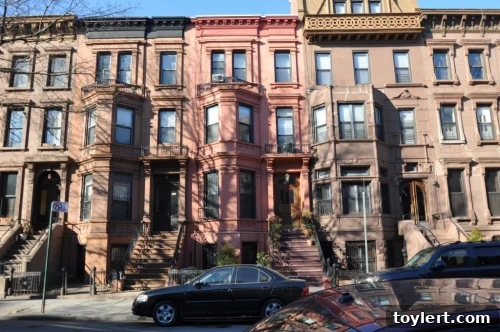
While the specific inhabitants and their scandalous affairs remain part of a larger historical narrative, the very houses on streets like Hancock Street silently absorbed the dramas of their time. These architectural marvels, built with robust materials and intricate detailing, were more than just residences; they were stages where the comedies and tragedies of human existence played out. Their stoops witnessed clandestine meetings, their parlors overheard whispered secrets, and their bedrooms were the settings for both tender moments and bitter betrayals. Every brick, every window pane, potentially held a story.
The brownstones of Hancock Street embody the essence of turn-of-the-century Brooklyn. They represent the aspirations of a generation, the desire for stability, beauty, and status. Yet, within their walls, the timeless human struggles – the quest for love, the hunger for power, the vulnerability to deceit – continued unabated. To walk down Hancock Street today is to connect with this rich, complex past, to imagine the lives lived within these elegant structures, and to ponder the enduring nature of human folly and triumph. The stories, whether of grand political maneuvers or intimate personal betrayals, are etched into the very fabric of Brooklyn’s historical consciousness, serving as a reminder that even in the most glittering eras, the shadows of human nature persist and shape the legacy of a place.
These tales of deception and desire, set against the backdrop of Brooklyn’s Gilded Age, offer a compelling glimpse into a world that, despite its period-specific details, resonates deeply with contemporary human experience. The pursuit of wealth, the complexities of relationships, and the ever-present tension between public image and private reality are themes that transcend time. As we delve deeper into these historical narratives, we uncover not just the secrets of a bygone era, but also enduring truths about ourselves, proving that the human drama is a constant, regardless of the finery or the century.