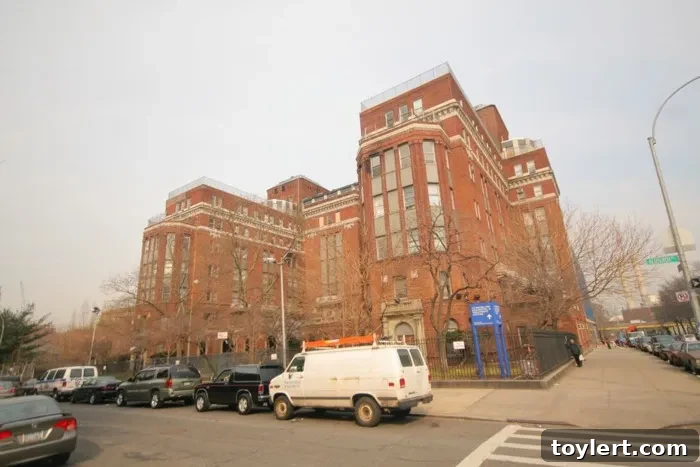
Unveiling the Crisis: Deplorable Conditions at Fort Greene’s Auburn Family Residence
New York City, a beacon of opportunity and a global metropolis, often masks a stark reality for many of its most vulnerable residents: the pervasive and often invisible crisis of homelessness. Within the rapidly gentrifying borough of Brooklyn, specifically in the vibrant neighborhood of Fort Greene, a single address, 39 Auburn Place, became a poignant symbol of this struggle. The Auburn Family Residence, a city-run homeless shelter, gained widespread attention following a powerful investigative series by The New York Times. This multi-part exposé illuminated the harrowing daily lives of families trapped in a cycle of poverty and substandard living conditions, forcing the public to confront the grim realities hidden within plain sight.
The Times’ series, aptly titled “Invisible Child,” centered on an 11-year-old girl named Dasani Coates and her family – six siblings and her parents – as they navigated life within the Auburn Family Residence. The narrative painted a stark contrast between the appalling conditions inside the shelter and the burgeoning affluence of the surrounding Fort Greene neighborhood. While luxury condominiums and trendy cafes sprouted up, symbolizing a new era of prosperity, families like Dasani’s endured neglect, structural decay, and a profound lack of dignity just blocks away.
A Glimpse Inside: The Shocking Reality of Shelter Life
The revelations concerning the Auburn Family Residence were not merely anecdotal; they were systematically documented failures that highlighted severe systemic breakdowns. The New York Times meticulously detailed the egregious living conditions that families, including young children, were forced to endure daily:
- Structural Decay and Vermin Infestation: Residents reported crumbling walls, through which mice scurried freely, becoming unwelcome, constant companions. This created an unsanitary and unsafe environment, particularly for infants and toddlers.
- Lack of Essential Amenities: One of the most shocking accounts involved the absence of basic necessities, such as adequate heating. In a stark illustration of the dire situation, families resorted to desperate measures like using a hair dryer to warm a baby’s crib during cold spells, a dangerous and insufficient solution for maintaining warmth in a professional facility.
- Health and Safety Hazards: Beyond the immediate discomfort, the shelter posed significant health risks. Inspectors repeatedly cited the Auburn facility for the presence of lead paint and asbestos exposure, both of which are known to cause severe, long-term health problems, especially in developing children. Spoiled food was another recurring issue, raising concerns about nutrition and potential foodborne illnesses for vulnerable residents.
- Operational and Regulatory Negligence: Perhaps most damning were the findings related to the shelter’s operational integrity. The Auburn Family Residence, despite housing hundreds, operated without a legally required certificate of occupancy. Furthermore, it lacked an operational plan that met state regulations, indicating a profound disregard for established safety and care standards. Many of the shelter’s smoke detectors and alarms, crucial safety features, were found to be inoperable, leaving residents vulnerable in case of fire.
- Sexual Misconduct by Staff: The Times also brought to light allegations of sexual misconduct by staff members, an appalling breach of trust and safety for residents who are already in extremely vulnerable positions. Such incidents underscored the urgent need for stricter oversight, improved training, and accountability within the shelter system.
These findings collectively painted a picture of a facility that was not only failing to provide safe and humane temporary housing but was actively endangering the well-being of the very people it was designed to protect. The conditions were eerily reminiscent of the stark depictions of urban poverty captured by Jacob Riis in his seminal work, “How the Other Half Lives,” a century prior, suggesting a troubling persistence of severe social inequalities in modern society.
The Invisible Child and the Broader Context of NYC Homelessness
Dasani’s story, as told by The New York Times, transcended a mere report; it humanized the statistics of homelessness. Through her eyes, readers witnessed the daily struggle for survival, the challenges of attending school from a shelter, the constant anxiety, and the resilience required to navigate a system that often felt designed to keep families down rather than lift them up. Her narrative became a powerful emblem for the “invisible children” of New York City – the tens of thousands of young people experiencing homelessness whose lives are profoundly shaped by instability and deprivation.
The issues at Auburn Family Residence are not isolated incidents but symptoms of a larger, systemic problem plaguing New York City. The city’s ongoing affordable housing crisis, coupled with insufficient wages, mental health challenges, substance abuse issues, and domestic violence, contributes to a continuously growing homeless population. While New York has a “right to shelter” mandate, ensuring a bed for every individual and family in need, the quality and oversight of these shelters remain a contentious and critical issue. The sheer volume of people requiring assistance often strains resources, leading to overcrowded facilities, delayed repairs, and, as seen at Auburn Place, a neglect of basic human rights.
Gentrification and the Stark Divide in Fort Greene
The New York Times’ decision to contrast the shelter’s squalor with the surrounding neighborhood’s transformation was deliberate and impactful. Fort Greene, once an area grappling with high crime rates and economic struggles, had, by the time of the exposé, undergone significant gentrification. Historic brownstones were meticulously renovated, independent boutiques flourished, and property values soared. This economic boom, while bringing new investment and cultural vibrancy, simultaneously pushed out long-time residents and deepened the chasm between the neighborhood’s affluent newcomers and its most marginalized inhabitants.
The Auburn Family Residence, situated amidst this revitalization, served as a stark, physical reminder of the widening income inequality and the city’s inability to ensure that economic progress benefits all its citizens. It highlighted how progress for some can mean displacement and intensified hardship for others, making the issue of adequate and dignified housing for all an even more pressing social justice concern.
Towards a More Humane Future: Addressing the Homelessness Crisis
The “Invisible Child” series and the subsequent public outcry brought much-needed attention to the appalling conditions at Auburn Family Residence and, by extension, within New York City’s entire shelter system. It spurred calls for immediate action, increased accountability, and fundamental reforms. Addressing the complex issue of homelessness requires a multi-faceted approach, moving beyond mere temporary shelter to sustainable, long-term solutions:
- Investing in Affordable Housing: The most critical step is to drastically increase the supply of truly affordable housing units across the city, ensuring that low-income families are not priced out of their communities.
- Strengthening Oversight and Regulation: Stricter enforcement of housing codes and operational standards for shelters is essential. Regular, unannounced inspections, coupled with severe penalties for non-compliance, can ensure humane living conditions.
- Comprehensive Support Services: Shelters must not just provide a roof; they must offer robust support services including job placement, educational assistance, mental health counseling, substance abuse treatment, and childcare to help families transition out of homelessness permanently.
- Preventative Measures: Implementing programs that help families on the brink of homelessness, such as rental assistance and legal aid to prevent evictions, can significantly reduce the number of people entering the shelter system.
- Public Awareness and Advocacy: Continued media attention and public advocacy are crucial to keeping homelessness at the forefront of civic discourse and holding elected officials accountable for tangible progress.
The story of Dasani and the Auburn Family Residence is a powerful testament to the enduring challenges of poverty and inequality in one of the world’s wealthiest cities. It serves as a stark reminder that true progress can only be measured by how well a society cares for its most vulnerable members. By learning from the failures at Auburn Place and committing to systemic change, New York City has an opportunity to build a more equitable and humane future for all its residents, ensuring that no child remains “invisible” in their struggle for dignity and a safe home.