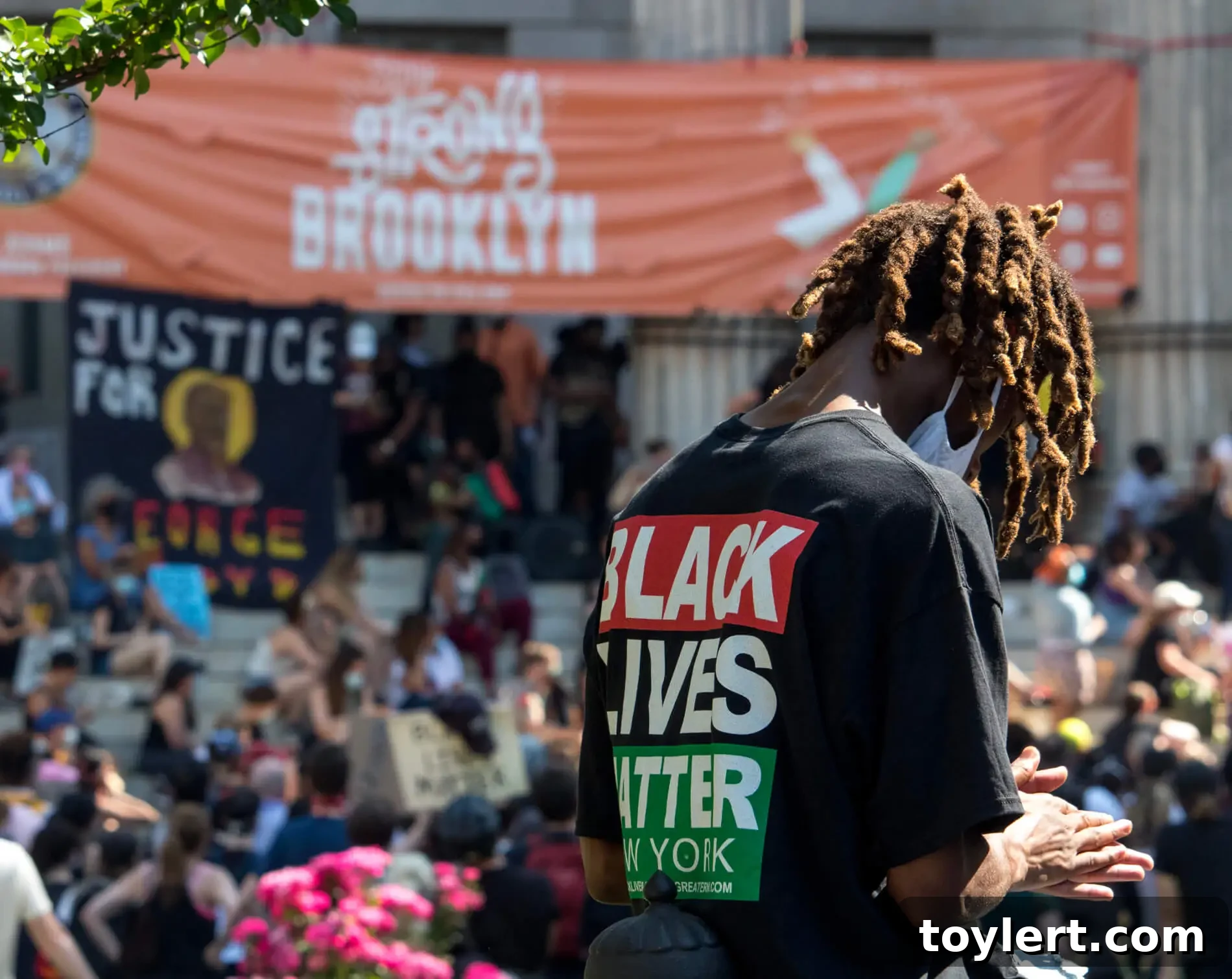
Navigating Change: New York City’s Dual Challenges of Pandemic and Police Reform
As the spring of 2020 unfolded, New York City found itself at the epicenter of unprecedented challenges, grappling with the profound impacts of a global health crisis while simultaneously confronting deep-seated societal issues. The city had entered its thirteenth week of comprehensive sheltering in place orders, a critical measure implemented to curb the rapid spread of the novel coronavirus. This extensive period also marked the fifty-fourth day of mandatory remote learning for New York City’s vast public school system, dramatically transforming daily life for millions of families and fundamentally redefining the educational landscape across all five boroughs.
Beyond the immediate health emergency, a powerful national conversation emerged around police accountability and systemic reform, fueled by widespread protests for racial justice. New York City, a vibrant crucible of diverse communities and often a bellwether for national trends, was at the forefront of this crucial dialogue. The confluence of these two monumental events — a prolonged pandemic response and a surging demand for social and institutional change — created a dynamic, complex, and often challenging environment for policymakers, community leaders, and every individual residing in the metropolis.
The Enduring Impact of COVID-19: A City Under Lockdown and Learning Anew
The prolonged period of “sheltering in place” profoundly reshaped the rhythm of life across New York City’s boroughs. The once bustling streets and vibrant public spaces became eerily quiet, replaced by a new normal where social distancing was paramount. Parks, despite restrictions, became vital escapes for residents, while essential tasks like grocery runs transformed into carefully planned operations. This unprecedented lockdown, stretching into its thirteenth week, rigorously tested the resilience of New Yorkers, pushing individuals, families, and communities to adapt rapidly to new routines and significant lifestyle adjustments. Businesses grappled with mandated closures and severe economic downturns, essential workers emerged as frontline heroes, and the entire economic landscape began a dramatic transformation that would take years to fully comprehend and recover from.
Remote Learning and the Future of Education in NYC
A particularly significant facet of the lockdown experience was the rapid, mandatory shift to homeschooling and remote learning for New York City schools. With an enrollment exceeding one million students, the transition was monumental, presenting both innovative opportunities and immense logistical and pedagogical challenges. For fifty-four consecutive days, dedicated educators, diligent parents, and adaptable students navigated virtual classrooms, digital assignments, and the inherent complexities of learning outside traditional school buildings. This intensive period starkly highlighted the pervasive digital divide, with many families lacking adequate internet access, reliable devices, or suitable home learning environments. These systemic inequities, which existed long before the pandemic, were amplified, underscoring the urgent need for equitable resource distribution.
While remote learning showcased innovative teaching methods and the remarkable adaptability of the educational system, it also sparked crucial debates about sustained student engagement, comprehensive mental health support for young people, and the essential role of physical schools as not just learning centers but also critical community hubs providing meals, social services, and safe spaces. The experience of remote learning in NYC laid critical groundwork for the development of future educational models, forcing a comprehensive reevaluation of technology’s integral role in pedagogy and the imperative for robust support systems for all students. It emphasized the paramount importance of accessible resources, equitable technology distribution, and the ongoing professional development required for educators to thrive in increasingly hybrid learning environments. The COVID-19 pandemic, in essence, acted as a powerful accelerator for digital transformation within the educational sector, prompting long-term strategic planning for resilience against future disruptions and fostering a more inclusive approach to learning.
A Nation’s Call for Justice: Legislative Efforts and Local Reforms
Parallel to the public health crisis that gripped the nation, the United States was simultaneously undergoing an intense and necessary reckoning with deeply ingrained issues of racial injustice and police misconduct. Nationwide protests, ignited by tragic events that garnered international attention, amplified urgent calls for systemic change within law enforcement agencies. In Washington D.C., Congress began actively working on bipartisan legislation aimed at comprehensive policing reform. These significant legislative efforts sought to address various critical aspects of law enforcement operations, including enhancing accountability for officers, establishing clear guidelines for the use of force, reevaluating qualified immunity, and actively promoting community-oriented policing strategies designed to build trust. The national dialogue spurred by these legislative proposals underscored a collective societal desire for greater transparency, robust oversight, and a fundamental redefinition of what constitutes effective public safety in a democratic society.
New York City’s Pledge: Reimagining Public Safety and Community Investment
Closer to home, New York City leaders responded directly and decisively to the growing chorus for change. Mayor Bill de Blasio made significant public commitments, promising to reduce the budget of the New York City Police Department (NYPD) and strategically reallocate those freed-up funds towards vital social programs. This pledge was a direct and substantive response to the “defund the police” movement, which advocates not necessarily for the complete abolition of police but for a thoughtful reallocation of resources from traditional policing to community-based services that proactively address the root causes of crime and social instability. Such programs typically include enhanced mental health support, robust housing initiatives, improved educational resources, and comprehensive youth development programs. The underlying concept is to invest in preventative measures and alternative response mechanisms that can significantly reduce reliance on armed officers for non-violent situations, thereby fostering a more holistic approach to public safety.
One particularly tangible idea emerging from these intensive discussions was the innovative proposal to hire civilians for specific police desk jobs. This initiative aims to strategically free up uniformed officers from time-consuming administrative tasks and other non-enforcement duties, allowing them to focus more intently on core policing responsibilities and community engagement. Simultaneously, this approach creates valuable employment opportunities for community members and holds the potential to foster better, more collaborative relations between the public and the police department. Civilianization could bring new perspectives, diverse skills, and specialized expertise to the NYPD, streamline operational efficiency, and enhance overall effectiveness, aligning perfectly with broader goals of modernizing the force and ensuring that officers are deployed where their specialized training and expertise are most critically needed for public safety and order.
The Interplay of Crises: Building a More Resilient and Equitable City
The simultaneous experience of a global health pandemic and a powerful movement for social justice created a unique and intense crucible for New York City. The COVID-19 crisis profoundly exposed and exacerbated existing inequalities in healthcare access, housing stability, and economic opportunity, disproportionately affecting Black and brown communities within the city. These same communities have historically borne the brunt of over-policing and systemic injustice, making the calls for comprehensive reform even more urgent and intrinsically interconnected. The pandemic, by shining a light on these disparities, provided a stark backdrop against which the demands for police reform gained even greater resonance and momentum.
The commitment to strategically reallocate NYPD funds towards essential social programs represents a holistic and forward-thinking approach to public safety. By making substantial investments in areas like accessible mental health services, affordable housing solutions, robust educational resources, and effective job training initiatives, the city aims to address the underlying societal factors that often contribute to crime and social instability. This significant policy shift reflects a growing recognition that true safety extends far beyond traditional law enforcement and encompasses the comprehensive well-being and prosperity of all its citizens. Such comprehensive strategies are absolutely vital for fostering long-term urban resilience and ensuring that New York City emerges from these dual crises not just recovered, but transformed into a stronger, more equitable, and just place for everyone.
The ongoing discussions around police reform in New York City are not merely about adjusting budget numbers; they are fundamentally about reimagining the role of policing in a diverse, democratic society. These discussions involve actively engaging with a wide array of community leaders, attentively listening to the voices of those most impacted by current policing practices, and boldly experimenting with innovative solutions. From expanding specialized crisis intervention teams to implementing data-driven strategies for de-escalation, the multifaceted path to comprehensive reform requires sustained effort, genuine collaboration, and a willingness to adapt. The ultimate goal is to build enduring trust between law enforcement and the diverse communities they are sworn to serve, ensuring that justice is administered fairly, consistently, and that all New Yorkers feel genuinely safe, respected, and heard within their own city.
This period of intense scrutiny and profound transformation extends far beyond immediate policy changes. It actively encourages a broader cultural shift within the NYPD itself, fostering an environment characterized by increased accountability, greater transparency, and profound empathy. Training protocols, recruitment practices, and internal review processes are all under comprehensive examination to ensure they align effectively with the city’s evolving vision of public safety and community partnership. The active and sustained involvement of various community groups and advocacy organizations is instrumental in driving these critical discussions forward, holding institutions accountable, and shaping policies that truly reflect the diverse needs and aspirations of New York’s incredibly rich and varied population. This collaborative approach is absolutely essential for establishing sustainable and effective models of community policing that consistently prioritize human dignity, social equity, and overall well-being.
Looking Ahead: Charting a Course for Recovery and Reform
New York City stands at a critical juncture, navigating the complex and intertwined pathways of post-pandemic recovery and comprehensive societal reform. The profound lessons learned from months of unprecedented lockdown have highlighted the paramount importance of robust public health infrastructure, resilient social safety nets, and highly adaptive educational systems. Simultaneously, the impassioned and widespread calls for police reform have unequivocally underscored the urgent need for equitable justice, meaningful community empowerment, and a fundamentally reimagined approach to public safety that serves all residents equally.
The city’s pioneering initiatives, such as the strategic reallocation of NYPD funds and the thoughtful integration of civilian personnel into administrative and supportive roles, represent concrete and decisive steps towards realizing these ambitious goals. These changes are not isolated policies but rather integral components of a much larger, overarching vision for a more just, resilient, and inclusive urban environment. The journey ahead will undoubtedly be long and complex, requiring ongoing open dialogue, adaptive strategies, and a steadfast, unwavering commitment from all stakeholders involved in shaping the future of New York City.
As New Yorkers gradually emerge from their homes and schools slowly but surely reopen, the spirit of collective action, vibrant community engagement, and passionate advocacy that so powerfully defined this tumultuous period will continue to shape the city’s future trajectory. The powerful convergence of a global health crisis and a national awakening on critical social justice issues has created an indelible mark, compelling the city to build back not merely to its former state, but towards a more equitable, sustainable, and inclusive future for all its diverse residents. The transformative potential of these dual challenges, when met with deliberate, compassionate, and visionary policy-making, holds the profound promise of a revitalized New York City that leads by powerful example in effectively addressing the multifaceted complexities of the 21st century and beyond.
1 | 2 | 3 | 4 Single Page