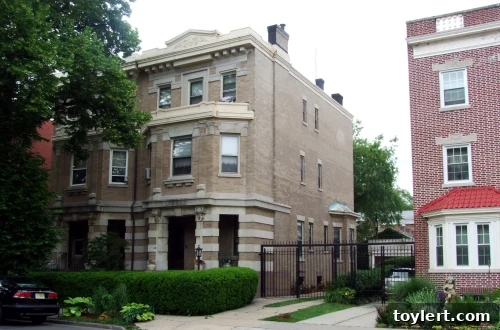
Discovering Brooklyn’s Enduring Charm: The Architectural Legacy of Semi-Detached Row Houses
Brooklyn, a borough renowned for its rich history and distinctive neighborhoods, captivates residents and visitors alike with its unparalleled architectural tapestry. Far from being a mere collection of structures, Brooklyn’s buildings tell stories of growth, migration, and changing urban ideals. Among its most beloved and iconic residential forms are the semi-detached row houses – architectural gems that strike a unique balance between communal living and individual space. These homes, often adorned with intricate details and boasting timeless appeal, are integral to the borough’s identity, defining picturesque blocks and fostering a strong sense of community, one building at a time.
The Quintessential Brooklyn Residence: Understanding Semi-Detached Row Houses
To truly appreciate Brooklyn’s urban landscape, it’s essential to understand the typology of its residential buildings. While brownstones and fully attached row houses are widely recognized, semi-detached row houses offer a distinct character. Unlike their fully attached counterparts, these homes share only one common wall with an adjacent building, leaving three sides exposed to natural light and air. This crucial difference often allows for side yards, larger windows, and increased privacy, contributing to a more spacious and open feel within the dense urban fabric. These properties represent a unique segment of Brooklyn real estate, appealing to those seeking more space and natural light than traditional row houses, without the full maintenance of a completely detached home.
The term “row house” generally refers to a series of homes built in a uniform style, typically sharing common walls. The “semi-detached” variant emerged as a popular choice for urban development in the late 19th and early 20th centuries, providing a middle ground between the expansiveness of a detached single-family home and the efficiency of a fully attached row house. This architectural solution proved ideal for developing suburbanizing areas within the city limits, offering homeowners a blend of urban convenience and a touch of suburban tranquility. Their prevalence in neighborhoods like Flatbush and Midwood underscores their role in Brooklyn’s historical development.
A Journey Through Time: The Historical Roots of Brooklyn’s Semi-Detached Homes
The construction boom that transformed Brooklyn from a collection of towns into a bustling urban center saw the rise of various residential styles. Semi-detached row houses predominantly flourished during the late Victorian and early 20th-century eras, reflecting the evolving tastes and economic conditions of the period. As the borough expanded and transportation improved, middle and upper-middle-class families sought residences that offered more space and light than the earlier, denser row houses, yet were more affordable and manageable than sprawling detached mansions.
Neighborhoods like Ditmas Park, Prospect Park South, and parts of Flatbush and Midwood became fertile ground for these developments. Builders and speculative developers often constructed entire blocks, meticulously designing facades that showcased a variety of popular architectural styles of the time. Influences ranged from Queen Anne and Romanesque Revival to Colonial Revival and Neo-Georgian, each contributing unique decorative elements and massing to the streetscape. These Brooklyn homes were often built with high-quality materials, including brick, limestone, and terra cotta, ensuring their longevity and enduring beauty. The careful planning and execution of these residential streets created cohesive and aesthetically pleasing urban environments that endure to this day, forming a critical part of Brooklyn’s architectural heritage.
Architectural Marvels: Distinctive Features of Semi-Detached Row Houses
What makes a semi-detached row house in Brooklyn so captivating? Beyond their functional layout, these homes are often celebrated for their intricate architectural details and thoughtful design. A typical semi-detached row house often features a combination of aesthetic and practical elements that enhance their desirability and historical value:
- Distinctive Stoops and Entrances: Grand stoops, often made of brownstone or limestone, provide an elegant entry point and a transitional space between the public street and private residence. Elaborate doorways with transom windows, sidelights, and decorative surrounds are common, often serving as a focal point of the facade.
- Abundant Natural Light: The crucial advantage of having an exposed side wall means more windows, allowing significantly more natural light to flood interior spaces compared to fully attached homes. This enhances interior brightness and offers better ventilation, a highly valued attribute in urban living.
- Bay Windows and Turrets: Many examples incorporate projecting bay windows, especially on the front facade, adding architectural interest and expanding interior living areas. These often span multiple stories, providing panoramic views of the tree-lined streets. Some grander examples might even feature small turrets, particularly in Queen Anne style homes, adding a picturesque quality.
- Ornate Facade Details: Decorative elements such as patterned brickwork, carved stone lintels, decorative cornices, leaded glass, and intricate wrought iron railings are hallmarks of these period homes, showcasing the exceptional craftsmanship of their era. These details vary widely across styles, from the robust Romanesque to the delicate Queen Anne, each contributing to the unique character of Brooklyn’s streetscapes.
- Gardens and Side Yards: The extra space gained from being semi-detached often translates into valuable side yards or larger rear gardens, providing residents with coveted outdoor space for relaxation, gardening, or entertaining. This private green oasis is a significant draw for urban dwellers seeking connection to nature.
- Spacious Interiors: Typically spanning three to four stories, these homes offer generous living areas, multiple bedrooms, high ceilings, and often original architectural details inside, such as decorative fireplaces, hardwood floors, and elaborate millwork. The layouts are designed for comfortable family living, often featuring formal parlors and dining rooms.
The Enduring Appeal: Why Brooklynites Cherish Semi-Detached Living
The allure of semi-detached row houses in Brooklyn extends beyond their aesthetic appeal. For many, these homes represent an ideal blend of urban convenience and suburban comfort. The extra space and light contribute to a more serene living environment, a valuable commodity in a bustling city. The presence of a side yard or larger garden offers a private green oasis, enhancing quality of life significantly and providing a tranquil retreat from city life.
Moreover, these homes foster a strong sense of community. While offering more privacy than fully attached homes, their configuration on tree-lined streets encourages neighborly interactions and a cohesive neighborhood feel. The historical character of these blocks also contributes to a unique sense of place, allowing residents to feel connected to Brooklyn’s storied past while enjoying modern amenities. The pride of homeownership in such a distinctive and historically rich environment is a powerful draw for Brooklynites.
A Glimpse at 91-93 Midwood Street: An Archetypal Example
The pair of semi-detached row houses at 91-93 Midwood Street serves as an excellent illustration of these architectural principles. Located in the historic Flatbush section of Brooklyn, these homes embody the charm and grandeur characteristic of the late 19th and early 20th-century residential development in the area. While specific details of their original occupants or architects might be lost to time for a general overview, their very existence speaks volumes about the planned urban expansion and aesthetic values of the era. These particular properties stand as a testament to the enduring quality and thoughtful design prevalent in Brooklyn’s historic residential construction.
Midwood Street, like many thoroughfares in its vicinity, showcases a harmonious blend of various architectural styles, often with each block presenting a slightly different interpretation of common themes. The specific design of 91-93 Midwood Street, as suggested by its typology, would likely feature prominent bay windows, a stately stoop, and an emphasis on robust, high-quality materials such as brick or stone. These details, common to semi-detached homes of its period, would have been designed to convey a sense of permanence and respectable prosperity, reflecting the aspirations of the middle and upper-middle-class families who settled in these burgeoning neighborhoods.
The setting on Midwood Street itself is indicative of the broader appeal. Tree-lined streets, proximity to parks, and access to evolving transit lines made such locations highly desirable. These homes weren’t just structures; they were part of a larger vision for a livable, beautiful Brooklyn, offering families a chance to thrive in a well-appointed urban environment with a touch of green space. Their placement within a vibrant community underscores the integrated approach to urban planning during this transformative period in Brooklyn’s history.
Preserving a Precious Legacy: Maintaining Brooklyn’s Architectural Heritage
The enduring popularity and historical significance of Brooklyn’s semi-detached row houses necessitate ongoing efforts for their preservation. Many of these homes are located within designated historic districts, providing a layer of protection against inappropriate alterations or demolition. Homeowners and local community groups play a vital role in maintaining the original character of these buildings, often undertaking meticulous renovations to restore facades, preserve interior details, and update infrastructure while respecting historical integrity. This commitment ensures that the architectural narratives embedded in these structures continue to enrich the urban fabric for future generations.
Preservation is not merely about aesthetics; it’s about safeguarding the tangible history of Brooklyn. These homes are living museums, each brick and window pane whispering tales of generations past. They contribute immeasurably to the borough’s unique identity, making it a desirable place to live and visit. Challenges include the cost of restoration, navigating historical regulations, and balancing modern living needs with historical accuracy, but the commitment to preserving these architectural treasures remains strong, supported by dedicated residents and preservation societies alike.
Investing in Brooklyn’s Heritage: Real Estate and the Future
From a real estate perspective, semi-detached row houses in Brooklyn continue to be highly sought-after properties. Their unique combination of space, light, privacy, and historical charm makes them a premium choice for buyers. The demand for homes with outdoor space, especially since recent global events, has further elevated their desirability. Investing in a semi-detached row house in Brooklyn is often seen as not just buying a home, but acquiring a piece of the city’s rich heritage, a tangible connection to its past and a secure asset for the future.
The market for these properties reflects their intrinsic value, with homes in well-preserved neighborhoods often commanding significant prices. However, they also offer immense potential for customization and modernization, allowing owners to blend historical character with contemporary comforts and amenities. As Brooklyn continues to evolve as a dynamic urban center, these stately homes stand as testaments to its past, while continually adapting to the needs of its future residents, embodying a timeless appeal that ensures their continued prominence in the Brooklyn real estate landscape.
Conclusion: The Undeniable Allure of Brooklyn’s Semi-Detached Gems
Brooklyn’s semi-detached row houses are more than just buildings; they are cornerstones of its architectural identity and cultural fabric. They embody a perfect blend of historical grandeur, practical urban living, and community spirit. From their origins in a booming late 19th-century city to their esteemed status today, these homes continue to define some of Brooklyn’s most cherished streetscapes, offering residents a unique and desirable lifestyle. As we admire their intricate details and appreciate their spacious layouts, we celebrate the ongoing legacy of Brooklyn, one meticulously preserved, semi-detached building at a time, ensuring its architectural narrative continues to thrive.