The End of an Era: Horseman Antiques Closes, Atlantic Avenue’s Historic Antiques Row Fades
The End of an Era: Horseman Antiques Closes, Atlantic Avenue’s Historic Antiques Row Fades
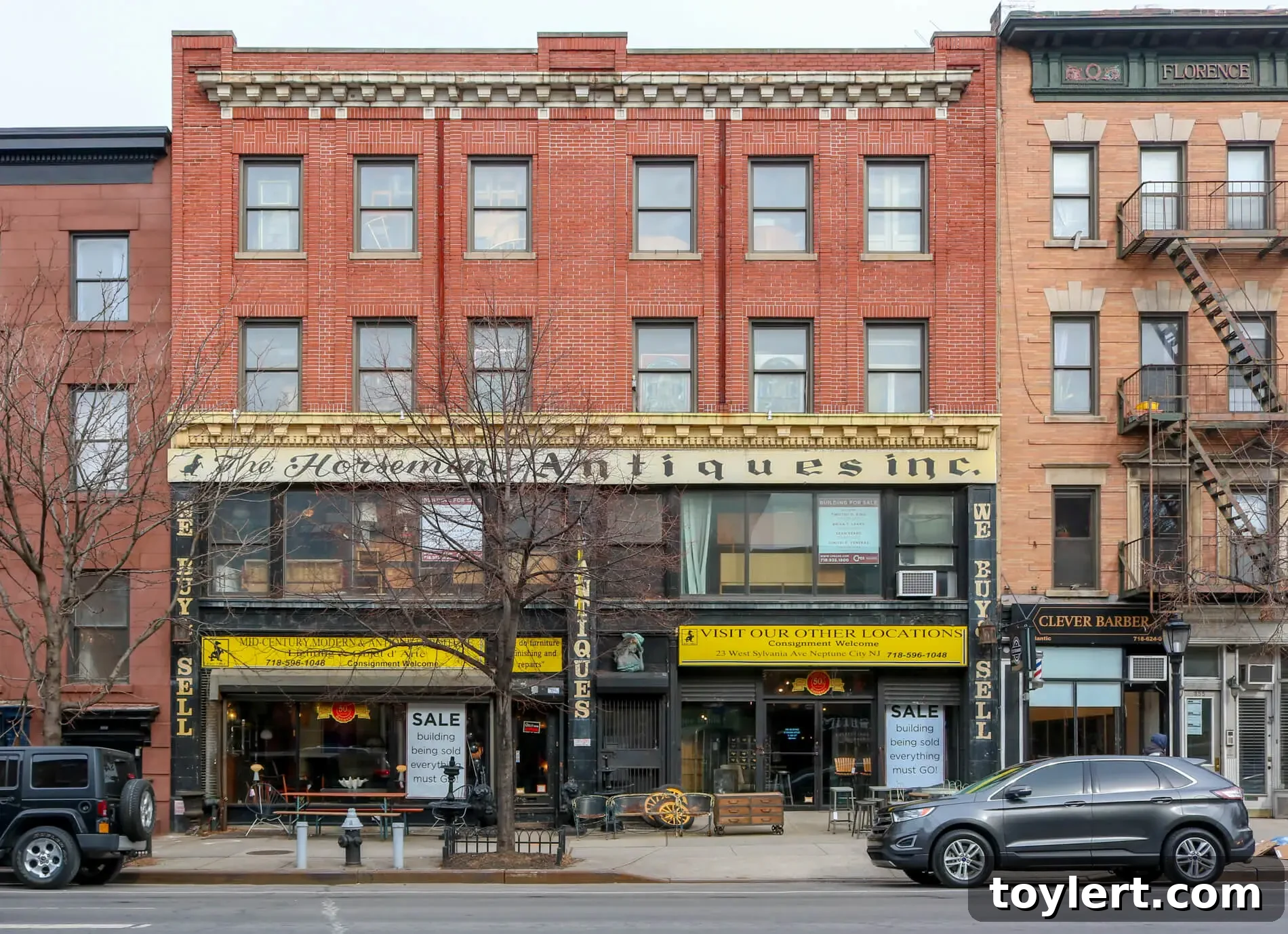
Atlantic Avenue in Brooklyn is on the cusp of a significant transformation as Horseman Antiques, a cherished and iconic institution, prepares to close its doors for good. After 53 years of serving as a beacon for antique enthusiasts and a cornerstone of the neighborhood’s unique charm, the sprawling 18,000-square-foot building at 351 Atlantic Avenue has been sold for a staggering $18 million. This monumental sale, confirmed by owner Donald Gianchetta, signifies more than just a change of ownership; it marks the definitive end of an era, officially concluding Atlantic Avenue’s long-held identity as Brooklyn’s premier antiques row.
For decades, speculation has surrounded the future of this venerable establishment and its proprietor. Now, with the imminent closure set to occur within the next nine months, the reality of a changing urban landscape is undeniable. The departure of Horseman Antiques is not merely the loss of a single business; it symbolizes a broader shift in Brooklyn’s retail and cultural fabric, highlighting the ongoing evolution of its historic neighborhoods like Boerum Hill.
A Storied Legacy: Horseman Antiques and Its Enduring Charm
Founded over half a century ago, Horseman Antiques was far more than just a store; it was an immersive experience. Stepping inside its cavernous space was akin to embarking on a treasure hunt through history. Every nook and cranny of the 18,000-square-foot building at 351 Atlantic Avenue was packed with an eclectic array of furniture, art, lighting, and curiosities from different periods and cultures. From ornate Victorian pieces to sleek mid-century modern designs, the inventory was vast, ever-changing, and meticulously curated. It attracted decorators, serious collectors, and curious passersby from across the city, the nation, and even internationally.
Under the consistent stewardship of Donald Gianchetta, Horseman Antiques cultivated a reputation for authenticity, quality, and a distinct character that became increasingly rare in a rapidly modernizing city. Gianchetta himself was a figure synonymous with the store, his dedication ensuring that Horseman Antiques remained a touchstone for unique finds throughout its impressive 53-year tenure. The store wasn’t just a place of commerce; it was a living repository of stories, a tangible link to bygone eras that profoundly enriched the cultural landscape of Atlantic Avenue and the wider Boerum Hill community.
Atlantic Avenue’s Transformation: From Antiques Row to Modern Hub
The closure of Horseman Antiques carries particular weight because it represents the final chapter in the story of Atlantic Avenue as a vibrant “antiques row.” For many years, this bustling thoroughfare was synonymous with a diverse collection of independent antique shops, unique art galleries, and specialty stores that collectively made it a prime destination for those seeking vintage treasures. It was a place where one could easily spend an entire afternoon browsing, discovering hidden gems, and soaking in an atmosphere rich with historical intrigue.
Over the past few decades, other notable establishments that once thrived alongside Horseman Antiques have gradually faded away. Factors such as escalating rents, evolving consumer habits, and the increasing dominance of online retail platforms have steadily eroded the traditional brick-and-mortar antiques market. Horseman Antiques, with its immense footprint and deeply rooted presence, stood as the last major sentinel of this once-flourishing industry segment on Atlantic Avenue. Its impending departure leaves a palpable void that will be difficult, if not impossible, to fill, officially concluding a significant chapter in Brooklyn’s commercial and cultural history.
The $18 Million Transaction: A Reflection of Brooklyn’s Dynamic Real Estate Market
The sale of the sprawling 18,000-square-foot building for a formidable $18 million dramatically underscores the relentless growth and escalating value of real estate in Brooklyn, particularly in coveted neighborhoods like Boerum Hill. This transaction is not merely about a change of ownership for an antique store; it serves as a powerful indicator of the intense development pressures and robust investment interest that continue to reshape the borough. The substantial price tag reflects the prime location of 351 Atlantic Avenue, its generous square footage, and the immense potential for high-value redevelopment in an area that has witnessed a dramatic economic and demographic transformation over recent years.
For a considerable period, the rumor mill churned with speculation regarding Donald Gianchetta’s plans for the property. These discussions often revolved around the inherent challenges faced by large-scale independent retailers in an era of soaring operating costs, property taxes, and increasingly competitive markets. The decision to sell, while perhaps anticipated by those closely following Brooklyn’s real estate trends and the owner’s long tenure, still sends ripples through the community. It highlights the difficult choices many legacy business owners face when balancing decades of historical legacy with the stark financial realities of a rapidly appreciating urban environment. The nine-month grace period before the final closure offers a brief window for loyal patrons to revisit and for the broader community to process this significant and emotional transition.
Boerum Hill’s Transformation: A Broader Urban Narrative of Change
The closing of Horseman Antiques is an emblematic event within the broader narrative of Brooklyn’s ongoing gentrification and extensive urban development. Boerum Hill, once a quieter residential neighborhood characterized by brownstones and a distinct local charm, has experienced a significant influx of new residents, contemporary businesses, and luxury developments. This influx has undoubtedly brought economic revitalization and increased property values, but it has also led to the displacement of long-standing establishments and a noticeable shift in the area’s cultural identity.
Atlantic Avenue itself has become a vivid microcosm of this profound change. While still retaining a scattering of independent shops, it increasingly hosts high-end boutiques, national chain stores, trendy cafes, and newly constructed residential buildings that cater to the tastes and spending power of new demographics. The loss of Horseman Antiques, with its deep historical roots and unique offering, contributes to a perceived homogenization of commercial streets, where local distinctiveness and independent spirit are gradually replaced by more universal, often corporate, retail experiences. This transformation raises important questions about sustainable urban planning, cultural preservation, and the delicate balance between economic progress and maintaining cherished community heritage.
What Lies Ahead: The Future of 351 Atlantic Avenue
With Horseman Antiques preparing to vacate its immense longtime home, attention now squarely turns to the future of the expansive 18,000-square-foot property at 351 Atlantic Avenue. While specific plans for the site have not been publicly disclosed by the new owners, the $18 million sale price strongly suggests a high-value redevelopment. Given the prevailing real estate trends in Boerum Hill and surrounding neighborhoods, it is highly probable that the space will be reimagined for luxury residential units, a sophisticated mixed-use development combining ground-floor retail with upscale apartments, or a large-scale commercial venture designed to attract contemporary tenants. The sheer size and prime location of the building offer substantial potential for new construction or a comprehensive overhaul of the existing structure.
This impending change is likely to further redefine the streetscape of Atlantic Avenue, introducing new architectural styles, diversified commercial offerings, and potentially new residential demographics to an already rapidly evolving corridor. While new developments can bring economic benefits, such as jobs and modernized infrastructure, they also invite scrutiny regarding their seamless integration with the existing community fabric and their capacity to preserve a sense of place. The repurposing of such a historically significant and prominent site will undoubtedly be closely watched by long-time residents, urban planners, real estate professionals, and history enthusiasts alike.
Conclusion: A Farewell to History, A Glimpse into the Future
The impending closure of Horseman Antiques is a poignant moment for Brooklyn, marking the definitive end of Atlantic Avenue’s storied tenure as an antiques row. For 53 years, Donald Gianchetta’s establishment served not just as a store, but as a cultural landmark, a vibrant repository of history, and a testament to the enduring appeal of unique, vintage finds. Its $18 million sale is a clear and powerful indicator of the formidable economic forces at play in Boerum Hill and across Brooklyn, where historical legacies are increasingly weighed against the immense financial value of prime urban real estate.
As we bid a heartfelt farewell to Horseman Antiques, we acknowledge the loss of a distinctive piece of Brooklyn’s retail soul and a beloved community institution. Yet, this profound transition also ushers in a new chapter for Atlantic Avenue, one that will undoubtedly bring further development, fresh opportunities, and continued change. The story of Horseman Antiques stands as a powerful reminder of the delicate balance between preserving urban heritage and embracing the inevitable march of progress in a dynamic and ever-evolving city. Its closure invites thoughtful reflection on what we truly value in our urban spaces and how we collectively navigate the continuous evolution of our cherished neighborhoods.