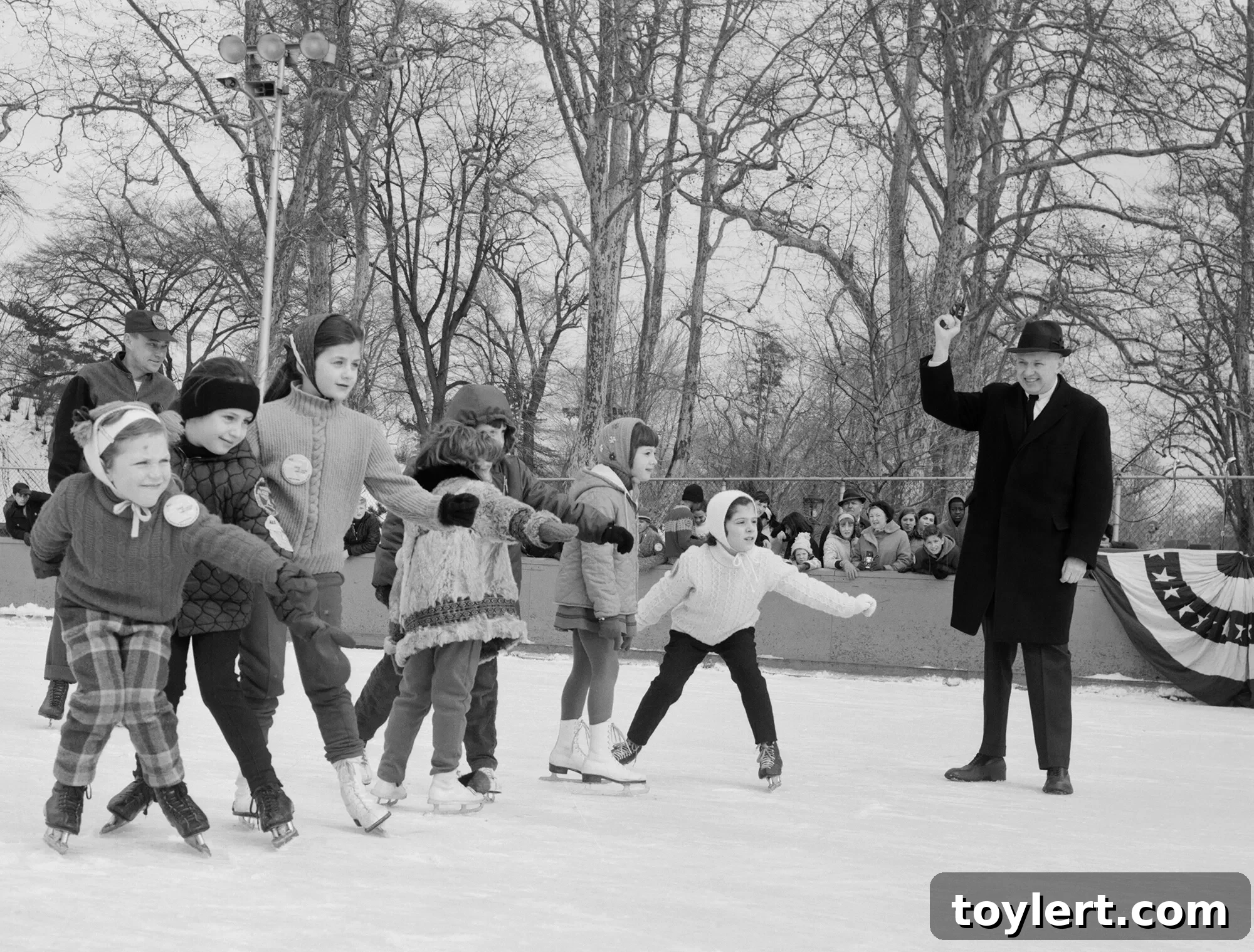
As the crisp air of winter settles over New York City, the arrival of chilly weather doesn’t signal an end to outdoor adventures in Brooklyn. Instead, it ushers in a beloved season of frosty fun, deeply rooted in the borough’s history and community spirit. For generations, residents of Brooklyn have embraced the winter chill by taking to the ice of Prospect Park, transforming its serene landscapes into vibrant canvases of movement and joy. This cherished tradition allows Brooklynites to celebrate the wintery season, engage in invigorating sporty activities, and revel in the midst of a truly bucolic urban oasis. The sight of skaters gracefully gliding across frozen waters, framed by snow-dusted trees, has inspired countless memories and continues to be a highlight of the colder months. Here, we delve into the rich history of ice skating in Prospect Park, drawing inspiration from vintage images that capture the timeless allure of this quintessential Brooklyn winter experience.
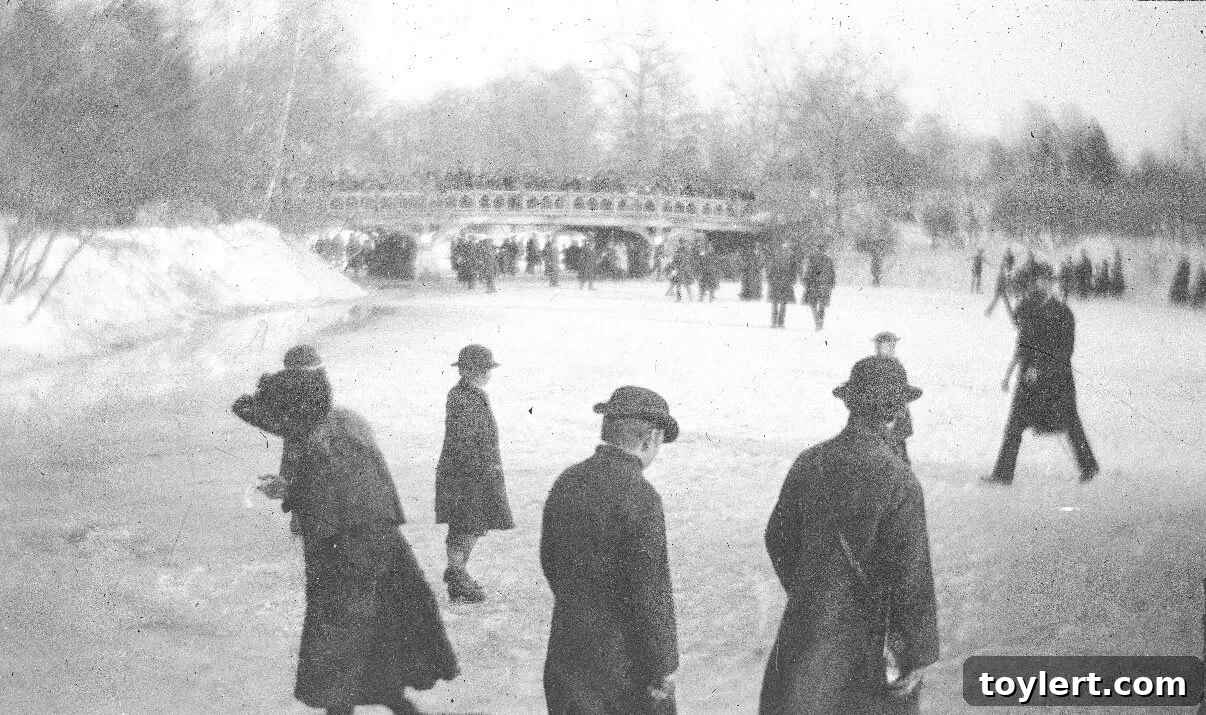
The early days of ice skating in Prospect Park were beautifully documented by Brooklynite George Bradford Brainerd. An accomplished engineer by profession and a passionate amateur photographer, Brainerd began experimenting with photography at a young age, leaving behind an invaluable legacy of thousands of images. Among his vast collection are some of the earliest and most evocative views of ice skaters enjoying the frozen expanses of Prospect Park. His photographs offer a rare window into 19th-century Brooklyn life, particularly the lively winter scenes that transformed the park into a social hub. During this era, as winter evenings descended, skaters would pack the park in droves. According to author David P. Colley in “Prospect Park: Olmsted and Vaux’s Brooklyn Masterpiece,” hundreds of figures could be seen “swirling along the Lullwater, lit by the soft amber lights of lanterns.” This vivid description paints a picture of a vibrant, almost magical atmosphere, where the simple act of skating became a grand spectacle and a cherished community ritual.
The park’s designers, Frederick Law Olmsted and Calvert Vaux, envisioned Prospect Park as a democratic landscape, a place where all citizens could find beauty, recreation, and solace. Even in their wildest dreams, they might not have fully anticipated the sheer popularity of ice skating on the Lullwater and other frozen bodies of water within their meticulously crafted urban masterpiece. These 19th-century skating gatherings were more than just athletic pursuits; they were significant social events. People would arrive dressed in their finest winter attire, eager to show off their skills, socialize with friends and neighbors, and perhaps even strike up new acquaintances. The soft glow of lanterns, the crisp winter air, and the joyful sounds of laughter and chatter created an unforgettable experience, cementing Prospect Park’s reputation as the ultimate winter destination for Brooklynites. These gatherings fostered a sense of community and shared delight, making the harsh winter months something to eagerly anticipate rather than merely endure.
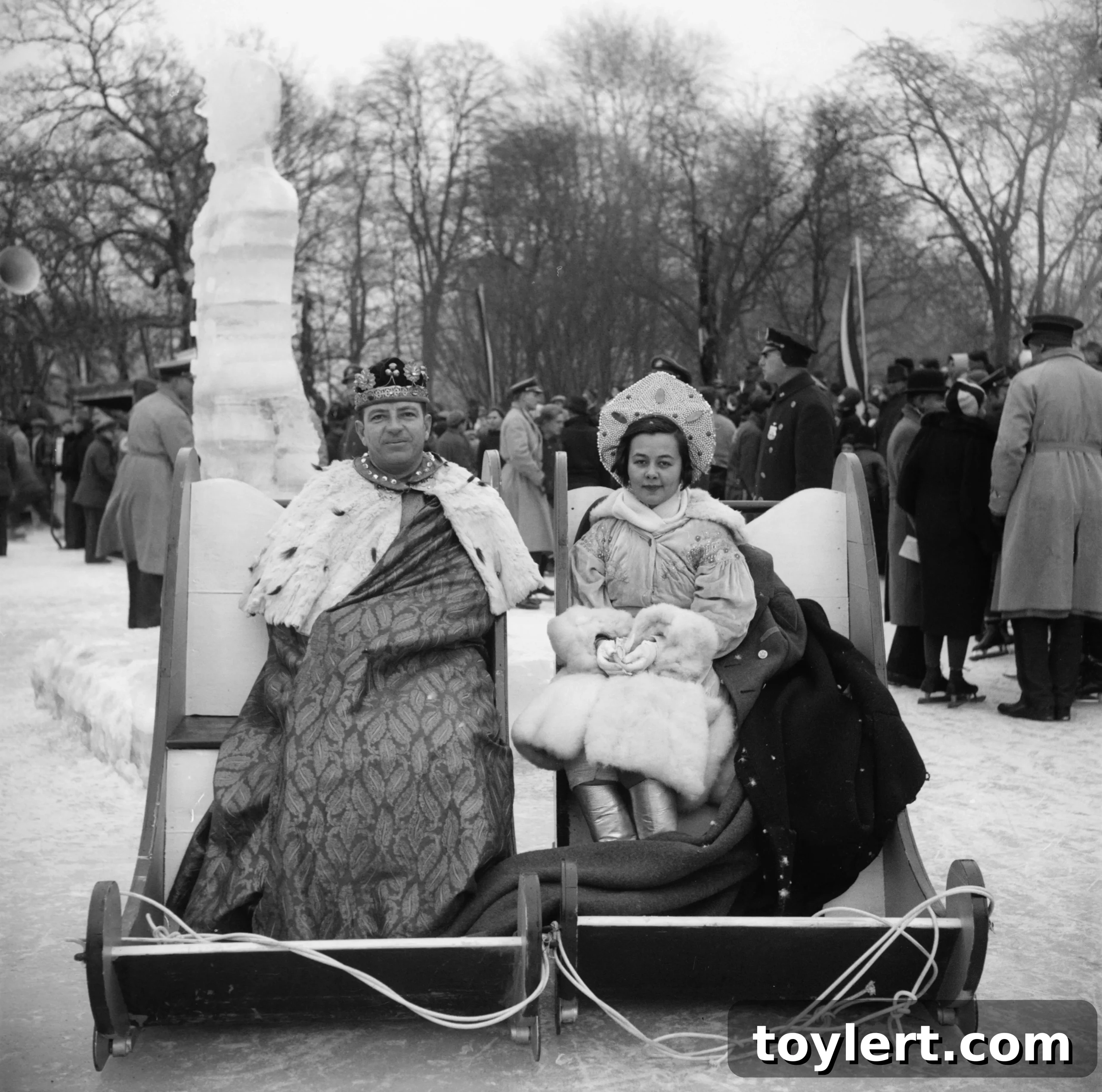
Moving into the 20th century, the tradition of ice skating in Prospect Park evolved into even grander celebrations. Throughout the 1930s and 1940s, when Mother Nature was particularly cooperative and delivered sustained periods of cold weather, the New York City Department of Parks seized the opportunity to throw spectacular ice carnivals. These were not merely skating sessions; they were elaborate community festivals designed to celebrate the frozen beauty of the lake. Complete with thrilling skating competitions, dazzling demonstrations, and the much-anticipated crowning of a festival king and queen, these carnivals became monumental events on Brooklyn’s winter calendar. They offered a much-needed morale boost during challenging times, bringing thousands of people together for shared enjoyment and spirited competition.
The allure of these events was immense. According to reports in the Brooklyn Daily Eagle, the ice carnival held in February 1936, for instance, drew an astonishing 5,000 spectators. These enthusiastic crowds gathered to witness skaters race towards the finish line, their blades carving elegant paths across the ice, and to cheer on the newly crowned royalty. Walter Schoenfeld and Anita A. Pagliuca were bestowed with the prestigious titles of King and Queen, embodying the festive spirit of the occasion. The crowning ceremony was a highlight, a moment of community pride and pageantry that captured the hearts of onlookers. Such events transformed the frozen lake into a vibrant stage, showcasing both athletic prowess and community solidarity.
However, the grand scale of these carnivals meant they weren’t annual occurrences. Their staging was entirely dependent on the weather, requiring a prolonged cold snap sufficient to freeze the expansive lake of Prospect Park to a safe depth. This unpredictability only heightened the excitement and anticipation when conditions were finally right. The Brooklyn Daily Eagle further noted that the next major carnival after 1936 wasn’t held until 1940. This return was met with immense enthusiasm, as a staggering 45,000 cold weather enthusiasts flocked to the park to celebrate the long-awaited return of the ice. Such turnouts underscore the deep cultural significance of these carnivals and the profound joy they brought to the community, serving as vibrant symbols of Brooklyn’s resilience and its enduring love for winter pastimes.
While the large-scale, weather-dependent ice carnivals of yesteryear might be less common today, the spirit of ice skating in Prospect Park remains as strong as ever. The park has adapted to modern times, offering reliable and accessible ice-skating experiences for contemporary Brooklynites. The construction of state-of-the-art facilities like the Samuel J. and Ethel LeFrak Center at Lakeside has ensured that the tradition of winter recreation on the ice can continue regardless of the fickle winter weather. This magnificent facility, opened in 2013, boasts two outdoor rinks, one covered and one uncovered, providing ample space for skaters of all ages and skill levels. It offers a variety of programs, including public skating, figure skating, hockey, and even broomball, making it a true hub for winter sports.
The LeFrak Center stands as a testament to the enduring vision of Olmsted and Vaux, offering year-round activities that seamlessly blend with the park’s natural beauty. In winter, it becomes the beating heart of Prospect Park’s cold-weather offerings, drawing families, couples, and individuals seeking outdoor fun. Skaters can enjoy the invigorating exercise, the crisp air, and the stunning backdrop of the park’s snow-covered landscape. It bridges the gap between the nostalgic images of past generations gracefully gliding on natural ice and the modern desire for structured, accessible recreational opportunities. The laughter and camaraderie that fill the air at the LeFrak Center echo the joyful sounds from the 19th-century Lullwater and the spirited carnivals of the 1930s, proving that some traditions are simply timeless.
Beyond ice skating, Prospect Park truly transforms into a winter wonderland, offering a plethora of activities for everyone to enjoy. When blankets of snow cover its rolling hills and majestic trees, the park becomes a picturesque haven for sledding, particularly at popular spots like Lookout Hill and the Long Meadow. Cross-country skiers find serene trails through the pristine landscape, while winter walkers can explore the peaceful paths, enjoying the quiet beauty and spotting wintering birds. The park’s diverse ecosystems, from the peaceful woodlands to the frozen lake, take on a new, serene beauty during the colder months, providing a unique escape from the urban hustle and bustle.
Ultimately, Prospect Park continues to serve as an indispensable urban oasis, particularly during the winter. It encourages residents to embrace the colder temperatures and discover the unique charm and invigorating joy of outdoor activities. The vintage images of Brooklynites on the ice are not just historical artifacts; they are an invitation, a reminder that the thrill of gliding across ice, the warmth of community gatherings, and the sheer beauty of nature in winter are traditions that continue to enrich our lives. So, this winter, bundle up, head to Prospect Park, and become a part of its ongoing story, creating new memories while connecting with a rich and vibrant past. Whether you’re perfecting your pirouettes or simply enjoying a leisurely glide, the magic of ice skating in Brooklyn’s backyard awaits.