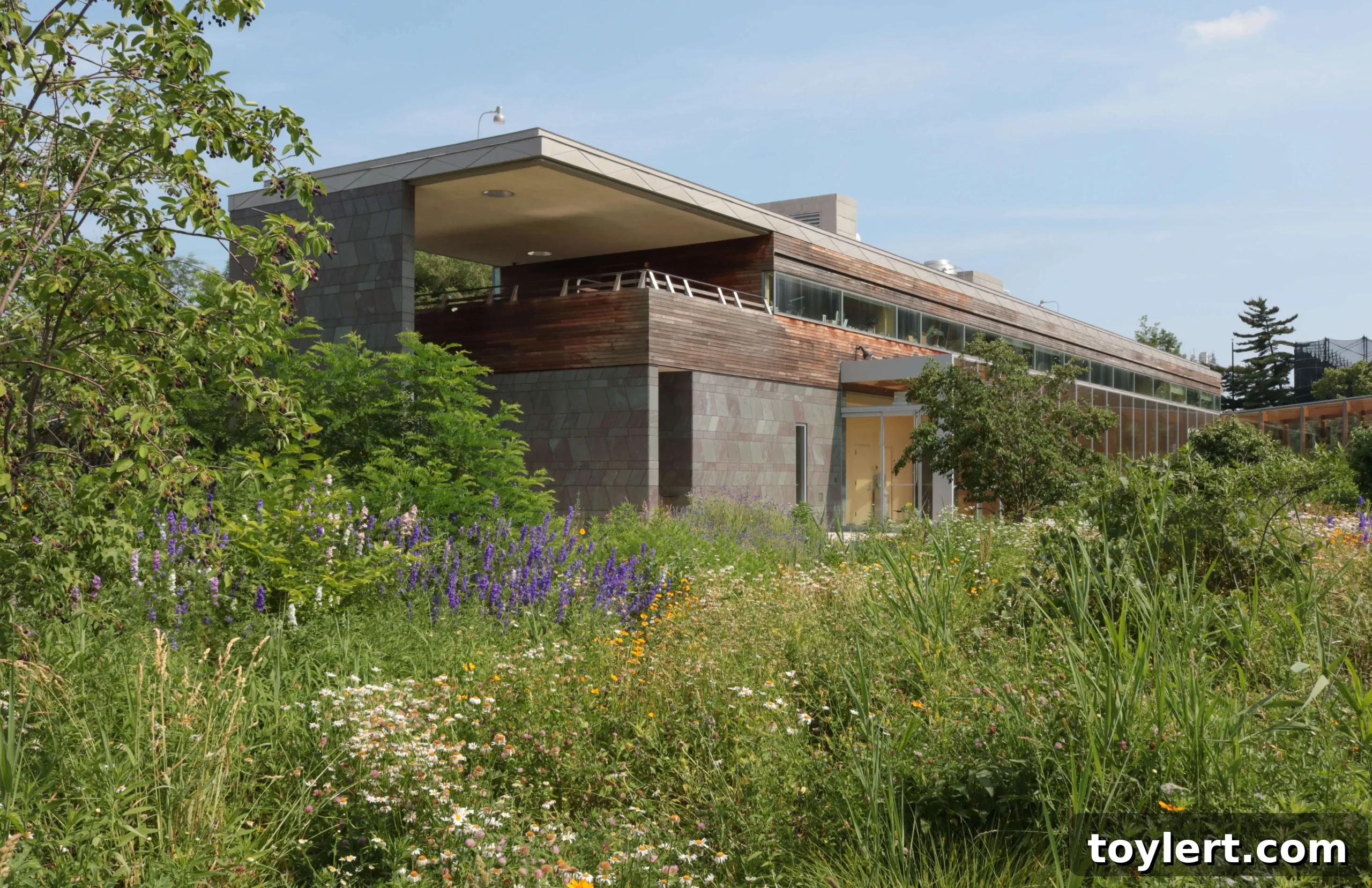
The Weeksville Heritage Center: A Crucial Black Cultural Institution Faces Imminent Closure
The future of the Weeksville Heritage Center, a beacon of African American history and culture nestled in the heart of Brooklyn, hangs precariously in the balance. This revered institution, dedicated to preserving the legacy of one of America’s first free black communities, is facing an unprecedented financial crisis that could force its doors to close permanently as early as July.
An Urgent Plea from Leadership
The stark reality of the situation was conveyed with urgent gravity by Rob Fields, the organization’s President and Executive Director, in a recent email to supporters. His message painted a grim picture of the challenges confronting the institution: “Rising operating costs and the challenging fundraising environment for black cultural institutions have put all the work we do in jeopardy,” he wrote. The email underscored the severity of the threat, stating unequivocally, “We might have to shut our doors in July. It’s that serious.” This candid admission has sent shockwaves through the community, highlighting the precarious position of a vital cultural landmark.
Understanding the Weeksville Heritage Center’s Profound Significance
To truly grasp the magnitude of Weeksville’s potential loss, one must understand its extraordinary history and its role as a living monument. The Weeksville Heritage Center is not merely a museum; it is a meticulously preserved site that tells the compelling story of Weeksville, a vibrant and self-sufficient community founded by free African Americans in the 19th century, decades before the Civil War. Established by James Weeks, an African American longshoreman, this Brooklyn enclave flourished as a haven where black families could own property, establish institutions, and build lives free from the overt discrimination prevalent elsewhere.
At the core of the Heritage Center are the Hunterfly Road Houses, a collection of historic homes dating back to the 1800s. These modest but historically rich structures offer an unparalleled glimpse into the daily lives, resilience, and ingenuity of Weeksville’s residents. They stand as tangible proof of a thriving community that pioneered education, political activism, and economic independence, often in the face of immense adversity. For generations, these houses have served as powerful educational tools, allowing visitors to walk through history and connect with the narratives of those who shaped this remarkable settlement.
A Hub for Education and Cultural Enrichment
Beyond its preserved architecture, the Weeksville Heritage Center serves as a dynamic cultural institution. It hosts a diverse array of programs, including exhibitions, workshops, lectures, and community events that celebrate African American arts, history, and traditions. These initiatives engage people of all ages, from schoolchildren learning about their heritage to scholars conducting research, and local residents seeking a place for cultural expression and community gathering. The center’s commitment to telling authentic stories, fostering dialogue, and promoting cultural understanding makes it an indispensable resource, not just for Brooklyn but for the entire nation’s understanding of its complex history.
The Roots of the Crisis: Financial Strain on Black Cultural Institutions
The impending closure of the Weeksville Heritage Center is symptomatic of a broader, systemic issue facing many black cultural institutions across the United States. While all non-profits grapple with fundraising challenges, institutions dedicated to minority histories and cultures often face unique and more severe obstacles. Funding disparities, lack of widespread public awareness, and historical underinvestment create a challenging landscape where these vital organizations struggle to secure the resources needed for their operations, maintenance, and growth.
“Rising operating costs” is a concern that resonates deeply within the non-profit sector. Maintaining historic structures like the Hunterfly Road Houses requires significant financial investment for upkeep, climate control, security, and specialized preservation efforts. Coupled with the general increase in utilities, staffing, and programmatic expenses, these costs can quickly outpace an institution’s ability to generate revenue, especially when relying heavily on grants and individual donations in a competitive philanthropic environment.
The “challenging fundraising environment for black cultural institutions” points to a deeper societal issue. Despite their immense contributions to education and cultural preservation, these institutions often receive a disproportionately smaller share of philanthropic funding compared to larger, more established mainstream cultural organizations. This disparity can stem from a lack of diverse representation within funding bodies, implicit biases, or simply a limited understanding of the critical role these centers play in telling a more complete and inclusive American story. Weeksville’s predicament serves as a potent reminder of this ongoing struggle for equitable support.
Why Saving Weeksville Matters to Everyone
The potential closure of the Weeksville Heritage Center would represent an irreparable loss, extending far beyond the immediate Brooklyn community. Its disappearance would mean:
- Loss of Irreplaceable History: The Hunterfly Road Houses and the narratives they contain are unique. Losing Weeksville means losing a crucial chapter in American history—a testament to black self-determination and resilience against slavery and oppression.
- Erosion of Cultural Identity: For the African American community, Weeksville is a source of pride, connection, and identity. Its closure would diminish a vital space for cultural affirmation and celebration.
- Impact on Education: Thousands of students and lifelong learners benefit from Weeksville’s educational programs. Losing this resource would create a void in accessible, immersive historical education.
- Silence of Untold Stories: The center is committed to giving voice to marginalized histories. Its closure would silence these crucial perspectives at a time when inclusive storytelling is more important than ever.
- Precedent for Other Institutions: If an institution as significant as Weeksville can close, it sends a chilling message to other vulnerable black cultural institutions struggling for survival.
In a world increasingly seeking to understand and confront historical injustices, places like Weeksville offer not only lessons from the past but also inspiration for the future. They remind us of the power of community, perseverance, and the enduring human spirit.
A Call to Action: How You Can Help Save Weeksville
The urgency articulated by Rob Fields cannot be overstated. With a potential closure date set for July, the time to act is now. The fate of the Weeksville Heritage Center rests on the collective efforts of individuals, organizations, and governmental bodies who recognize its invaluable contribution.
There are several tangible ways to support the Weeksville Heritage Center during this critical period:
- Financial Contributions: Direct donations, no matter the size, are crucial for covering immediate operating costs and shoring up the center’s financial foundation. Many institutions often launch specific crowdfunding campaigns in such crises; seeking out the official donation page on Weeksville’s website is the most effective way to contribute.
- Spread Awareness: Share Weeksville’s story and its current plight across social media, with friends, family, and community groups. Increased visibility can lead to greater support and potential new donors.
- Advocacy: Contact local and state elected officials to express the importance of the Weeksville Heritage Center and urge them to provide governmental support or facilitate private funding initiatives.
- Volunteer: While financial support is paramount, offering time and skills can also be invaluable, provided the center remains operational to accept volunteers.
- Corporate and Foundation Partnerships: Encourage businesses and philanthropic foundations to consider Weeksville for their social responsibility or cultural funding initiatives.
The Weeksville Heritage Center is more than just a collection of buildings; it is a living testament to resilience, a vibrant community anchor, and an essential educational resource. Its survival is a testament to our collective commitment to preserving diverse histories and ensuring that vital cultural legacies endure for future generations. Let us rally together to ensure that the doors of this indispensable Brooklyn institution remain open.