Celebrating Five Decades of Preservation: The NYC Landmarks Law at 50
New York City’s iconic skyline and diverse architectural heritage are not merely a result of time but also a testament to diligent efforts in historic preservation. This month marks a monumental occasion: the 50th anniversary of the New York City Landmarks Law. This landmark legislation, passed in 1965, forever changed the urban landscape, safeguarding countless historical treasures for future generations. To commemorate this significant milestone, the New York Landmarks Conservancy and the Brooklyn Historical Society are hosting a series of enlightening events and tours, inviting residents and visitors alike to delve into the law’s profound impact and envision the future of preservation in the metropolis.
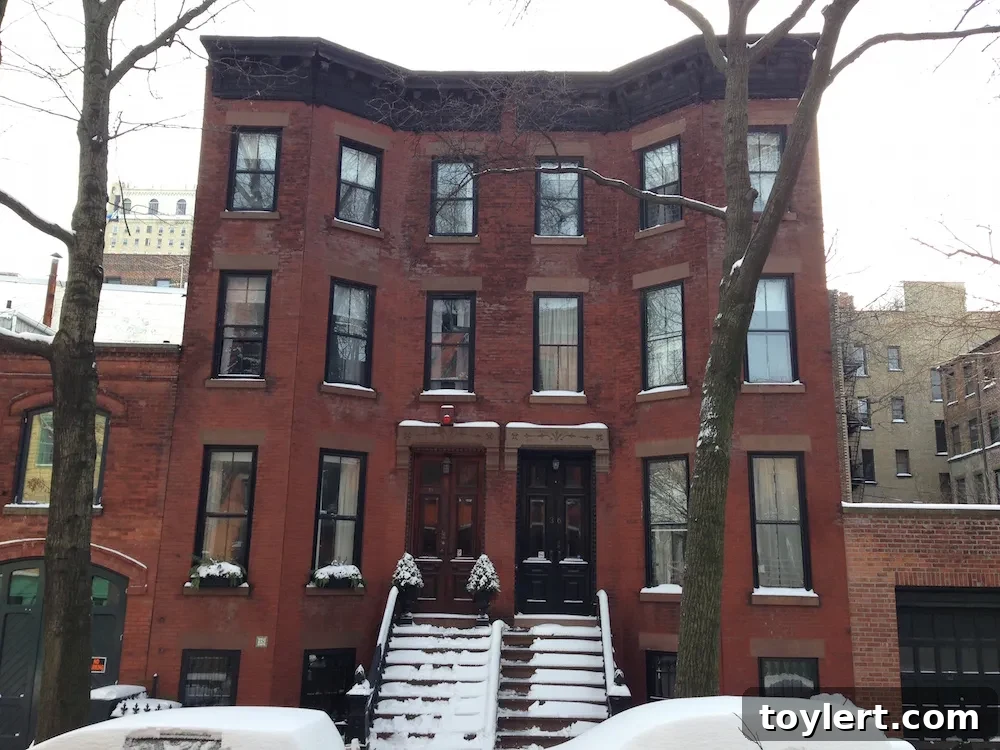
The birth of the NYC Landmarks Law was a pivotal moment, leading directly to the establishment of the city’s very first historic district: the enchanting Brooklyn Heights, also in 1965. This neighborhood, with its picturesque tree-lined streets and magnificent 19th-century brownstones and row houses (such as those pictured above), stands as a living museum, a testament to what dedicated preservation can achieve. The anniversary celebrations serve as a crucial reminder of how far New York City has come in protecting its unique character and how critical it is to continue these efforts.
Transforming History: The Domino Sugar Factory’s Future
The celebrations kick off with an event that perfectly encapsulates the dynamic interplay between historic preservation and modern architectural innovation. On Monday, March 30, the Brooklyn Historical Society will host an engaging discussion focused on one of Brooklyn’s most ambitious redevelopment projects. Gregg Pasquarelli, a founding principal of the renowned SHoP Architects, will be the featured speaker. SHoP Architects has gained widespread acclaim for their innovative and often boundary-pushing designs, and their plan to revitalize the landmarked Domino Sugar Factory on the Williamsburg waterfront is no exception.
The Domino Sugar Factory, a towering relic of Brooklyn’s industrial past, presents a unique challenge and opportunity. Its iconic sign and formidable presence along the East River have long been ingrained in the city’s visual identity. Pasquarelli’s discussion will undoubtedly shed light on the intricacies of transforming such a significant historic industrial site into a vibrant, mixed-use complex while respecting its original architectural integrity. This project is a prime example of adaptive reuse, demonstrating how historic buildings can be given new life and purpose, contributing to the economic and cultural fabric of the city rather than succumbing to demolition. The conversation will explore how modern architecture can sensitively integrate with historical structures, creating a dialogue between past and future.
Cathleen McGuigan, the esteemed editor-in-chief of the Architectural Record, will skillfully interview Pasquarelli. McGuigan’s deep expertise in architecture and design journalism ensures that the discussion will be insightful, probing the challenges, inspirations, and visions behind the Domino Sugar Factory transformation. This promises to be a captivating evening for anyone interested in urban development, architectural design, and the future of landmarked sites in New York City. The event is scheduled for 6:30 pm at the Brooklyn Historical Society. Tickets for this exclusive event are available for $10, offering an affordable opportunity to gain firsthand insight into one of the city’s most talked-about projects.
A Deep Dive into Preservation: Panels and Tours at Thurgood Marshall Courthouse
The anniversary festivities continue the very next day, offering a comprehensive look at the legal and practical aspects of the NYC Landmarks Law. On Tuesday, March 31, the New York Landmarks Conservancy will host a series of free panels and tours at the majestic Thurgood Marshall Courthouse in Foley Square, located in the heart of Manhattan. This event, running from 5 to 8:30 pm, provides a unique chance to explore a significant civic landmark while engaging with leading figures in the field of historic preservation.
The evening will commence with guided tours of the magnificent courthouse itself, from 5 to 5:45 pm. The Thurgood Marshall Courthouse, an architectural marvel, offers a fitting backdrop for discussions on landmark protection. Its grand design and historical significance make it an ideal venue to reflect on the importance of preserving the city’s architectural heritage. These tours will provide participants with a deeper appreciation for the building’s artistry and its role in the city’s legal and architectural history.
Following the tours, a distinguished panel discussion will take center stage. This gathering of eminent experts promises to offer diverse perspectives on the 50-year journey of the NYC Landmarks Law and its ongoing relevance. The panel will feature:
- Kent Barwick: A former Chair of the New York City Landmarks Preservation Commission (LPC) and President Emeritus of the Municipal Art Society, Barwick brings invaluable institutional knowledge and a wealth of experience in shaping preservation policy.
- Andrew Berman: As Executive Director of the Greenwich Village Society for Historic Preservation, Berman is a tireless advocate for neighborhood-level preservation, offering insights into community engagement and grassroots efforts.
- Peg Breen: The President of The New York Landmarks Conservancy, Breen leads an organization at the forefront of preservation efforts, providing practical perspectives on fundraising, advocacy, and direct preservation projects.
- Paul Goldberger: A Pulitzer Prize-winning architecture critic, Goldberger’s incisive commentary and historical understanding make him a leading voice in architectural discourse, capable of framing the Landmarks Law within a broader cultural and aesthetic context.
- Phillip Lopate: A celebrated author and essayist, Lopate will likely offer a unique, humanistic perspective on how historic places shape our lives, memories, and sense of identity.
- Gene A. Norman: Another former NYC LPC Chair and Principal of Architecture Plus!, Norman’s background as an architect and former commissioner will provide critical insights into the technical and regulatory challenges of landmark protection.
This star-studded panel will delve into a range of topics, including the origins of the Landmarks Law, its successes and failures over the past five decades, the challenges of contemporary development, and the future of historic preservation in an ever-evolving city. Attendees can expect a lively and thought-provoking debate on how New York City can continue to balance growth with the imperative to protect its irreplaceable heritage. The discussions will cover everything from the legal battles that shaped the law to the economic benefits of preservation and the cultural value of maintaining architectural diversity.
The event, including the tours and panel discussion, offers a comprehensive educational experience for anyone interested in New York City history, architecture, urban planning, and historic preservation. Given the caliber of the speakers, this free event is an exceptional opportunity to learn from the best in the field. The full schedule for these significant events, taking place on Tuesday, March 31, from 5 to 8:30 pm at 40 Foley Square, is available via the Eventbrite link.
The Enduring Legacy and Future of Preservation in NYC
Fifty years ago, the passing of the NYC Landmarks Law was a visionary act, born from a growing awareness that the city’s historical fabric was vulnerable to rapid modernization. The demolition of Penn Station in 1963 served as a stark wake-up call, galvanizing public opinion and leading to the creation of legislation designed to prevent similar losses. Since then, the law has protected thousands of buildings and dozens of historic districts, ensuring that the unique character of New York City endures.
The law’s impact extends far beyond mere aesthetics; it has played a crucial role in maintaining neighborhood identity, fostering tourism, and promoting sustainable development through the reuse of existing structures. It has encouraged meticulous restoration, innovative adaptive reuse, and a deeper appreciation for the craftsmanship and artistry of past eras. As New York City continues to grow and evolve, the principles enshrined in the Landmarks Law remain as vital as ever. The ongoing challenge is to balance the demands of modern development with the responsibility to preserve a rich and irreplaceable heritage.
These anniversary events are more than just commemorations; they are critical forums for discussion about the future. They highlight the ongoing need for advocacy, education, and innovative solutions in the field of historic preservation. By bringing together architects, urban planners, historians, and concerned citizens, the New York Landmarks Conservancy and Brooklyn Historical Society are fostering a collective commitment to protecting the soul of New York City for the next fifty years and beyond. Don’t miss this opportunity to celebrate a half-century of safeguarding the city’s magnificent past and shaping its promising future.