Prospect Park’s Enduring Legacy: From Neglect to a Thriving Urban Oasis in Brooklyn
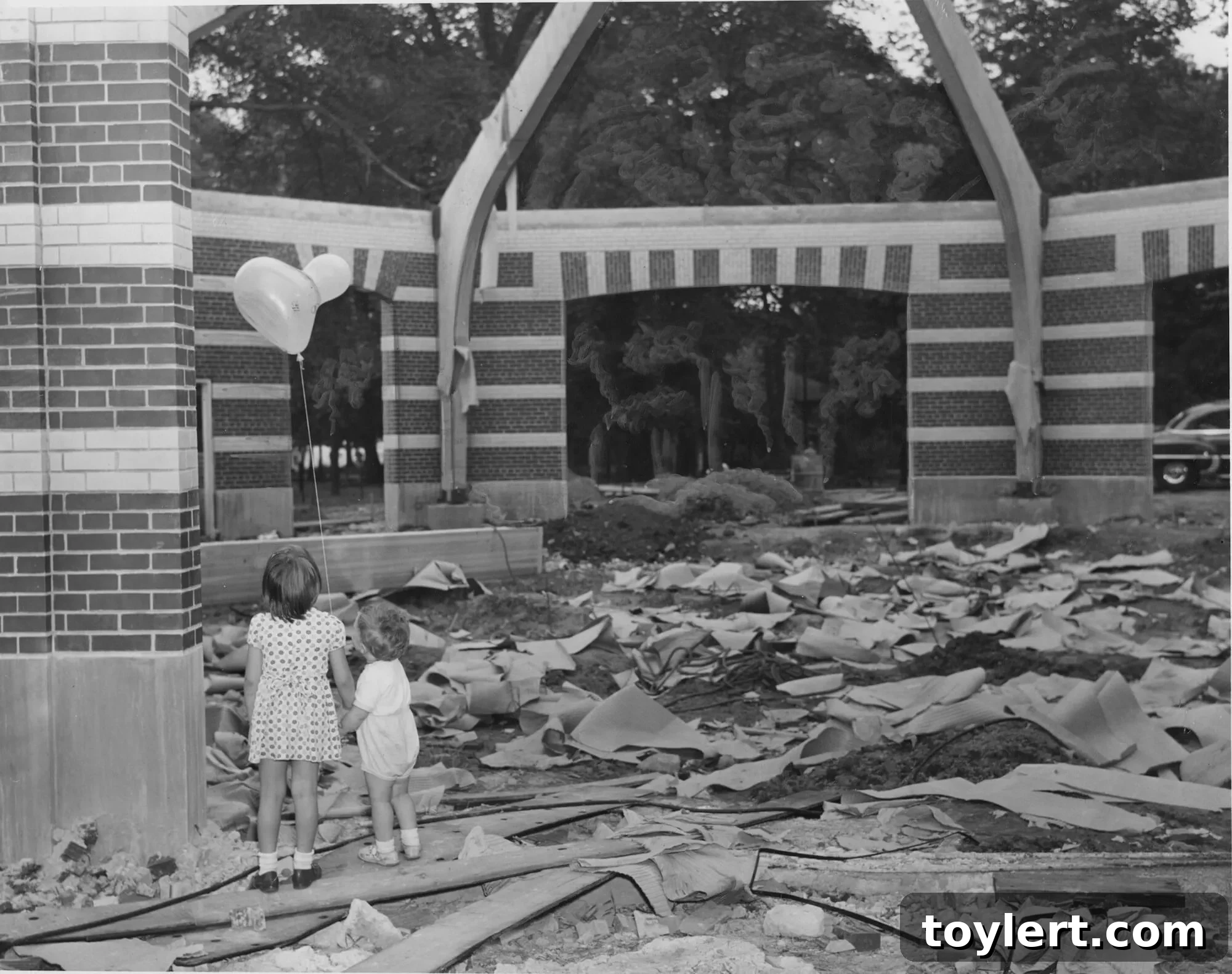
For many, it’s hard to imagine Prospect Park as anything other than the magnificent green oasis it is today, a vibrant heart nestled within the bustling borough of Brooklyn. Yet, for longtime residents, memories of the park’s more challenging days in the 1970s and 1980s — a period marked by shuttered attractions, pervasive maintenance issues, and general urban decay — are not so distant. These were decades when this cherished public space faced significant threats to its beauty and utility.
This year marks a dual celebration for Prospect Park. We commemorate the Prospect Park Alliance’s 30th anniversary, an organization founded three decades ago with the ambitious mission to sustain and restore the park. Concurrently, we celebrate the park’s own monumental 150th anniversary. These significant milestones offer a perfect opportunity to reflect on the incredible journey of transformation, highlighting key success stories and illustrating the profound impact of dedicated stewardship.
A Green Jewel in Brooklyn’s Crown: The Vision of Olmsted and Vaux
Before delving into its periods of decline and subsequent revival, it’s essential to appreciate Prospect Park’s illustrious origins. Conceived in the mid-19th century by the renowned landscape architects Frederick Law Olmsted and Calvert Vaux, the same visionary minds behind Manhattan’s Central Park, Prospect Park was meticulously designed as a democratic park for the burgeoning population of Brooklyn. Their intricate plan, spanning 585 acres, masterfully integrated naturalistic landscapes with functional spaces, creating a breathtaking masterpiece. The design featured vast open meadows like the Long Meadow, serene waterways such as the Lullwater, dense woodlands, and winding pathways, all intended to provide an escape from urban life. It was envisioned as a place for recreation, contemplation, and community gathering, serving as a vital “lungs of the city” for many decades following its completion.
The Shadow Falls: Prospect Park’s Era of Decline (1970s-1980s)
The early glory of Prospect Park began to fade significantly by the mid-20th century, culminating in a severe period of neglect throughout the 1970s and 1980s. A confluence of factors contributed to this decline: decreased municipal funding, a shift in civic priorities, and widespread urban decay impacted public spaces across many American cities. What was once a pristine and inviting environment became visibly marred by crumbling infrastructure, overgrown and unkempt landscapes, and escalating safety concerns. Iconic attractions that had once drawn crowds, such as the historic carousel and the magnificent Boathouse, lay dormant or in advanced states of disrepair. Pathways became hazardous, water features stagnated, and the overall cleanliness and security deteriorated. For many Brooklynites who lived through those years, the park became a shadow of its former self, a place often avoided rather than cherished, with fears growing that this vital urban green space might be lost forever.
A Beacon of Hope: The Founding of the Prospect Park Alliance
It was against this disheartening backdrop of despair and neglect that a profound shift occurred, signaling a new era for Prospect Park. Recognizing the urgent need for intervention and sustained stewardship, a dedicated group of community leaders, passionate citizens, and philanthropic visionaries united to establish the Prospect Park Alliance in 1987. This private, non-profit organization was founded with a singular, ambitious mission: to restore, develop, and maintain Prospect Park in close partnership with the City of New York and the NYC Department of Parks & Recreation. Their founding marked a pivotal moment, ushering in an era of sustained revitalization. The Alliance embarked on the monumental task of galvanizing public support, raising crucial funds from private sources, and implementing comprehensive, long-term restoration plans. Their efforts were not merely about superficial repairs; they were fundamentally about rebuilding the very spirit and infrastructure of the park, ensuring its longevity, beauty, and accessibility for all Brooklyn residents and visitors.
Iconic Transformations: The Boathouse as a Symbol of Revival
Among the many structures that suffered profoundly during the park’s lean years, the iconic Boathouse stood as a particularly stark and poignant reminder of what was at risk. Designed in 1905 by the esteemed architectural firm of Helmle and Huberty, this magnificent Beaux-Arts style building was once the vibrant heart of boating activities on the picturesque Lullwater. However, by the mid-20th century, its architectural grandeur had significantly faded. No longer regularly used for its original purpose, it fell victim to chronic underfunding and severe neglect. By the 1960s, the Boathouse’s structural condition was so precarious and deteriorated that proposals for its outright demolition were seriously considered by city officials – a grim prospect that would have erased a priceless piece of the park’s heritage.
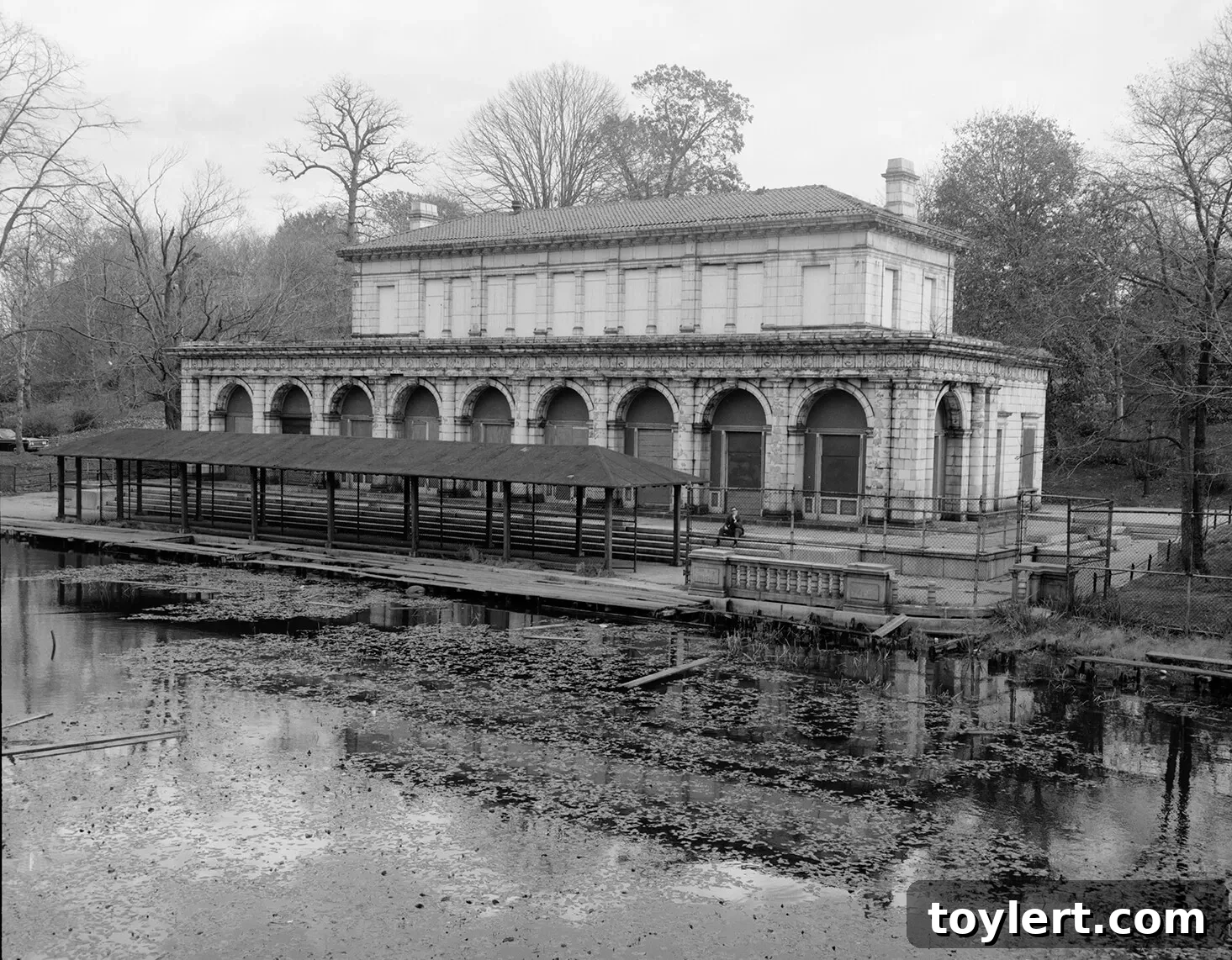
The thought of losing such an architectural treasure spurred the Boathouse’s preservation and restoration into one of the Prospect Park Alliance’s earliest and most visible flagship projects. Its revival became a potent symbol of the Alliance’s unwavering commitment to the park’s historical and architectural heritage. Through meticulous planning, dedicated fundraising, and the expertise of skilled craftsmen, the Boathouse underwent a painstaking, multi-year revival. Today, the Prospect Park Boathouse stands fully restored to its original splendor. It serves not only as a picturesque landmark and an architectural gem but also as a vibrant community space, hosting a variety of events, educational programs, and once again facilitating opportunities for boating on the serene lake. Its remarkable transformation from a derelict structure on the brink of demolition to a thriving cultural and recreational hub perfectly encapsulates the profound success and lasting impact of the Alliance’s dedicated efforts.
Beyond the Boathouse: A Park-Wide Renaissance Takes Root
While the Boathouse’s restoration remains a shining example, the Prospect Park Alliance’s work extended far beyond a single building, encompassing a comprehensive, park-wide renaissance. Their holistic approach meticulously addressed every facet of the park’s diverse landscape and infrastructure. Major initiatives included the ecological restoration of the Ravine, Prospect Park’s only forest, transforming it from an eroded, neglected area into a thriving, biodiverse woodland ecosystem. The historic Carousel was lovingly refurbished, its intricate details restored, bringing back joyous rides for countless generations of children and families. The grandeur of the Concert Grove and its iconic Peristyle were meticulously restored, once again providing a magnificent setting for public performances, concerts, and community gatherings.
Throughout the park, worn pathways were repaved, damaged benches replaced, and thousands of new trees and plants were introduced. These horticultural additions were carefully chosen to reflect Olmsted and Vaux’s original, visionary horticultural plan, enhancing both the aesthetic beauty and ecological health of the park. Crucially, the Alliance also prioritized improving safety and accessibility across the entire park. Enhanced lighting, clearer and more informative signage, and rigorous, regular maintenance transformed previously unwelcoming or unsafe areas into inviting and secure spaces for all visitors. This comprehensive revitalization breathed new life into every corner of Prospect Park, from the expansive Long Meadow to the peaceful Vale of Cashmere, fundamentally enhancing the quality of life for millions of Brooklyn residents who rely on this vital green space for recreation, relaxation, and connection with nature.
Celebrating 150 Years of a Living Legacy
As Prospect Park proudly celebrates its 150th anniversary, it stands not merely as a historical landmark but as a dynamic, living testament to the enduring power of community engagement, visionary planning, and unwavering perseverance. Its sesquicentennial is a momentous occasion to honor the foresight of its original designers, Frederick Law Olmsted and Calvert Vaux, whose genius laid the foundation for this urban masterpiece. It’s also a time to recognize the resilience of the park itself, which has weathered periods of both glory and neglect. Most importantly, it is a profound celebration of the extraordinary dedication of the Prospect Park Alliance, along with countless volunteers, donors, and community partners whose tireless efforts have ensured the park’s magnificent revival and continued flourishing. The park continues to evolve, gracefully adapting to the contemporary needs of a modern, diverse city while steadfastly preserving its timeless appeal and original spirit. It remains a place where history intertwines seamlessly with contemporary life, offering a tranquil escape, a vibrant gathering space, and an irreplaceable green resource for the entire borough.
Conclusion: A Future as Bright as Its Past
The remarkable journey of Prospect Park, from its challenging period of profound decline to its current status as a cherished and vibrant urban oasis, serves as a powerful and inspiring narrative of successful urban revitalization. The dramatic before-and-after transformations, particularly highlighted by the stunning revival of the Boathouse, showcase the tangible and transformative impact of the Prospect Park Alliance’s tireless efforts and the collective will of the community. As we celebrate these significant anniversaries – the Alliance’s 30th and the park’s 150th – it is a time to deeply appreciate the enduring beauty, profound utility, and irreplaceable role that Prospect Park plays in the lives of Brooklynites. Looking forward, the park’s future appears as bright and promising as its storied past, ensuring that generations to come will continue to enjoy a place of unparalleled natural beauty, diverse recreational opportunities, and vital community connection, all safeguarded by continuous care and unwavering commitment.