Livestream Chooses Bushwick: Why Brooklyn is the New Hub for Tech Innovation and Creativity
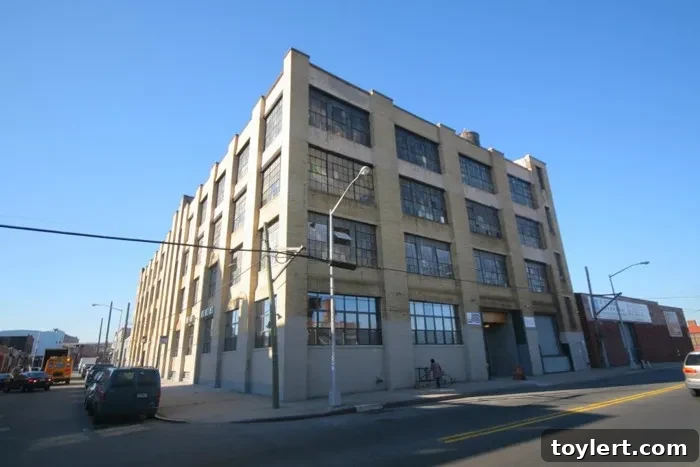
In a move signaling a significant shift in New York City’s tech landscape, pioneering live-streaming platform Livestream announced its relocation from Manhattan’s bustling Chelsea neighborhood to the vibrant, industrial-chic confines of Bushwick, Brooklyn. The tech startup, known for its innovative approach to broadcasting events globally, has taken over the expansive former home of 3rd Ward at 195 Morgan Avenue, pictured above. This strategic relocation, as reported by The New York Times in May 2014, underscored a growing trend among startups seeking more than just office space—they sought a community, an ethos, and an environment conducive to unbounded creativity and entrepreneurial spirit.
The decision by Livestream, a company at the forefront of digital media, to embrace Brooklyn’s energy was not made lightly. It reflects a broader narrative of how New York City’s boroughs are evolving, with Brooklyn, particularly areas like Bushwick, emerging as compelling alternatives to Manhattan’s traditionally dominant commercial centers. This move was a testament to the borough’s burgeoning appeal to a new generation of tech companies and creative professionals.
The Irresistible Pull of Bushwick: A Hub for Creators
For Livestream’s founder, the motivation behind the cross-river journey was clear and deeply rooted in the borough’s unique character. “It’s really the people and the community and the energy here,” Livestream’s founder enthusiastically shared with The New York Times. “There are a lot of entrepreneurs around. Makers, restaurants—there’s a really big community of creators.” This sentiment encapsulates the essence of what Bushwick, and indeed much of Brooklyn, had become by the mid-2010s: a fertile ground for innovation, collaboration, and cultural production.
Bushwick, once a predominantly industrial zone, had undergone a remarkable transformation, morphing into an artistic and entrepreneurial enclave. Its spacious, repurposed factory buildings and warehouses, ideal for large-scale operations and collaborative workspaces, attracted a diverse mix of artists, designers, small businesses, and, increasingly, tech startups. This ecosystem fostered an environment where ideas could flourish, and cross-disciplinary collaborations were not just possible but actively encouraged. Livestream, a company whose very product empowers creators worldwide, found this local creative energy to be an invaluable asset.
Beyond the Bottom Line: Community and Culture as Strategic Assets
While practical considerations such as lower rents and more expansive spaces undoubtedly played a role in the decision to move from Chelsea, Livestream’s founder emphasized a more profound draw: the intangible benefits of community and culture. In a competitive landscape where attracting and retaining top talent is paramount, offering an engaging and inspiring work environment becomes a crucial differentiator. Bushwick’s eclectic mix of art galleries, independent cafes, innovative restaurants, and bustling nightlife offered a lifestyle appeal that resonated deeply with the young, creative workforce characteristic of tech startups.
The “maker culture” in Bushwick—a spirit of DIY innovation, craftsmanship, and independent production—aligned perfectly with Livestream’s mission. The proximity to other entrepreneurs and “makers” fostered a natural network for idea exchange, potential partnerships, and a shared sense of purpose. This organic collaboration created a dynamic atmosphere that often proved elusive in the more corporate confines of traditional Manhattan business districts.
From Chelsea’s Hustle to Brooklyn’s Creative Pulse
Chelsea, with its high-end galleries, luxury condominiums, and established corporate presence, certainly boasts its own allure. However, for a rapidly growing tech startup like Livestream, the dense, often prohibitively expensive Manhattan market presented limitations. Space was at a premium, and the urban environment, while vibrant, could sometimes feel disconnected from the ground-level creative energy Livestream sought to harness.
The move to 195 Morgan Avenue, specifically the former 3rd Ward space, was particularly symbolic. 3rd Ward had been a pioneering creative co-working and learning facility, a hub for artists, photographers, and entrepreneurs, before its closure. Taking over this location meant Livestream wasn’t just acquiring real estate; it was inheriting a legacy of creativity and community. The large, open-plan spaces, high ceilings, and industrial aesthetics of the building were perfectly suited for a modern tech company that values transparency, collaboration, and a non-traditional office setting.
This transition underscored a larger trend: tech companies were increasingly prioritizing culture and identity alongside financial practicality. Brooklyn offered the unique blend of affordability, ample space, and an authentic, vibrant community that was becoming irresistible to forward-thinking startups. It allowed companies like Livestream to craft an environment that truly reflected their innovative ethos, attracting employees who sought more than just a job but a place where they could live, work, and create meaningfully.
Brooklyn’s Ascendancy as a Tech and Creative Powerhouse
Livestream’s relocation was not an isolated incident but rather a significant indicator of Brooklyn’s broader emergence as a formidable player in the global tech and creative industries. For years, neighborhoods like DUMBO (Down Under the Manhattan Bridge Overpass) had already established themselves as digital media and design hubs, attracting companies with their historic architecture, waterfront views, and proximity to Manhattan. However, the phenomenon had begun to spread east, reaching Williamsburg, Greenpoint, and eventually, Bushwick.
What made Brooklyn so appealing? Several factors converged to create this perfect storm of opportunity:
- Affordability: Compared to Manhattan, Brooklyn offered significantly lower commercial rents, allowing startups to secure larger spaces for less capital, crucial for scaling operations.
- Space: The abundance of former industrial buildings provided vast, flexible spaces ideal for open-plan offices, studios, and even light manufacturing, catering to diverse needs.
- Talent Pool: Brooklyn’s population included a massive concentration of young, educated, and creative professionals, many of whom preferred to live and work within the borough, reducing commute times and fostering a stronger sense of local community.
- Lifestyle and Culture: The borough’s distinct neighborhoods offered a rich tapestry of cultural experiences, from world-class dining and music venues to thriving arts scenes and green spaces. This quality of life was a major draw for employees.
- Connectivity: Improved public transportation, including extended subway lines and new ferry services, made Brooklyn increasingly accessible from other parts of the city.
- Branding: Associating with Brooklyn’s cool, independent, and innovative brand identity became a strategic advantage for many companies.
The Ripple Effect: Impact on Brooklyn’s Real Estate and Economy
The influx of companies like Livestream had a profound ripple effect on Brooklyn’s economy and real estate market. Commercial rents began to rise, and residential areas surrounding these tech hubs saw increased demand and property values. Local businesses, from cafes and restaurants to retail shops, benefited from the growing daytime population and increased spending power of the tech workforce. This organic growth fostered a dynamic urban environment, drawing further investment and talent into the borough.
For city planners and economic development agencies, this shift was a welcome diversification of New York City’s economic base, traditionally heavily reliant on finance and media. The growth of the tech sector in Brooklyn created thousands of new jobs, fostered innovation, and solidified the city’s reputation as a global leader in technology, not just finance or fashion.
Livestream’s Role in the Creator Economy
Livestream itself plays a critical role in the burgeoning “creator economy.” As a platform designed to enable individuals and organizations to broadcast live events, from concerts and conferences to educational seminars and personal streams, it directly supports the very “community of creators” its founder sought to be part of. By choosing Bushwick, Livestream positioned itself not just as a service provider but as an integral member of the creative ecosystem it serves. This strategic alignment underscored a deep understanding of its target audience and its own brand identity.
The company’s presence in Bushwick provided a tangible connection to the creative pulse of Brooklyn, potentially inspiring new features, fostering direct user engagement, and recruiting talent deeply embedded in the local arts and tech scenes. It was a symbiotic relationship: Livestream benefited from Bushwick’s unique environment, and in turn, contributed to its reputation as a dynamic center for digital innovation.
Looking Ahead: Brooklyn’s Future as a Tech Frontier
Livestream’s move in 2014 was a powerful harbinger of what was to come. It signaled that Brooklyn was no longer merely a dormitory borough for Manhattan workers but a legitimate, self-sustaining economic engine, particularly for the tech and creative industries. The transformation of Bushwick’s “loft area” from industrial anonymity to a vibrant hub for entrepreneurs, makers, and innovators illustrated the adaptability and resilience of New York City’s urban fabric.
The ongoing narrative of Brooklyn’s rise continues to attract attention from around the globe. As tech continues to decentralize and companies seek more authentic, community-driven environments, the lessons learned from Livestream’s strategic relocation remain highly relevant. It’s a testament to the idea that true innovation often thrives where creativity and commerce intersect, and where the “energy of the people and the community” is valued as much as, if not more than, prime real estate.
In conclusion, Livestream’s relocation to 195 Morgan Avenue in Bushwick was more than just a real estate transaction; it was a cultural statement. It affirmed Brooklyn’s growing stature as an indispensable component of New York City’s tech ecosystem and solidified its reputation as a magnet for companies seeking an environment where innovation is nurtured by a rich tapestry of community, creativity, and entrepreneurial spirit. The move underscored that for many progressive startups, the future of work and creativity lay across the East River, firmly rooted in the vibrant streets of Brooklyn.