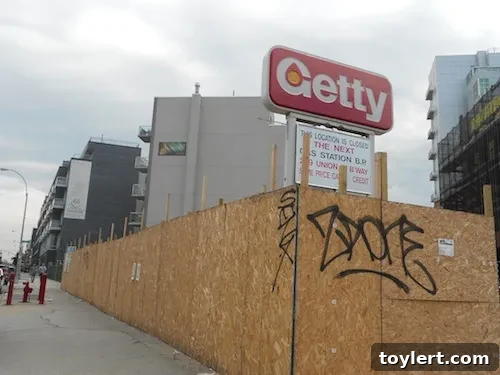
Williamsburg’s Next Chapter: A Modern Boutique Hotel Rises on the Old Getty Site
Williamsburg, Brooklyn, a neighborhood synonymous with dynamic change and relentless evolution, is set to welcome another significant development that underscores its status as a vibrant urban destination. The New York City Department of Buildings (DOB) recently granted permits for a five-story boutique hotel, poised to transform the long-standing Getty gas station site situated prominently at the bustling intersection of Metropolitan and Union avenues. This much-anticipated project marks a new chapter for one of North Williamsburg’s key corners, moving from a utilitarian past to a future designed for hospitality and modern urban living. While the idea of a hotel at this specific location has been part of public discourse for several years, dating back to initial proposals in 2008, the finalization of plans and the recent demolition signals that this vision is finally taking concrete shape.
The Long Road to Development: From Gas Pumps to Grand Plans
The journey to redevelop the Getty gas station site has been a protracted one, reflecting the complexities often associated with significant urban transformations in New York City. The initial whispers of a hotel project surfaced as early as November 2008, a period when Williamsburg was already firmly established as a burgeoning hub for arts, culture, and nightlife, attracting an ever-increasing influx of tourists, creative professionals, and new residents alike. Early plans envisioned a more substantial six-story building housing 54 rooms, indicating the developer’s confidence in the area’s potential for high-demand lodging even then, anticipating the neighborhood’s continued growth as a prime destination.
However, real estate development in a dense metropolitan area like Brooklyn rarely proceeds without its share of hurdles and necessary bureaucratic procedures. The site remained an active gas station for several more years, serving local residents and commuters despite the widely publicized plans for its eventual overhaul. It wasn’t until March 2012 that the long-awaited demolition permits were finally approved, paving the way for the physical removal of the existing structure. This approximately four-year gap between the initial public announcement of development plans and the actual start of physical transformation highlights the intricate dance between urban planning, regulatory approvals, market shifts, architectural refinements, and community considerations that define development cycles in the five boroughs.
The original proposal from 2008, calling for a larger structure, likely underwent numerous revisions during this extended period. Factors such as evolving zoning regulations in North Williamsburg, updated market analyses reflecting changes in tourist demographics or hotel demand, architectural refinements to better integrate with the streetscape, or even feedback from local community boards and city agencies can all contribute to modifications in a project’s scope. Such adjustments are a common aspect of NYC’s development landscape, ensuring that projects align with contemporary urban planning standards and the evolving needs of the neighborhood, while also navigating financial and logistical realities.
The Approved Vision: A Refined Boutique Experience in North Williamsburg
The plans recently approved by the DOB present a slightly refined vision compared to the initial 2008 blueprint. Instead of a six-story, 54-room establishment, the new permits detail a five-story hotel with a total of 52 units. This minor reduction in both height and unit count could be the result of several factors. It might reflect a strategic decision to optimize space for enhanced guest amenities, adhere more closely to specific zoning envelopes prevalent in the area, or perhaps even a deliberate choice to cultivate a more intimate, boutique hotel experience rather than a larger, more conventional offering. In a neighborhood like Williamsburg, where individuality, curated experiences, and local charm are highly valued, a slightly smaller, more exclusive property can often resonate better with the discerning target clientele, offering a unique and personalized stay.
While specific architectural details and interior design concepts for the new Williamsburg hotel are yet to be widely revealed, it is reasonable to expect a modern aesthetic that complements Williamsburg’s contemporary urban fabric. Boutique hotels in this area typically blend sleek design with local artistic influences, often featuring bespoke furnishings, vibrant dining options that draw both guests and locals, and possibly a rooftop bar or lounge offering panoramic views of the Manhattan skyline and the surrounding Brooklyn neighborhood. Such features not only attract tourists seeking an authentic NYC experience but also provide new social venues for local residents, contributing to the area’s dynamic appeal and economic vitality. The focus will likely be on offering comfort, style, and seamless connectivity, catering to a demographic that appreciates both the cultural vibrancy of Brooklyn and convenient access to Manhattan.
The developers are likely targeting a diverse array of guests for this prime Brooklyn development, from international tourists eager to explore Williamsburg’s unique character to domestic travelers on business or leisure, and even local New Yorkers seeking a stylish staycation experience. The strategic location at Metropolitan and Union avenues offers excellent accessibility, placing guests within walking distance of many of Williamsburg’s celebrated attractions, including world-class restaurants, independent boutiques, live music venues, art galleries, and picturesque waterfront parks like Bushwick Inlet Park and Marsha P. Johnson State Park.
Williamsburg’s Unstoppable Hotel Boom and Its Broader Implications
The development of a new hotel at the former Getty site is not an isolated incident but rather a continuation of a significant and well-documented trend in Williamsburg and the broader North Brooklyn area. Over the past two decades, this once-industrial district has undergone an astonishing transformation, evolving into a global destination recognized for its trendsetting culture. The surge in hotel construction across Williamsburg is a direct reflection of this newfound status, driven by several key factors:
- Tourism Magnet: Williamsburg has become a top-tier tourist destination, celebrated globally for its unique blend of art, music, innovative food scene, and independent retail. Visitors are increasingly opting to stay in Brooklyn to experience its distinct cultural scene firsthand, away from the traditional Manhattan tourist traps.
- Economic Growth: The influx of tourists and new businesses supports local enterprises, creates substantial employment opportunities in hospitality and related sectors, and contributes significantly to the local economy, fostering a vibrant commercial landscape.
- Proximity to Manhattan: Its convenient access to Manhattan via the L and G subway lines makes it an incredibly attractive base for those visiting New York City who prefer the vibrant, distinct atmosphere of Brooklyn while maintaining easy transit to Manhattan’s business and entertainment districts.
- Cultural Hub: The neighborhood boasts numerous art galleries, performance spaces, comedy clubs, and a thriving culinary scene, offering a rich array of diverse experiences for guests, from Michelin-starred restaurants to casual street food.
However, this rapid development, while bringing undeniable economic benefits and modern amenities, also fuels ongoing discussions about gentrification and its profound impact on the long-term character and affordability of Williamsburg. New luxury hotels and residential towers contribute to rising property values and rents, potentially displacing long-time residents and cherished small businesses that have defined the neighborhood for decades. The delicate balance between progress, economic growth, and the preservation of local character remains a critical theme in the ongoing narrative of Williamsburg’s dynamic urban development.
The addition of another hotel reinforces Williamsburg’s position as a premier hospitality destination, joining a prestigious roster of notable establishments such as The William Vale, The Hoxton, The Wythe Hotel, and Hotel Indigo. Each new project contributes to the neighborhood’s evolving skyline and economic fabric, further solidifying its reputation as a dynamic, sought-after location for both residents and visitors seeking an authentic New York City experience.
The Site’s Immediate Future: From Demolition to Construction and Beyond
During a recent visit to the site, it was clear that the physical transformation is well underway. The familiar structure of the Getty gas station had been completely demolished, leaving behind an open lot where once cars refueled. Interestingly, while the station itself was gone, some of the iconic Getty signage reportedly remained for a brief period, a curious and poignant vestige of its past life amidst the nascent stages of its future. This visual contrast perfectly encapsulates Williamsburg’s constant state of flux – old giving way to new, often with a lingering echo of what once was, a testament to the neighborhood’s rich history.
With demolition complete and permits secured, the site at Metropolitan and Union avenues is now poised for the intensive construction phase. Neighbors and commuters can anticipate the usual array of activities associated with major building projects: extensive foundation work, the steady erection of a steel skeleton, and the gradual rise of the new structure brick by brick. While construction can inevitably bring temporary inconveniences such as noise, dust, and localized traffic disruptions, it also signifies tangible progress and the imminent arrival of a new amenity for the community and its multitude of visitors.
The completion of this five-story hotel will undoubtedly alter the streetscape at Metropolitan and Union avenues in a significant way. What was once a functional but unadorned service station will become a vibrant, active building, contributing to the pedestrian experience, enhancing local commerce, and improving the overall aesthetic of the intersection. It represents another vital step in Williamsburg’s journey from an industrial past to a vibrant, multifaceted urban future, where every corner seems to hold a new story waiting to unfold and contribute to the rich tapestry of Brooklyn’s diverse identity.
As Brooklyn continues its ascendancy as a global city and cultural beacon, developments like this boutique hotel are critical indicators of its sustained growth and widespread allure. The Getty site, once a symbol of a bygone era of urban service stations, is now ready to contribute to Williamsburg’s thriving narrative, promising a fresh perspective for guests and a renewed energy for its surrounding community, solidifying its place as a cornerstone of modern Brooklyn life.
References & Further Reading:
- Williamsburg Gas Station To Be Demolished [Brownstoner]
- Another Hotel for The Burg [Brownstoner]
- NYC Department of Buildings Work Permit Data
- View Location on Google Maps