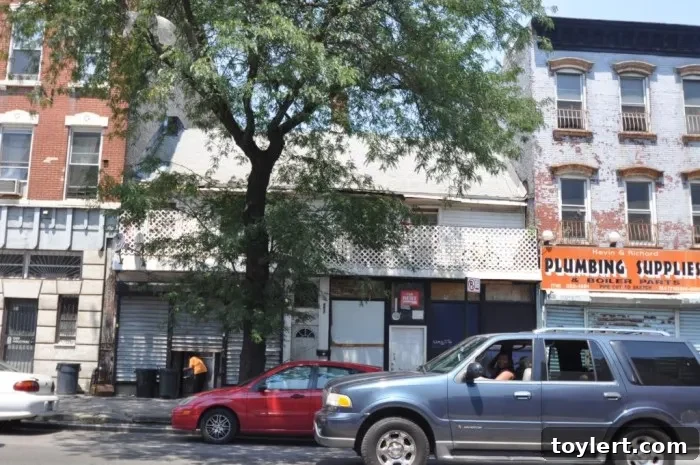
Unveiling Brooklyn’s Heritage: The Enduring Charm of 649-651 Myrtle Avenue
In the vibrant tapestry of Brooklyn, every brick, every facade, and every creaking floorboard tells a story. The adage “Brooklyn, one building at a time” encapsulates the essence of exploring this borough’s rich history, diverse culture, and evolving urban landscape. Among the countless structures that contribute to Brooklyn’s unique character, buildings like the wood-framed store buildings with apartments above at 649-651 Myrtle Avenue stand as humble yet profound testaments to the borough’s past and present. These mixed-use properties, often overlooked in favor of grander brownstones or industrial lofts, are the unsung heroes of urban development, embodying the practical ingenuity and community-centric design that shaped countless neighborhoods.
Myrtle Avenue itself is a storied thoroughfare, stretching through various Brooklyn neighborhoods and serving as a vital commercial and residential artery for generations. From its early days as a rural route to its transformation into a bustling corridor lined with shops and homes, Myrtle Avenue has witnessed immense change. Buildings like 649-651 are not just structures; they are living archives, offering insights into the daily lives, economic activities, and architectural trends that defined Brooklyn from the late 19th to the early 20th century. Their presence helps us understand the fabric of a city built on commerce, community, and resilient design.
Architectural Insights into 649-651 Myrtle Avenue: A Blend of Form and Function
The buildings at 649-651 Myrtle Avenue exemplify a common and highly functional architectural style prevalent across Brooklyn’s commercial strips. Characterized by their wood-frame construction and their dual purpose as ground-floor retail spaces with residential units above, these structures were a pragmatic response to the burgeoning urban needs of a rapidly expanding city. Their design efficiently integrated commerce and dwelling, allowing shopkeepers and their families to live directly above their businesses, fostering tight-knit communities and convenient living.
The Wood-Frame Legacy: Durability and Adaptability
While often associated with older, pre-fire code construction, wood-frame buildings in Brooklyn were a widespread and economical choice. Compared to brick or stone, wood was more readily available, cheaper to transport, and faster to construct, allowing for rapid development to meet the demands of a growing population. Despite concerns about fire risk, builders developed techniques and materials to enhance their resilience. The enduring presence of structures like 649-651 Myrtle Avenue decades, even a century, after their construction speaks volumes about the quality of craftsmanship and the inherent durability of wood when properly maintained. These buildings often feature charming details, such as decorative cornices, window casings, and facade treatments, adding a touch of visual interest that belies their utilitarian origins. The specific design of 649-651, with its side-by-side addresses, suggests either two originally separate but contiguous buildings, or a larger property subdivided, a common practice reflecting the dynamic nature of urban land use.
A Blueprint for Urban Living: Storefronts and Apartments
The mixed-use format of 649-651 Myrtle Avenue is a quintessential Brooklyn model. The ground floor, with its expansive storefront windows, was designed to attract passersby and host a variety of businesses—from grocers and butchers to dry goods stores and pharmacies. These establishments were the lifelines of their neighborhoods, providing essential services and serving as informal community hubs. Above these bustling shops, the upper floors offered affordable and accessible housing, often for the shopkeepers themselves or for working-class families who sought proximity to jobs and amenities. This vertical integration of living and commerce created walkable communities, reducing the need for extensive travel and fostering a vibrant street life. The architecture facilitates this blend: large, accessible ground-floor openings for commercial use, and more private, smaller window treatments on the upper floors for residential privacy and light.
Myrtle Avenue’s Historical Tapestry: A Thoroughfare of Transformation
Myrtle Avenue holds a significant place in Brooklyn’s history. Initially laid out in the early 19th century, it evolved from a relatively quiet country road into a major urban artery, especially with the advent of horsecar lines, and later, electric trolleys and the Myrtle Avenue Elevated train. This transportation infrastructure spurred immense development along its length, leading to the construction of thousands of buildings, many mirroring the mixed-use design of 649-651. Historically, Myrtle Avenue was a bustling commercial corridor, serving diverse populations in neighborhoods like Fort Greene, Clinton Hill, and Bedford-Stuyvesant. It was a place where people shopped, worked, socialized, and lived, reflecting the very heartbeat of Brooklyn’s working-class and middle-class communities.
Over the decades, Myrtle Avenue experienced cycles of prosperity, decline, and revitalization. The mid-20th century saw challenges as economic shifts and urban planning decisions impacted commercial corridors. However, in recent years, particularly in areas like Clinton Hill and Fort Greene, Myrtle Avenue has experienced a resurgence. Historic buildings are being meticulously restored, new businesses are flourishing, and the avenue is once again a vibrant hub of activity. The continued existence of structures like 649-651 is a testament to the resilience of Brooklyn’s urban fabric and the enduring appeal of its historic architecture.
649-651 Myrtle Avenue: A Microcosm of Brooklyn’s Evolution
The specific property at 649-651 Myrtle Avenue, therefore, represents more than just two buildings; it is a microcosm of Brooklyn’s broader story. Its continued functionality through various eras—from its probable construction in the late 19th or early 20th century, through periods of economic fluctuation, and into the modern era of gentrification and urban renewal—speaks to its adaptability. One can imagine the countless businesses that have occupied its ground-floor storefronts: perhaps a general store, a barber shop, a bakery, or a dry cleaner. Each occupant contributed to the local economy and served the immediate community. Above, families have made their homes, witnessing the changing streetscape from their windows, raising children, and contributing to the social fabric of the neighborhood.
Today, these buildings continue to adapt. While some might retain their original charm and use, others may have undergone renovations to accommodate contemporary businesses or updated residential layouts. The juxtaposition of historic architecture with modern amenities or businesses is a hallmark of Brooklyn’s ongoing evolution. These buildings remind us that urban spaces are not static; they are dynamic entities constantly shaped by human needs, economic forces, and cultural shifts. Preserving and understanding these structures helps us connect with the generations that came before us and appreciate the layers of history embedded in our everyday surroundings.
Preserving Brooklyn’s Architectural Soul
The movement to appreciate and preserve Brooklyn’s historic architecture has gained significant momentum over the past few decades. While grand landmarks often receive the spotlight, the true character of Brooklyn is also defined by its more common, yet equally significant, structures like 649-651 Myrtle Avenue. These wood-framed mixed-use buildings, often nestled between more imposing brick structures, contribute immensely to the streetscape’s texture and historical depth. Their preservation is crucial not only for aesthetic reasons but also for maintaining the tangible link to the borough’s social and economic history. They represent the everyday lives of ordinary Brooklynites who built and sustained the communities that define the borough today.
Efforts by preservationists, community organizations, and even individual property owners ensure that these buildings continue to stand. Adapting them for modern use while respecting their historical integrity is a delicate balance, but one that Brooklyn has largely mastered. This involves thoughtful renovations, adherence to historical guidelines where applicable, and a general recognition of the immense value these older structures bring to a neighborhood’s identity. They offer a sense of place, authenticity, and connection to the past that newer constructions often struggle to replicate.
The Future of Historic Commercial Strips
As Brooklyn continues its trajectory of growth and transformation, the role of historic commercial strips like Myrtle Avenue, and the buildings that define them, becomes even more critical. They provide essential local services, foster small businesses, and create vibrant, walkable environments that are increasingly valued in urban planning. The lessons learned from the long life of buildings like 649-651 Myrtle Avenue—their adaptability, their blend of residential and commercial functions, and their contribution to community life—remain highly relevant. They are models for sustainable urban development, proving that density and diversity can coexist with historical charm.
Looking ahead, the future of these wood-framed buildings with apartments above lies in their continued ability to serve as flexible spaces for both commerce and dwelling. As consumer habits change and the nature of work evolves, these structures can be re-imagined and re-purposed without losing their inherent character. Their presence ensures that Myrtle Avenue remains not just a thoroughfare, but a living, breathing history book, where the past informs the present and sets the stage for future generations of Brooklynites.
In conclusion, 649-651 Myrtle Avenue, though seemingly modest, offers a profound glimpse into the architectural, social, and economic narrative of Brooklyn. It stands as a powerful reminder that every building, regardless of its grandeur, contributes to the unique character and enduring spirit of this remarkable borough.