Ten Years After Superstorm Sandy: Remembering the Devastation and Building a More Resilient New York City
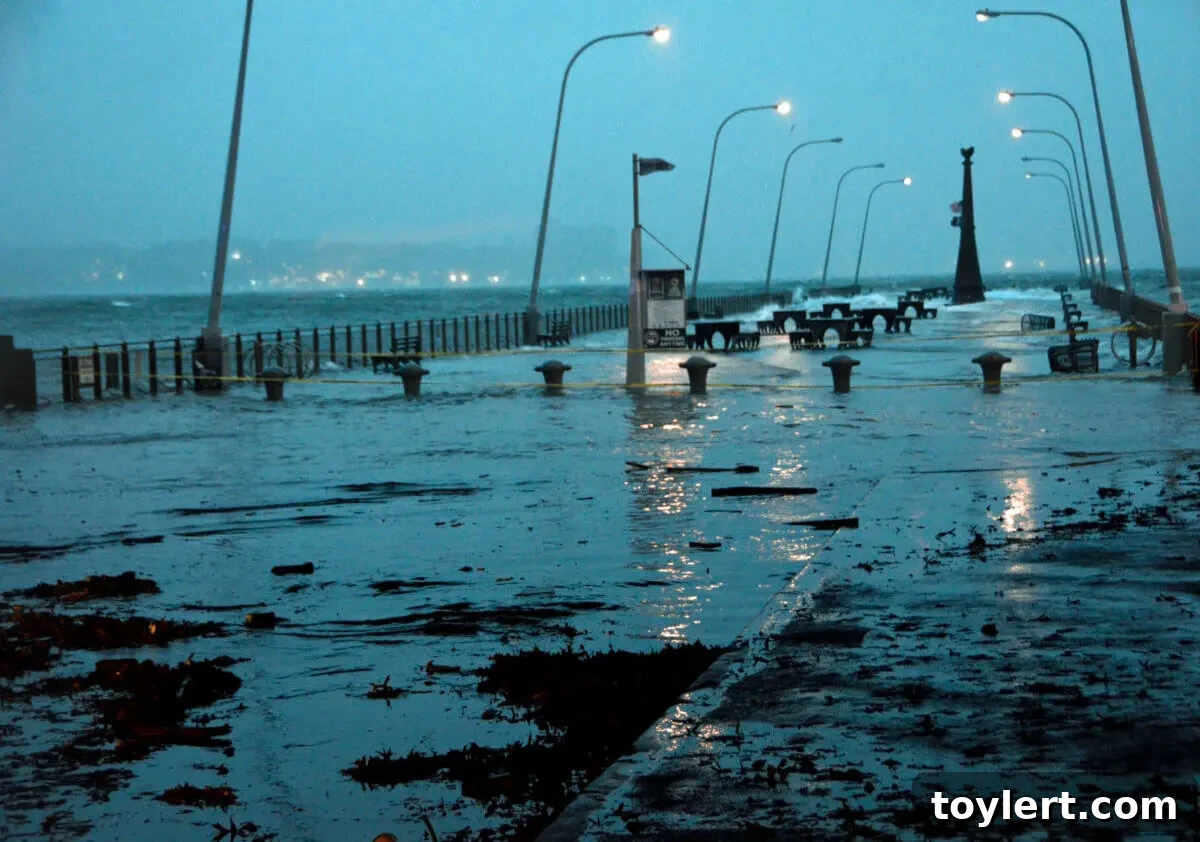
A decade ago, on Saturday, October 29, Superstorm Sandy unleashed its formidable power upon the East Coast, forever altering the landscape and resilience of countless communities. After first slamming into the southern coast of New Jersey, the colossal storm churned northward, engulfing New York City in an unprecedented surge of water. The city’s five boroughs endured historic floods, with water levels soaring up to 14 feet above sea level in some areas. This catastrophic event plunged millions into darkness as power grids failed and inflicted an estimated $19 billion in damages across the metropolitan area, leaving an indelible mark on the city’s history and its residents.
The Perfect Storm: Why Sandy Was So Destructive for New York
While Superstorm Sandy had been downgraded to a tropical storm by the time it made landfall in New York City, its impact was anything but diminished. A unique and perilous confluence of meteorological factors transformed it into the most destructive storm to strike the city in recent memory. Sandy collided with a powerful nor’easter, creating an exceptionally large and slow-moving system. This interaction, coupled with high tides exacerbated by a full moon, allowed the storm to stall over the region, continuously gathering strength and pushing an immense wall of water — a catastrophic storm surge — into New York Harbor and its tributaries. The sheer size of the system meant that its devastating effects were felt far and wide, from coastal communities to inland neighborhoods, making its scale of destruction unparalleled for an urban center.
Brooklyn’s Battle: Coastal Communities on the Front Lines
Among the hardest-hit areas, coastal Brooklyn bore the brunt of Sandy’s fury. Its vibrant waterfront neighborhoods, critical infrastructure, and close-knit communities found themselves directly in the storm’s path, facing unprecedented challenges and widespread destruction.
Coney Island: An Icon Submerged
The legendary Coney Island, a symbol of seaside leisure and entertainment, was particularly devastated. High winds tore through the historic amusement district, ripping apart structures and scattering debris. More catastrophically, the massive storm surge inundated the area, submerging the iconic boardwalk, amusement rides, and surrounding residential streets under feet of saltwater. The salt water proved corrosive, damaging not only the immediate infrastructure but also the electrical systems, homes, and businesses that define this beloved Brooklyn landmark. The aftermath saw a landscape transformed, with dunes of sand deposited onto the boardwalk, a stark reminder of nature’s overwhelming force. Rebuilding Coney Island was not merely about structural repair; it was about restoring the spirit of a community and a cherished destination.
Beyond the amusement park, the residential blocks of Coney Island and Brighton Beach, home to diverse working-class communities, experienced severe flooding. Thousands of residents were displaced, their homes rendered uninhabitable by the corrosive seawater. The economic impact was immediate and profound, as small businesses that relied on the bustling summer season faced immense losses, struggling to reopen and recover in the months and years that followed. The cleanup efforts were monumental, requiring sustained community action and external support to bring life back to these resilient neighborhoods.
Red Hook: A Peninsula Overwhelmed
Further north, the unique geography of Red Hook made it acutely vulnerable. Surrounded by three bodies of water – the Gowanus Bay, Buttermilk Channel, and Upper Bay – the peninsula became an island of devastation, flooded on all sides. This industrial and residential enclave, known for its historic warehouses, artist studios, and tight-knit community, saw its streets transform into canals. Businesses, many housed in ground-level facilities, were completely swamped, their inventories destroyed and machinery rendered useless. The area’s crucial infrastructure, including substations and public housing developments, was severely compromised, leading to prolonged power outages and displacement for many residents.
The close proximity of the water meant that Red Hook’s low-lying areas were particularly susceptible to the storm surge. Homes and businesses alike were deluged, suffering extensive damage from saltwater intrusion. The recovery in Red Hook was a testament to community solidarity, with residents and volunteers coming together to clear debris, pump out water, and provide aid where official resources were slow to arrive. The storm highlighted the urgent need for robust flood protection and resilient infrastructure for this vital waterfront community.
Beyond Brooklyn: Widespread Impact Across New York City
While Brooklyn faced immense devastation, Superstorm Sandy’s destructive reach extended across all five boroughs. Lower Manhattan, particularly the Financial District and Battery Park City, experienced significant flooding, paralyzing the city’s economic heart. Subway tunnels and underground infrastructure were inundated, leading to unprecedented service disruptions. Hospitals, including NYU Langone Medical Center and Bellevue Hospital, were forced to evacuate patients due to power failures and flooding, underscoring the vulnerability of critical urban services.
Power outages were widespread, affecting millions of homes and businesses for days, and in some cases, weeks. The dark city skyline became an eerie symbol of the storm’s power. Transportation ground to a halt as roads became impassable and public transit systems struggled to recover. The total economic impact stretched far beyond the initial cleanup, affecting tourism, small businesses, and the overall productivity of the metropolitan area for months.
Resilience and Recovery: A Decade of Rebuilding
In the aftermath of Superstorm Sandy, New York City embarked on an extraordinary journey of recovery and rebuilding. The immediate response saw a massive outpouring of support from volunteers, local organizations, and government agencies. Communities, particularly in hard-hit areas like Coney Island and Red Hook, demonstrated incredible resilience, banding together to help neighbors, clean up debris, and navigate the complex process of applying for aid and rebuilding their lives.
The years since Sandy have been marked by significant investments in resilience projects. The city has undertaken numerous initiatives to fortify its infrastructure, from raising electrical equipment and building flood barriers to restoring natural wetlands and sand dunes. Programs like Build It Back aimed to help homeowners repair and rebuild, though not without their own set of challenges and criticisms regarding efficiency and equity.
Lessons Learned: Preparing for a Changing Climate
Superstorm Sandy served as a profound wake-up call, starkly illustrating the vulnerabilities of a major coastal city in an era of climate change and rising sea levels. The lessons learned have reshaped New York City’s approach to urban planning, disaster preparedness, and environmental policy.
Key areas of focus have included:
- Infrastructure Hardening: Investing in protective measures such as sea walls, levees, and redesigned utility systems to withstand future extreme weather events.
- Coastal Protection: Implementing natural and engineered solutions to protect shorelines, including beach nourishment, dune restoration, and oyster reefs.
- Community Preparedness: Enhancing emergency response plans, improving communication systems, and educating residents about evacuation routes and storm safety.
- Resilient Building Codes: Updating construction standards to make new and repaired structures more resistant to flooding and high winds.
- Climate Change Mitigation: While recovery focuses on adaptation, the long-term lesson is the urgent need to address the root causes of climate change.
Ten years on, the scars of Superstorm Sandy remain visible in some areas, but they are increasingly overshadowed by signs of renewed strength and innovation. The experience galvanized a commitment to creating a more resilient, sustainable, and equitable city, one better prepared to face the environmental challenges of the 21st century. The anniversary is not just a time for remembrance, but also a crucial opportunity to reflect on progress made and the continued work ahead to safeguard New York City’s future.