Discovering Cos Cob: A Journey into American Impressionism at the Historic Bush-Holley House
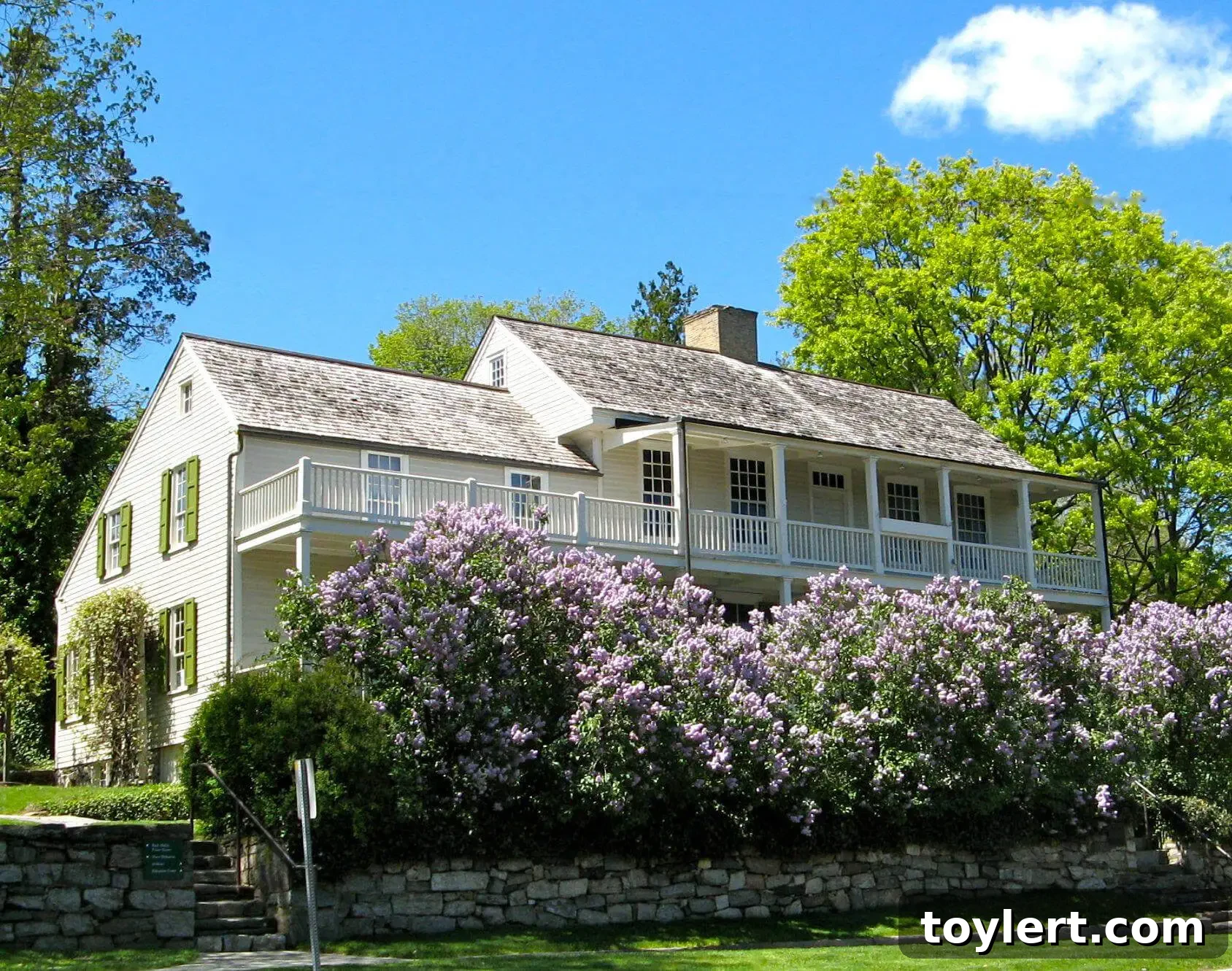
For Brooklynites and New Yorkers seeking an effortless escape from the urban hustle, a journey back in time awaits in the charming coastal town of Greenwich, Connecticut. Much like the discerning city artists of the late 19th century, you can hop on a train and uncover the vibrant legacy of the Cos Cob art colony. At the heart of this historic scene stands the magnificent Bush-Holley House, a beacon of American Impressionism and a testament to a bygone era, meticulously preserved by the Greenwich Historical Society.
This iconic 18th-century structure, originally a private residence, transformed into a thriving boarding house for a constellation of artists and writers from the 1880s to the 1920s. During this golden age, the Bush-Holley House emerged as the undisputed epicenter of Connecticut’s very first art colony. Its sprawling, informal ambiance, coupled with the breathtaking lushness of the surrounding landscape and the serene beauty of the nearby harbor, provided an unparalleled muse for the pioneers of American Impressionism. Artists found not just accommodation, but a collegial community where ideas flowed freely, techniques were shared, and inspiration was drawn from every corner of this idyllic setting.
The Genesis of an Artistic Haven: The Cos Cob Art Colony
The late 19th century witnessed a pivotal shift in American art. Artists, increasingly confident in forging a distinct national identity, began to move away from strictly European academic traditions. Many sought natural settings within their own country that offered unique light, diverse landscapes, and a sense of tranquility. Cos Cob, with its picturesque harbor, winding Mianus River, tidal marshes, and rolling hills, presented an irresistible tableau.
The arrival of prominent artists like John Henry Twachtman and Childe Hassam in the 1890s solidified Cos Cob’s reputation as an artistic retreat. Twachtman, a key figure among “The Ten American Painters,” an influential group of Impressionists, began teaching summer classes, attracting a new generation of artists to the area. The Bush-Holley House, under the proprietorship of Josephine and Edward Holley, became the natural gathering point. The Holleys cultivated an environment that encouraged creativity and camaraderie, offering not just lodging but also a vibrant intellectual and social hub. Here, artists could immerse themselves in their craft, free from the distractions of city life, yet close enough to New York City to maintain connections with the art world.
The colony’s peak years saw a remarkable confluence of talent. Beyond Twachtman and Hassam, other notable figures such as J. Alden Weir, Theodore Robinson, Elmer Livingston MacRae, and Allen Butler Talcott frequented the house and its surroundings. They were drawn by the quality of light, the changing seasons reflected in the landscape, and the supportive atmosphere that fostered artistic experimentation and growth. It was a place where painters truly lived and breathed their art, often painting alongside one another, sharing meals, and engaging in lively discussions that undoubtedly shaped their individual styles and the trajectory of American Impressionism itself.
The Enduring Legacy of the Bush-Holley House
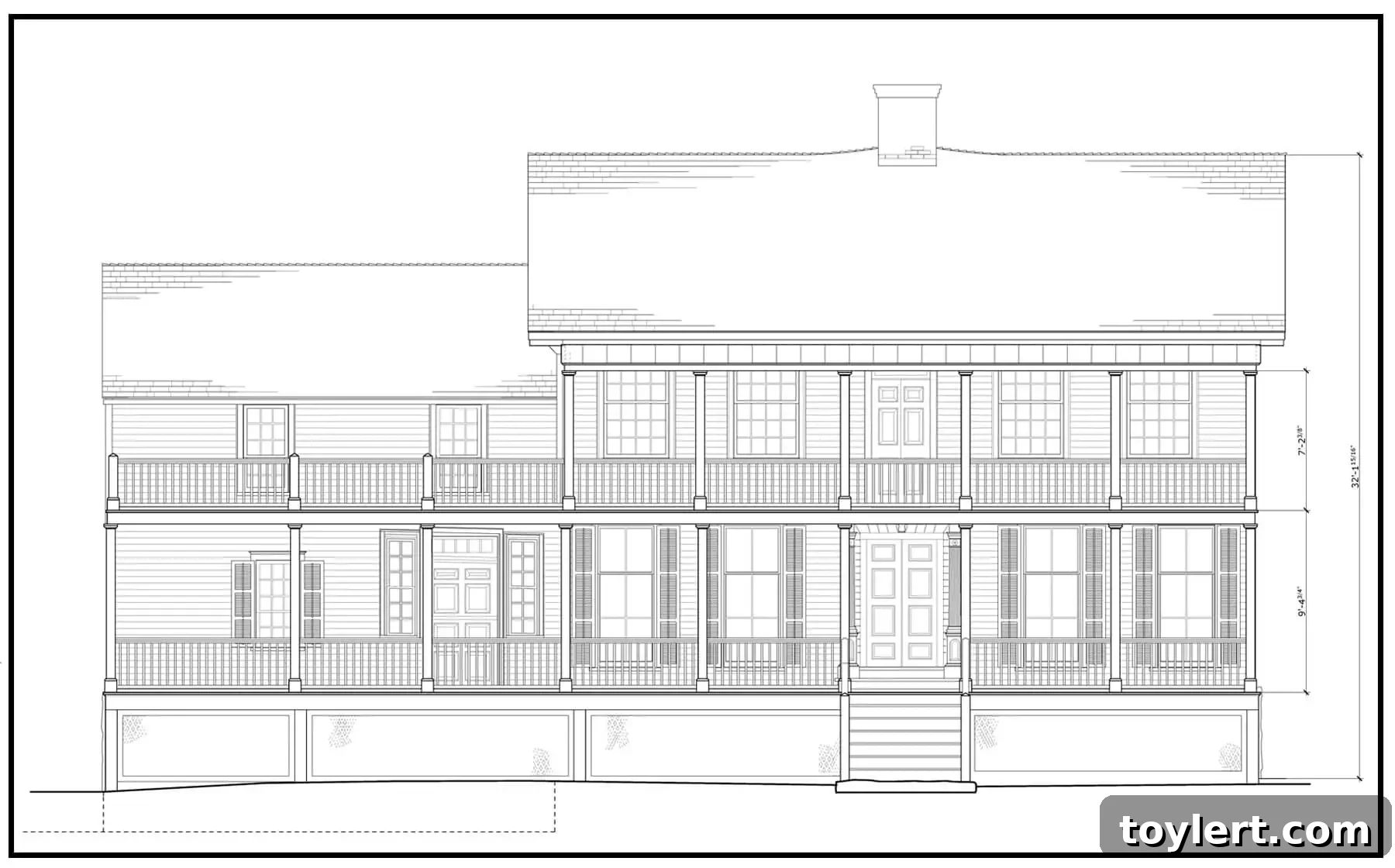
The Bush-Holley House itself boasts a rich and fascinating history, predating its life as an artist’s sanctuary. It began its existence around 1728 as a modest one-room, two-story dwelling. Over the decades, it underwent significant transformations. A larger house was added shortly after its initial construction, and then, between 1755 and 1777, the prominent Bush family meticulously enlarged it into the impressive Georgian-style home we largely recognize today. This period of expansion transformed the structure into a stately residence, reflecting the prosperity and architectural tastes of colonial Connecticut. Subsequent additions and alterations continued into the mid-20th century, each layer contributing to the house’s unique character and historical narrative.
Its evolution from a private family home to a celebrated boarding house for artists and writers is a story of adaptation and cultural significance. The Holley family’s vision to open their doors to creative minds not only sustained the house but also etched its place firmly in American art history. They understood the needs of artists and created a haven where natural beauty met intellectual stimulation. The informal salons held in the living rooms, the shared meals in the dining hall, and the impromptu painting sessions in the gardens all contributed to an atmosphere unparalleled in its ability to foster artistic expression.
The artists who gathered here often found inspiration in the immediate surroundings of the house. The changing light on the harbor, the lush perennial gardens, the rustic charm of the outbuildings, and the picturesque views from the windows all became subjects for their canvases. They experimented with capturing fleeting moments, the subtle shifts in color and atmosphere that define Impressionism. Their works vividly depict the landscape and everyday life of Cos Cob at the turn of the century, offering a unique visual record of the area and the artistic sensibilities of the time.
American Impressionism: A Style Forged in Cos Cob
American Impressionism, while drawing inspiration from its French counterpart, developed its own distinct characteristics, often reflecting a deeper connection to landscape and a slightly more naturalistic approach. The Cos Cob colony played a crucial role in this development. Artists like Twachtman and Hassam, having studied in Europe, brought back Impressionist techniques but applied them to uniquely American subjects and light conditions. They focused on capturing the immediate visual sensation of a scene, using broken brushstrokes, vibrant colors, and an emphasis on light to convey mood and atmosphere.
The local environment provided an endless array of subjects. The serene waters of the Mianus River and Cos Cob Harbor, dotted with boats and reflecting the sky, became recurring motifs. The verdant marshes, with their intricate textures and changing hues throughout the seasons, offered rich opportunities for color study. Even the humble farmhouses, gardens, and everyday activities of the local community found their way onto canvases, imbued with the soft, ethereal light that defined the Cos Cob style. This focus on local scenery helped to root American Impressionism in the country’s own identity, celebrating its diverse landscapes and burgeoning cultural distinctiveness.
The Bush-Holley House not only housed these artists but also served as a stage for their exhibitions and critical discussions. The exchange of ideas, the shared critiques, and the collective pursuit of artistic excellence within its walls made it a true crucible for the American Impressionist movement. It fostered a sense of camaraderie that was vital for artists navigating a new artistic landscape and establishing a uniquely American aesthetic.
Visiting Today: Experiencing History and Art at the Greenwich Historical Society
Today, the Bush-Holley House, meticulously cared for by the Greenwich Historical Society, offers visitors an extraordinary opportunity to step back in time and experience this rich artistic and historical legacy firsthand. It functions not merely as a preserved house but as a vibrant museum, interpreting the dual stories of an 18th-century colonial home and a 19th-century artist’s boarding house.
When you visit, you can explore rooms furnished to reflect different periods, from its colonial origins to its role as a creative hub. Exhibits within the house and the adjoining museum complex delve into the lives of the artists and writers who resided here, showcasing their artworks, personal stories, and the profound impact of the Cos Cob colony on American art. The beautifully maintained gardens provide a tangible connection to the landscapes that inspired so many masterpieces. The Society often hosts special exhibitions, educational programs, and events that further illuminate the history of the house, the art colony, and the broader context of Greenwich’s past.
A day trip to the Bush-Holley House and the Greenwich Historical Society is more than just a visit to a museum; it’s an immersive cultural experience. It offers a unique window into the lives of groundbreaking American artists, a chance to appreciate the architectural evolution of a historic landmark, and an opportunity to connect with the natural beauty that continues to inspire. For those looking to escape the city and delve into a rich vein of American art and history, Cos Cob remains an essential destination, echoing with the creative spirit that once thrived within its picturesque landscape and the venerable walls of the Bush-Holley House.