The Unrelenting March of Development: Lenox Road, Flatbush, at the Epicenter of Brooklyn’s Transformation
Flatbush, a historic and culturally rich neighborhood in Brooklyn, stands at a pivotal moment. Once renowned for its verdant streets lined with majestic Victorian and Edwardian homes, it is now witnessing an accelerated pace of development that promises to reshape its very identity. This transformation is particularly palpable along stretches like Lenox Road, where the demand for new housing and modern amenities is rapidly clashing with the desire to preserve the area’s unique architectural heritage and community character. The ongoing evolution of Flatbush serves as a microcosm of larger trends sweeping across New York City, grappling with housing shortages, investment opportunities, and the inevitable forces of urban change.
A Landmark Transaction Ignites Debate: 100 and 94 Lenox Road
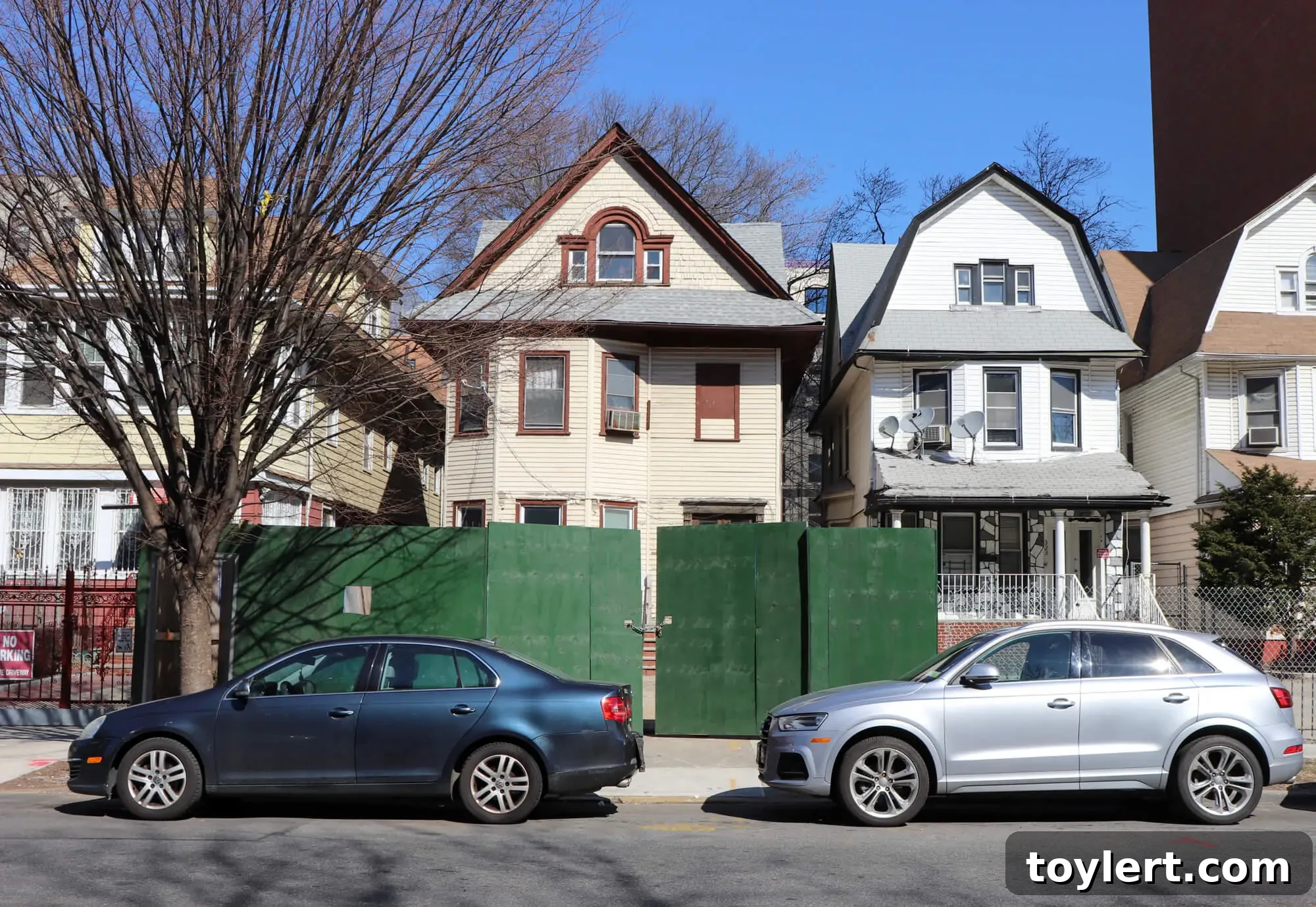
The intensity of this developmental shift was sharply brought into focus in March 2018 with a significant real estate transaction that sent ripples through the Flatbush community. Two exquisite, freestanding Edwardian homes, situated at 100 and 94 Lenox Road, were sold to the Besyata Investment Group for a substantial combined sum of $9.95 million. These homes, quintessential examples of early 20th-century Brooklyn architecture, represented a bygone era of spacious living and intricate craftsmanship. Their sale was not merely a financial exchange; it signaled a potential paradigm shift for the neighborhood, stirring conversations about preservation versus progress.
Following the acquisition, the Besyata Investment Group unveiled ambitious plans to replace these historic structures with an eight-story residential building, encompassing 62 units across both lots. The developer’s website confirmed that these new residences would be offered as condominiums, targeting a market segment keen on contemporary living in a desirable Brooklyn locale. This project epitomizes a prevalent trend in many of New York City’s mature neighborhoods: the replacement of older, often single or two-family homes, with higher-density, multi-unit developments designed to accommodate the city’s growing population and escalating housing demand. While promising new housing stock, such projects inevitably spark debates regarding neighborhood aesthetics, density, and affordability.
Flatbush: A Tapestry of History, Charm, and Community
To fully grasp the implications of developments like those on Lenox Road, it’s essential to understand the unique fabric of Flatbush itself. Historically, Flatbush emerged as a tranquil suburban retreat from the bustling core of Manhattan, particularly in the late 19th and early 20th centuries. It became a haven for those seeking larger homes and greener spaces, fostering a distinct architectural landscape characterized by magnificent Queen Anne, Colonial Revival, and Edwardian styles. Grand wood-frame houses, intricate brickwork, and tree-lined streets define much of its visual appeal, earning it a reputation as one of Brooklyn’s most architecturally significant neighborhoods.
Beyond its striking architecture, Flatbush has long been celebrated for its vibrant, diverse community. It’s a neighborhood rich in cultural institutions, bustling commercial corridors like Nostrand Avenue and Flatbush Avenue, and immediate access to Prospect Park, a jewel of Brooklyn. Its excellent public transportation links, including several subway lines, make it an attractive option for commuters. For decades, Flatbush has offered a unique blend of urban convenience and residential tranquility, making it a highly desirable place to live for a diverse array of residents, from long-time families to new arrivals.
The Driving Forces Behind Brooklyn’s Development Boom
The transformation seen on Lenox Road is not an isolated incident but rather a symptom of broader economic and demographic pressures impacting Brooklyn. Several key factors converge to fuel this intense development activity:
- Housing Demand Crisis: New York City faces an acute housing shortage. With a continually growing population and limited space, developers are incentivized to build upward and increase density, particularly in areas with existing infrastructure and amenities.
- Escalating Property Values: Brooklyn has witnessed an unprecedented surge in property values over the past two decades. Areas once considered more affordable are now prime targets for investment, as land becomes increasingly valuable.
- Strategic Location: Flatbush’s proximity to major transportation hubs, Manhattan, and beloved green spaces like Prospect Park, coupled with its robust local amenities, makes it an exceptionally attractive location for both residents and developers.
- Investor Interest: Real estate investment groups, like Besyata, actively seek opportunities in promising markets. The potential for high returns on new condominium developments, especially in neighborhoods ripe for revitalization, makes them willing to invest substantial capital.
- Zoning Changes and Incentives: While specific zoning changes vary, the broader city planning context often encourages or allows for increased density in transit-rich areas, providing developers with the framework to pursue larger projects.
These forces collectively create a powerful impetus for development, leading to the acquisition of older properties, often at premium prices, for redevelopment into modern, multi-story residential complexes. The economic logic is clear: maximize the use of valuable land to meet market demand.
The Shifting Landscape: Balancing Progress with Preservation
While development brings new housing options and economic activity, it also introduces significant challenges, particularly for neighborhoods with strong historical identities. The case of 100 and 94 Lenox Road highlights the inherent tension between progress and preservation. The demolition of architecturally significant Edwardian homes, even if not officially landmarked, represents a tangible loss of the neighborhood’s historical fabric.
This sparks critical questions within the community: How can Flatbush accommodate growth without sacrificing its unique charm and historical legacy? What is the true cost of replacing character-rich, lower-density housing with modern, higher-density structures? Concerns about gentrification are also prominent, as new, often more expensive, housing can alter the demographic and economic profile of long-standing communities. This can lead to displacement pressures on existing residents and small businesses, threatening the very diversity that makes Flatbush so vibrant.
Community groups and preservationists actively engage in advocacy, striving to protect historic districts, landmark individual properties, and influence zoning decisions. They argue that thoughtful development should integrate new structures harmoniously into the existing environment, respecting the scale, materials, and aesthetic of the surrounding streetscape. The dialogue around these projects often centers on finding a balance that allows for necessary growth while safeguarding the soul of the neighborhood.
Investing in Brooklyn’s Future: The Developer’s Perspective
From the perspective of investment groups like Besyata, developing in Flatbush is a calculated response to market demand and a belief in the long-term value of Brooklyn real estate. New condominium units offer modern amenities, energy efficiency, and contemporary designs that appeal to a specific segment of homebuyers. These developments often include features like fitness centers, communal rooftops, and technologically advanced smart home systems, differentiating them from older housing stock.
Developers argue that their projects contribute to the local economy by creating construction jobs, increasing the tax base, and attracting new residents who will support local businesses. They often highlight the necessity of adding new housing units to alleviate the broader housing crisis, emphasizing that their developments are a crucial part of the solution. Their focus is on delivering high-quality, desirable living spaces in an expanding urban environment, meeting the evolving needs of Brooklynites.
What the Future Holds for Lenox Road and Beyond
The saga of Lenox Road is far from over. As construction proceeds, the new eight-story condominium building will undeniably change the visual landscape of this particular block. This project will serve as a visible marker of Flatbush’s ongoing transformation, likely inspiring further discussion about the future trajectory of the neighborhood. Will other historic properties fall victim to the wrecking ball, or will community efforts succeed in safeguarding more of Flatbush’s architectural treasures?
The future of Flatbush will likely involve a continued balancing act. Development will undoubtedly persist, driven by the strong demand for housing in New York City. However, there is also a growing recognition of the importance of preserving the unique character and history that make neighborhoods like Flatbush so special. This might lead to more adaptive reuse projects, stricter design guidelines, or increased landmarking efforts. The unfolding narrative on Lenox Road is a powerful reminder that urban development is a continuous, dynamic process, shaped by economic forces, policy decisions, and the passionate voices of its residents.
Navigating the Path Forward: Community Engagement and Planning
Ultimately, navigating the complexities of urban development in Flatbush, and indeed across Brooklyn, requires robust dialogue and strategic planning. Effective solutions often emerge from a collaborative approach involving developers, community leaders, city planners, and residents. This can include exploring zoning amendments that protect historic districts, creating incentives for preserving and renovating existing structures rather than demolishing them, and fostering affordable housing initiatives within new developments.
The transformation of Lenox Road highlights the urgent need for a vision that integrates growth with respect for the past. As Flatbush continues its evolution, the goal should be to create a vibrant, inclusive, and sustainable community that honors its rich history while embracing the opportunities of the future. The choices made today concerning development will profoundly shape the legacy of Flatbush for generations to come, determining whether it remains a unique urban oasis or succumbs entirely to the uniform march of modernization.