The Heartbreaking Loss of Crow Hill Community Garden: A Call to Action and Reflection on Urban Green Spaces
The spirit of community gardens across urban landscapes often faces formidable challenges, none more poignant than the loss of a beloved green space. This week brings profoundly sad news to the residents of Crown Heights, Brooklyn: The Crow Hill Community Garden, a vibrant oasis situated at 730 Franklin Avenue between Park and Sterling, is slated for permanent closure. According to the Crow Hill Community Association (CHCA), the land has been sold, necessitating the complete removal of all garden elements by tomorrow evening, Tuesday. Failure to comply risks the destruction of everything that has made this garden a cherished neighborhood fixture.
An Impending Farewell: The Urgency of Relocation Efforts
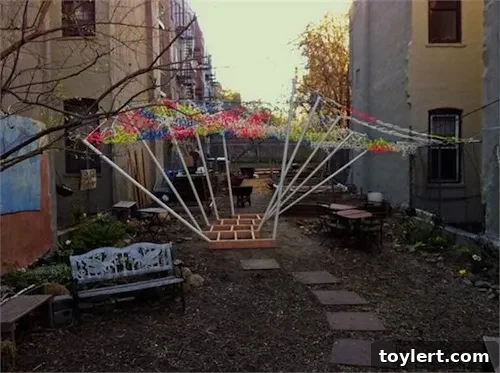
The directive is clear and immediate: every component of the garden—from the diverse plantings and essential gardening tools to the sturdy furniture and intricate paving stones—must be meticulously cleared from the lot. This monumental task includes the dismantling of a significant large-scale art installation, a powerful piece created through the esteemed Art Not Arrests program. This compelling artwork, prominently featured in the accompanying image, is scheduled for removal on Tuesday afternoon, underscoring the swift timeline facing the community.
In response to this urgent situation, the CHCA has issued a heartfelt plea to local residents and volunteers. They are imploring anyone available over the next two days to lend a hand in carefully digging up plants, aiming to relocate them to new, nurturing environments. This collective effort is not just about moving flora; it’s about preserving the life and legacy of a space that has nurtured countless community bonds. Furthermore, if you possess knowledge of potential homes or alternative locations for displaced garden supplies and furniture, the CHCA urges you to reach out to them directly. Every offer of assistance, no matter how small, is a testament to the garden’s profound impact and the community’s unwavering commitment.
Community Resilience in the Face of Loss
The message from the CHCA resonates with both understandable sorrow and a powerful undercurrent of resilience: “We understand how upsetting this is, but it is a community project and as a community we will come through this stronger. Any help you can give over the next 2 days is greatly appreciated.” This sentiment encapsulates the essence of urban community gardens—they are more than just plots of land; they are vital hubs for social interaction, environmental education, and collective action. The immediate future of the Crow Hill Community Garden might be uncertain, but the spirit it fostered is clearly alive and well within its dedicated community members.
To address the unfolding situation and chart a course forward, the CHCA will host an important public meeting this Tuesday at 7:30 PM. The gathering will take place at the Gospel Tabernacle Church, located just across the street at 725 Franklin Avenue. This meeting offers a crucial opportunity for residents, garden enthusiasts, and local stakeholders to discuss the next steps, share ideas for future green initiatives, and reinforce the bonds that define the Crown Heights community.
The Enduring Value of Urban Community Gardens
The story of the Crow Hill Community Garden serves as a potent reminder of the inherent vulnerability and immense value of urban green spaces. Community gardens are often born from grassroots efforts, transforming neglected lots into vibrant ecosystems that offer a multitude of benefits:
- Environmental Stewardship: They contribute to biodiversity, improve air quality, manage stormwater runoff, and create habitats for local wildlife in dense urban environments.
- Food Security and Education: Gardens provide opportunities for residents to grow fresh produce, fostering healthier eating habits and offering invaluable hands-on education about sustainable agriculture.
- Social Cohesion: They act as natural gathering places, fostering intergenerational connections, cultural exchange, and a strong sense of belonging among diverse community members.
- Mental and Physical Well-being: Engaging in gardening activities is proven to reduce stress, promote physical activity, and enhance mental health, offering a vital escape from the urban grind.
- Beautification and Property Value: Transforming vacant lots into lush gardens enhances neighborhood aesthetics and can even contribute positively to local property values, creating more desirable living spaces.
- Public Art and Cultural Expression: As exemplified by the Art Not Arrests installation, these spaces often become canvases for local artists, enriching the cultural fabric of the neighborhood and sparking dialogue.
The potential loss of a garden like Crow Hill represents not just the demolition of physical infrastructure but a significant blow to the social, environmental, and cultural fabric of Crown Heights. It underscores the continuous tension between urban development and the preservation of vital community-led green initiatives. As cities grow and land values skyrocket, community gardens frequently find themselves at the forefront of this struggle, highlighting the need for proactive urban planning that prioritizes green infrastructure alongside economic expansion.
The Legacy of Art Not Arrests and Community Expression
The inclusion of the Art Not Arrests program within the Crow Hill Community Garden is particularly noteworthy. This initiative typically leverages the power of art to address social issues, promote positive community engagement, and offer creative alternatives to punitive measures. The presence of such an installation transformed the garden into more than just a place for cultivation; it was a site of cultural significance and a beacon of social commentary. The dismantling of this artwork signifies not only the physical loss of a piece but also the potential silencing of a powerful message within a public, accessible space. It prompts a reflection on how urban development decisions can inadvertently impact avenues for free expression and community storytelling.
Looking Ahead: Sustaining the Green Spirit of Crown Heights
While the immediate future of the Crow Hill Community Garden is bleak, the spirit of its community is anything but. The call for assistance in relocating plants and supplies is a testament to the enduring power of grassroots efforts. This challenging period also presents an opportunity for the community to regroup, strategize, and perhaps even envision new possibilities for green spaces within Crown Heights. The Tuesday evening meeting at the Gospel Tabernacle Church will be a pivotal moment for collective grieving, strategic planning, and reaffirming the community’s dedication to fostering vibrant, green spaces.
The story of the Crow Hill Community Garden is a microcosm of a larger narrative playing out in urban centers worldwide: the essential balancing act between development and preservation, between economic growth and ecological well-being, and ultimately, between progress and community identity. It is a powerful reminder that while land may be sold, the seeds of community resilience and environmental stewardship can always be replanted.
Residents and supporters are encouraged to attend the meeting, offer their time, or provide resources to ensure that the legacy of the Crow Hill Community Garden continues to flourish in new forms and locations throughout Brooklyn. Your active participation is invaluable in helping the community navigate this transition and emerge stronger, continuing its vital work for urban greening and collective well-being.