Understanding Residential Fires: A Community’s Call to Vigilance
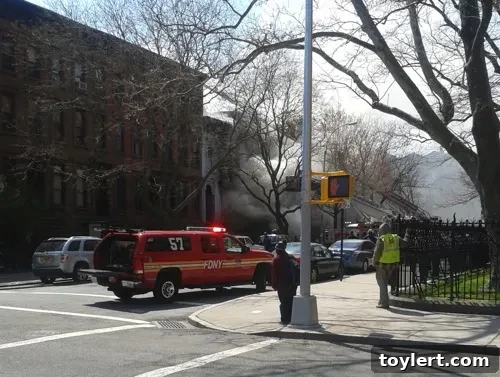
The image above captures a moment of intense concern: a house engulfed in flames at the intersection of Putnam and Marcy avenues in Bed-Stuy. This vivid photograph serves as a stark reminder of the unpredictable and devastating nature of residential fires, an event that can dramatically alter lives and communities in mere minutes. While the specific details surrounding this particular incident may prompt questions about its origins and immediate aftermath, it also opens a broader discussion on fire safety, prevention, and the crucial role of community preparedness.
Fires like the one pictured are more than just property damage; they represent a significant disruption to daily life, often leading to displacement, emotional trauma, and substantial financial burdens for affected families. In dense urban neighborhoods such as Bed-Stuy, Brooklyn, where historic brownstones and multi-family dwellings are common, the risk of a fire spreading can be particularly acute, underscoring the importance of swift emergency response and robust community support systems.
The Immediate Impact: When Flames Erupt
When a fire breaks out, the scene is often chaotic and terrifying. Smoke billows, sirens wail, and the immediate focus shifts to ensuring the safety of residents and containing the blaze. First responders, particularly the firefighters of the FDNY, arrive quickly, demonstrating incredible bravery and skill in confronting the inferno. Their priority is always to rescue individuals trapped inside, followed by efforts to extinguish the fire and prevent it from spreading to adjacent properties. This rapid deployment of resources is critical in mitigating loss of life and minimizing structural damage.
For onlookers and neighbors, such an event is a powerful visual spectacle, but also a deeply unsettling one. Questions naturally arise: Is everyone safe? What caused this? How can we help? These are the initial ripples of impact that extend far beyond the immediate flames, affecting the fabric of the neighborhood and highlighting the shared vulnerability we all face against such unpredictable dangers.
Common Causes of House Fires: A Preventable Threat
While the exact cause of the Putnam and Marcy fire would require an official investigation, most residential fires stem from a surprisingly common set of circumstances. Understanding these prevalent causes is the first step towards effective prevention:
- Cooking Accidents: Unattended cooking, especially frying with oil, is a leading cause. Grease fires can escalate rapidly, and leaving food on the stove without supervision is a dangerous oversight.
- Electrical Malfunctions: Faulty wiring, overloaded circuits, damaged cords, or misused extension cords can generate excessive heat, leading to sparks and fires. Older homes, in particular, may have outdated electrical systems that are more prone to issues.
- Heating Equipment: Malfunctioning furnaces, portable heaters placed too close to combustible materials, or poorly maintained chimneys can all ignite fires.
- Smoking Materials: Carelessly discarded cigarettes, especially when smoking in bed or while drowsy, can easily ignite bedding, furniture, or carpets.
- Candles: Open flames, when left unattended or placed too close to curtains, paper, or other flammable objects, pose a significant risk.
- Children Playing with Fire: Matches, lighters, or even curiosity can lead to devastating consequences when children are left unsupervised or are not educated about fire dangers.
- Arson: Though less common, intentional acts of fire-setting can occur, necessitating law enforcement involvement.
Recognizing these common culprits empowers homeowners and renters to take proactive steps, transforming their living spaces into safer environments.
Proactive Measures: Cultivating a Culture of Fire Safety
Preventing fires and preparing for emergencies is a collective responsibility. Implementing simple, yet effective, safety measures can dramatically reduce the risk of a fire and increase the chances of survival should one occur. Here are essential tips for cultivating a culture of fire safety:
Smoke Detectors: Your First Line of Defense
- Install and Maintain: Ensure smoke detectors are installed on every level of your home, inside and outside sleeping areas. Test them monthly and replace batteries at least once a year (or switch to 10-year sealed battery units).
- Carbon Monoxide Detectors: In addition to smoke alarms, install carbon monoxide detectors, especially if your home has fuel-burning appliances.
Kitchen Safety: The Heart of the Home, a Common Fire Source
- Stay Alert While Cooking: Never leave cooking food unattended. If you must leave the kitchen, turn off the stove.
- Keep Clear: Maintain a clear perimeter around your stove and oven, free from towels, oven mitts, paper products, and other flammable items.
- Know How to React: If a small grease fire starts, slide a lid over the pan to smother the flames and turn off the heat. Never use water on a grease fire.
Electrical Safety: Power with Caution
- Inspect Cords: Regularly check electrical cords for fraying or damage. Replace any faulty cords immediately.
- Avoid Overloading Outlets: Do not overload electrical outlets or extension cords. Use surge protectors for sensitive electronics.
- Professional Help: For any significant electrical work or concerns about your home’s wiring, always consult a qualified electrician.
Heating and Appliance Safety
- Space Heater Rules: Keep portable heaters at least three feet away from anything combustible (curtains, bedding, furniture). Turn them off when leaving a room or going to sleep.
- Chimney Maintenance: If you have a fireplace or wood-burning stove, have your chimney inspected and cleaned annually by a professional.
- Dryer Vents: Clean your dryer’s lint trap after every use and regularly inspect and clean the dryer vent to prevent lint buildup, a common fire hazard.
Candle and Smoking Safety
- Candle Care: Place candles on sturdy, non-flammable surfaces, away from anything that can burn. Extinguish them before leaving a room or going to sleep. Consider flameless LED candles as a safer alternative.
- Responsible Smoking: If you smoke, do so outdoors. If smoking indoors, use deep, sturdy ashtrays and ensure all smoking materials are completely extinguished.
Emergency Preparedness: Your Escape Plan
- Create an Escape Plan: Develop and practice a home fire escape plan with all family members. Identify at least two ways out of every room.
- Designate a Meeting Point: Choose a safe outside meeting place a reasonable distance from your home where everyone can gather after escaping.
- Practice Drills: Conduct fire drills regularly, both during the day and at night, to ensure everyone knows what to do in an emergency.
- Know When to Stay Out: Once you are out, stay out. Never re-enter a burning building for any reason.
The Vital Role of Emergency Services and Community Support
When prevention fails, the New York City Fire Department (FDNY) stands as an unwavering pillar of protection. Their highly trained personnel are equipped not only to combat the most aggressive fires but also to provide critical emergency medical services. The FDNY’s commitment extends beyond immediate response; they actively engage in community education programs, teaching fire safety to residents of all ages and fostering a culture of preparedness throughout the city.
Beyond the immediate emergency, the aftermath of a house fire often requires extensive community support. Organizations like the American Red Cross swiftly step in to provide temporary shelter, food, clothing, and emotional support to families displaced by fires. Neighbors and local community groups also play a crucial role, offering practical assistance and solidarity during a deeply challenging time. This network of support underscores the resilience of communities like Bed-Stuy, demonstrating how adversity can often bring people closer together.
Conclusion: A Continuous Commitment to Safety
The image of the burning house on Putnam and Marcy serves as a powerful testament to the destructive potential of fire. However, it also highlights an opportunity for every individual to become an active participant in fire prevention and safety. By understanding common causes, implementing preventative measures, and having a clear emergency plan, we can significantly reduce risks and protect our homes and loved ones.
Fire safety is not a one-time check but a continuous commitment. It requires vigilance, education, and a community-wide effort to ensure that our neighborhoods remain safe and secure. Let this reminder from Bed-Stuy inspire us all to review our own safety practices, engage in community preparedness, and stand united in the face of potential hazards, fostering a safer environment for everyone.