Preserving Brooklyn’s Architectural Heritage: Prospect Lefferts Gardens Rallies for Melrose Parkside Historic District
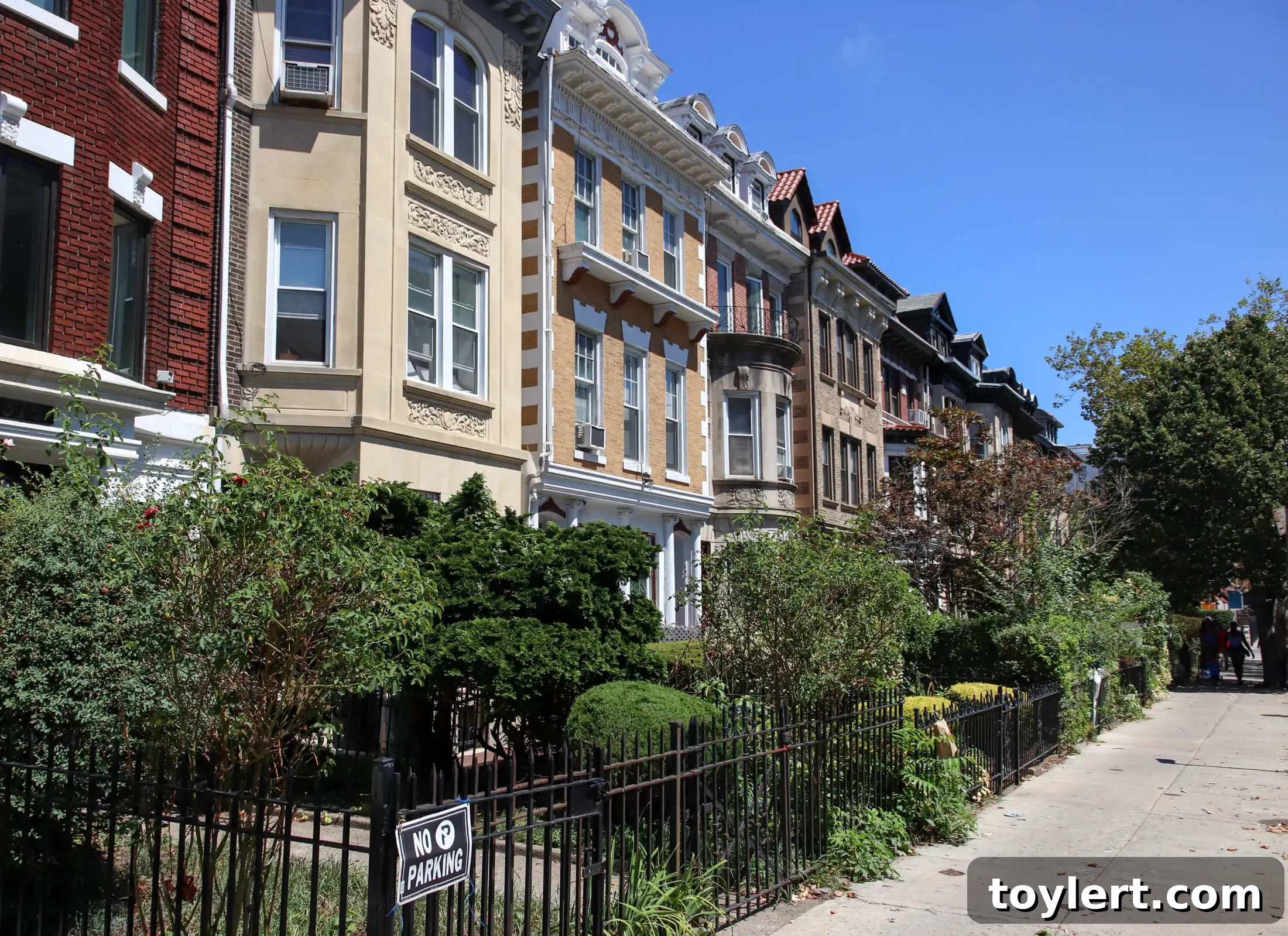
In a powerful display of community unity and commitment to historical preservation, residents of Prospect Lefferts Gardens overwhelmingly voiced their support for designating two distinctive rows of townhouses on Parkside Avenue as a historic district. At a recent Landmarks Preservation Commission (LPC) hearing, locals articulated that any perceived inconveniences associated with landmarking were a “worthwhile tradeoff” to safeguard these magnificent, more than century-old homes from potential demolition or inappropriate alterations. This consensus reflects a deep appreciation for the unique architectural character and historical narrative embedded within this charming Brooklyn neighborhood.
The proposed Melrose Parkside Historic District encompasses a remarkably cohesive and exceptionally well-preserved collection of 38 houses situated along Parkside Avenue, stretching between the bustling Flatbush and Bedford avenues. These residences, all meticulously constructed within a six-year window between 1909 and 1915, represent a significant chapter in Brooklyn’s rapid urban expansion and architectural evolution during the early 20th century. The district showcases a fascinating blend of housing types, reflecting the diverse needs and aspirations of the growing middle class in Brooklyn at the time.
The Distinctive Architecture of Parkside Avenue: Kinko Houses and “Easy Housekeeping”
Central to the district’s unique appeal are 20 two-family Kinko houses. This innovative architectural style, notably originating in Brooklyn, features separate entrances for each duplex unit, a design element that offered both privacy and practicality for multi-generational families or those seeking rental income. Kinko houses are characterized by their thoughtful layouts, often incorporating distinct architectural flourishes that belie their dual-residency purpose. Their presence on Parkside Avenue speaks to a period of pragmatic yet elegant housing solutions, allowing more families to enjoy the benefits of spacious, well-designed homes within a burgeoning urban landscape.
Complementing the Kinko houses are 18 single-family row houses, initially marketed as “easy housekeeping” homes. This designation, popular in early 20th-century real estate advertisements like those highlighted in historic Brooklyn listings, signified residences designed with modern conveniences aimed at simplifying domestic chores and enhancing quality of life for the homeowners. These homes often featured more compact, efficient layouts, improved kitchen facilities, and reduced maintenance, appealing to a demographic that valued both comfort and convenience in their urban dwellings. Together, the Kinko houses and the “easy housekeeping” homes form a visually harmonious streetscape, each contributing to the rich tapestry of early Brooklyn residential architecture.
Masterminds Behind the Design: Benjamin Driesler and Axel Hedman
The architectural distinction of the Parkside Avenue rows is further elevated by the involvement of two of Brooklyn’s most prominent and prolific architects of the era: Benjamin Driesler and Axel Hedman. Both architects left an indelible mark on Brooklyn’s streetscapes, known for their innovative designs, quality craftsmanship, and ability to blend various architectural styles popular at the time, including Neo-Colonial, Arts and Crafts, and Renaissance Revival influences. Driesler, celebrated for his elegant townhouses and apartment buildings across Flatbush and beyond, brought a sense of refined classicism to his designs. Hedman, another cornerstone of Brooklyn’s architectural scene, was known for his thoughtful compositions and attention to detail, creating homes that were both beautiful and highly functional. Their combined expertise shaped the distinctive character of the Parkside Avenue houses, making them prime examples of the era’s best residential architecture.
These architectural gems were commissioned by two forward-thinking developers, William A. A. Brown and Eli H. Bishop & Son. Their vision for creating high-quality, aspirational housing in a rapidly developing area like Prospect Lefferts Gardens played a crucial role in shaping the neighborhood’s enduring charm and desirability. The collaboration between these developers and the esteemed architects resulted in a housing stock that has stood the test of time, reflecting a golden age of Brooklyn’s architectural and urban development.
A Community’s Fight for Preservation: The Road to Landmarking
The journey to formal historic district designation for the Melrose Parkside houses has been a grassroots, community-driven effort spanning several years. A dedicated group of local residents, recognizing the invaluable architectural and historical significance of their street, initiated a petition to have the houses landmarked in 2016. This passionate advocacy group meticulously compiled research, documented the architectural integrity of the homes, and rallied widespread community support, demonstrating a profound commitment to protecting their neighborhood’s unique heritage.
Their persistent efforts culminated in a significant milestone in August, when the Landmarks Preservation Commission voted to officially consider the proposed Melrose Parkside Historic District. This “calendaring” vote is a crucial step in the landmarking process, signifying that the LPC acknowledges the architectural and historical merit of the area and will proceed with a comprehensive review. The recent public hearing served as a vital platform for community members to formally express their support, highlighting the deep emotional connection residents have to their homes and the collective desire to safeguard them for future generations.
The Significance of Historic District Designation: Benefits and Considerations
Designating the Melrose Parkside area as a historic district offers numerous benefits that extend beyond mere preservation. Fundamentally, it provides a crucial layer of protection against demolition, ensuring that these irreplaceable, century-old structures remain a vibrant part of Brooklyn’s urban fabric. Landmarking also guards against inappropriate alterations that could compromise the architectural integrity and aesthetic cohesion of the streetscape, thereby maintaining the neighborhood’s distinctive character and charm.
Beyond protection, historic district status often fosters a heightened sense of community pride and identity. Residents gain a collective stewardship over their built environment, reinforcing the neighborhood’s unique narrative and contributing to its long-term stability and appeal. While some may view the restrictions on exterior renovations—such as the need for LPC approval for certain changes and adherence to specific design guidelines—as an inconvenience, the overwhelming sentiment among Prospect Lefferts Gardens residents is that these measures are a small price to pay. They represent a “worthwhile tradeoff” to avert the irreversible loss of historical and architectural assets, ultimately preserving the very essence that makes Parkside Avenue so special.
The LPC’s guidelines ensure that any future modifications respect the original design, materials, and overall aesthetic of the district, thereby safeguarding its timeless appeal. This thoughtful approach to development ensures that the historical legacy of architects like Benjamin Driesler and Axel Hedman, and developers like William A. A. Brown and Eli H. Bishop & Son, continues to be honored and appreciated.
Prospect Lefferts Gardens: A Tapestry of History and Community
The proposed Melrose Parkside Historic District is not merely about a collection of buildings; it is about preserving a vital piece of Prospect Lefferts Gardens’ identity. This neighborhood, renowned for its stately architecture, tree-lined streets, and proximity to the iconic Prospect Park, boasts a rich history dating back to its development as a premier residential area in the late 19th and early 20th centuries. The houses on Parkside Avenue are integral to this narrative, reflecting the aspirations of Brooklynites during a period of immense growth and architectural innovation.
The community’s fervent advocacy for landmarking underscores a broader understanding that these homes are more than just structures; they are repositories of history, culture, and countless personal stories. They contribute significantly to the neighborhood’s visual appeal and livability, acting as a tangible link to Brooklyn’s past while continuing to serve as cherished homes for contemporary residents.
Looking Ahead: A Future Rooted in Preservation
With overwhelming community support demonstrated at the recent hearing, the Melrose Parkside Historic District moves closer to formal designation. The Landmarks Preservation Commission will now undertake further review, considering all input and historical data before making a final determination. The strong, unified voice of Prospect Lefferts Gardens residents sends a clear message: the architectural legacy of Parkside Avenue is an invaluable treasure, deserving of permanent protection.
This initiative represents a shining example of how engaged communities can actively shape the future of their neighborhoods by honoring their past. By safeguarding these architecturally significant townhouses, Prospect Lefferts Gardens is not only preserving a beautiful streetscape but also reinforcing its identity as a historically rich and vibrant corner of Brooklyn, ensuring that its unique charm and heritage continue to inspire for generations to come.