Williamsburg’s Explosive Growth: A Deep Dive into North Brooklyn’s Development Boom
Williamsburg, Brooklyn, stands as a testament to dynamic urban evolution, having undergone a profound transformation from its industrial roots to becoming one of New York City’s most coveted and trendsetting neighborhoods. This dramatic metamorphosis was largely catalyzed by an unprecedented surge in residential development, a trend that gained significant momentum in the early 2010s. A comprehensive report, originally highlighted by the New York Post, meticulously detailed the substantial pipeline of new developments slated for completion by 2014, unveiling a decisive shift towards a rental-dominant housing market. This period marked a crucial turning point, fundamentally reshaping the demographic and economic fabric of North Brooklyn for decades to follow.
The report forecasted an impressive 1,324 new residential units entering the market by the close of 2014. A striking revelation was that the overwhelming majority of these new units were conceived and executed as rentals, rather than for-sale condominiums. This particular trend was not merely coincidental but reflective of broader post-recession economic shifts and evolving preferences among urban dwellers, who increasingly valued the flexibility, comprehensive amenities, and often lower upfront costs associated with high-quality rental properties. This significant influx of new housing stock was poised to exert a substantial influence on both the availability and pricing dynamics within the competitive Williamsburg real estate market, drawing a fresh wave of residents to its vibrant streets.
The Ascendancy of Rentals: Defining Williamsburg’s Modern Housing Landscape
The pronounced preference for developing rental units over condos in the immediate years following the 2008 financial crisis was a calculated response to prevailing market conditions. The appetite for large-scale condominium purchases had experienced a temporary cooling period, leading developers to pivot their strategies. They keenly identified a robust and growing demand for sophisticated, amenity-rich rental apartments, particularly among young professionals, creative individuals, and even burgeoning families seeking a dynamic urban lifestyle without the long-term financial commitment and responsibilities of homeownership. Furthermore, rental developments typically offered developers quicker returns on investment and a more predictable revenue stream in a still-cautious economic environment.
This strategic focus allowed developers to mitigate inherent risks while fully capitalizing on Williamsburg’s rapidly escalating appeal. The neighborhood, celebrated for its burgeoning arts scene, vibrant nightlife, diverse culinary landscape, and exceptional transit connectivity to Manhattan, naturally positioned itself as a prime destination for those desiring a modern, convenient, and culturally rich living experience. The proliferation of numerous new rental buildings, frequently boasting state-of-the-art fitness centers, chic communal lounges, panoramic rooftop terraces, and dedicated concierge services, significantly amplified its allure. These offerings collectively established a new benchmark for upscale urban living, not just in Brooklyn, but across New York City.
Pivotal Developments Shaping the 2014 Horizon and Beyond
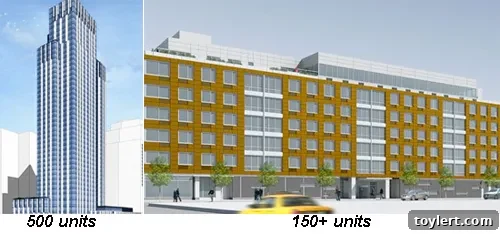
Among the myriad projects contributing to this expansive development boom, one stood out prominently for its sheer scale and transformative impact: the third phase of the iconic Northside Piers complex. Douglaston Development, a distinguished and influential force in the New York City real estate arena, spearheaded this ambitious undertaking, adding approximately 500 new units to the market. Strategically positioned along the picturesque waterfront, Northside Piers rapidly became a quintessential symbol of luxury living in Williamsburg, providing residents with unparalleled, breathtaking vistas of the Manhattan skyline, direct access to the serene waterfront promenade, and an extensive suite of premium amenities. The successful completion of its third tower further cemented its status as a landmark development, attracting a substantial new population segment to the thriving North Williamsburg waterfront area.
Beyond these colossal developments, a multitude of smaller yet equally significant projects contributed holistically to the overall housing surge. These diverse ventures encompassed everything from bespoke boutique buildings ingeniously repurposing former industrial spaces to thoughtfully designed mid-rise structures that seamlessly integrated into the existing architectural fabric of older blocks. Collectively, these projects introduced a greater diversity to the housing stock, catering to a broader spectrum of tastes and preferences, albeit predominantly within the high-end rental segment. This blend of large-scale and intimate developments ensured that Williamsburg’s growth was both comprehensive and responsive to market demands.
Immediate Market Additions: A Glimpse into Early 2012’s Rapid Pace
While the broader 2014 outlook painted a compelling picture of future growth, certain developments were poised to enter the market much sooner, offering immediate housing solutions and expanded choices to eager prospective renters. A particularly noteworthy example highlighted in the original report was 170 North 5th Street. Initially conceptualized and planned as a condominium project comprising 16 units, dynamic shifts in market conditions necessitated its strategic re-branding and subsequent release as a rental property. This astute pivot perfectly encapsulated the broader development trend: a pragmatic adaptability from developers to evolving market signals, ensuring optimal occupancy rates and robust financial viability.
Projects like 170 North 5th Street, despite their comparatively smaller footprint next to the colossal waterfront towers, played an indispensable role in populating Williamsburg’s interior blocks with modern, desirable residences. They frequently incorporated new retail spaces on their ground floors, contributing significantly to the neighborhood’s already vibrant street life and providing crucial support for local businesses. The impressive speed from initial construction to market availability underscored the urgency and efficiency with which developers responded to the seemingly insatiable demand for quality housing within this burgeoning and highly sought-after Brooklyn enclave.
The Far-Reaching Impact of Williamsburg’s Development Surge on the Community
The substantial influx of more than 1,300 new residential units, primarily as rentals, exerted a profound and multifaceted impact across various aspects of Williamsburg. Economically, this development boom acted as a powerful engine for job creation, stimulating employment in the construction sector, real estate services, and a wide array of ancillary industries. Furthermore, it attracted a new demographic of consumers to the area, significantly bolstering local businesses – from independent boutiques and artisanal cafes to established restaurants and thriving entertainment venues. The resultant increase in population density also invariably necessitated and spurred improvements in essential public infrastructure, including public transportation networks, green spaces and parks, and educational facilities, albeit often with an inevitable temporal lag.
Sociologically, the development boom undeniably accelerated the process of gentrification. While undeniably bringing modernization, economic vitality, and enhanced services to the area, it also contributed to a significant escalation in rents and overall property values. This phenomenon, in turn, rendered the neighborhood progressively less accessible to long-term residents, including many of the artists and creative individuals who had initially cultivated and contributed to its unique bohemian charm. This inherent tension between fostering progressive growth and diligently preserving the authentic character of the neighborhood remains a complex, ongoing, and frequently debated dialogue within the Williamsburg community.
From a cultural perspective, the arrival of new residents, often highly educated professionals and creative entrepreneurs, contributed to an increasingly diverse and dynamic social fabric. The heightened demand for upscale amenities and sophisticated lifestyle services fostered the rapid growth of new businesses and cultural institutions tailored to their preferences, further cementing Williamsburg’s distinguished reputation as a premier destination for luxury living and cultural innovation within Brooklyn. The vibrant and continuously evolving mix of historic and contemporary residents, long-standing and new businesses, and an eclectic blend of architectural styles continues to define Williamsburg’s distinctive and globally recognized identity.
Williamsburg’s Enduring Appeal and Future Trajectory
Even years following the concentrated development surge of 2010-2014, Williamsburg’s magnetic appeal shows no signs of waning. It consistently remains a powerful magnet for individuals and families alike who are seeking a truly vibrant, cutting-edge urban experience. Its unparalleled connectivity, particularly facilitated by the L and J/M/Z subway lines, provides rapid and convenient access to Manhattan, while its extensive array of meticulously maintained parks, world-class cultural institutions, and a thriving local economy offer a complete and enriching living experience right within Brooklyn itself.
The robust foundations meticulously laid by the residential developments of the early 2010s have effectively cultivated a resilient and dynamic real estate market. While the intense pace of new construction may have naturally modulated over time, the underlying demand for high-quality housing, particularly for desirable rental units, continues to remain exceptionally strong. Developers consistently explore fresh opportunities, albeit with a more nuanced and strategic approach, frequently prioritizing sustainable design principles, innovative mixed-use projects, and deeper community integration to ensure harmonious growth.
Williamsburg’s remarkable journey from an industrial waterfront backwater to a globally recognized urban hotspot stands as a compelling testament to the transformative power of strategic urban regeneration. The pivotal period between 2010 and 2014, characterized by its substantial influx of new rental units, represents a critical and defining chapter in this ongoing narrative. It unequivocally solidified Williamsburg’s status as a premier residential destination and a dynamic cultural epicenter. The neighborhood serves as a prime example of how thoughtful, strategic development can profoundly reshape a city, injecting new vitality, attracting diverse residents, and creating unprecedented opportunities, all while continuously navigating the inherent complexities and challenges of accelerated growth and inevitable change.
For individuals and organizations keenly interested in the evolving landscape of Brooklyn real estate, Williamsburg remains an indispensable case study. Its unique trajectory offers invaluable insights into prevailing market trends, effective development strategies, and the intricate, delicate balance required between progressive development and the vital preservation of cultural heritage in an increasingly urbanized world. The statistics and projections from 2014 were far more than mere numbers; they were potent harbingers of a lasting and profound transformation that continues to define one of New York City’s most iconic and influential neighborhoods.