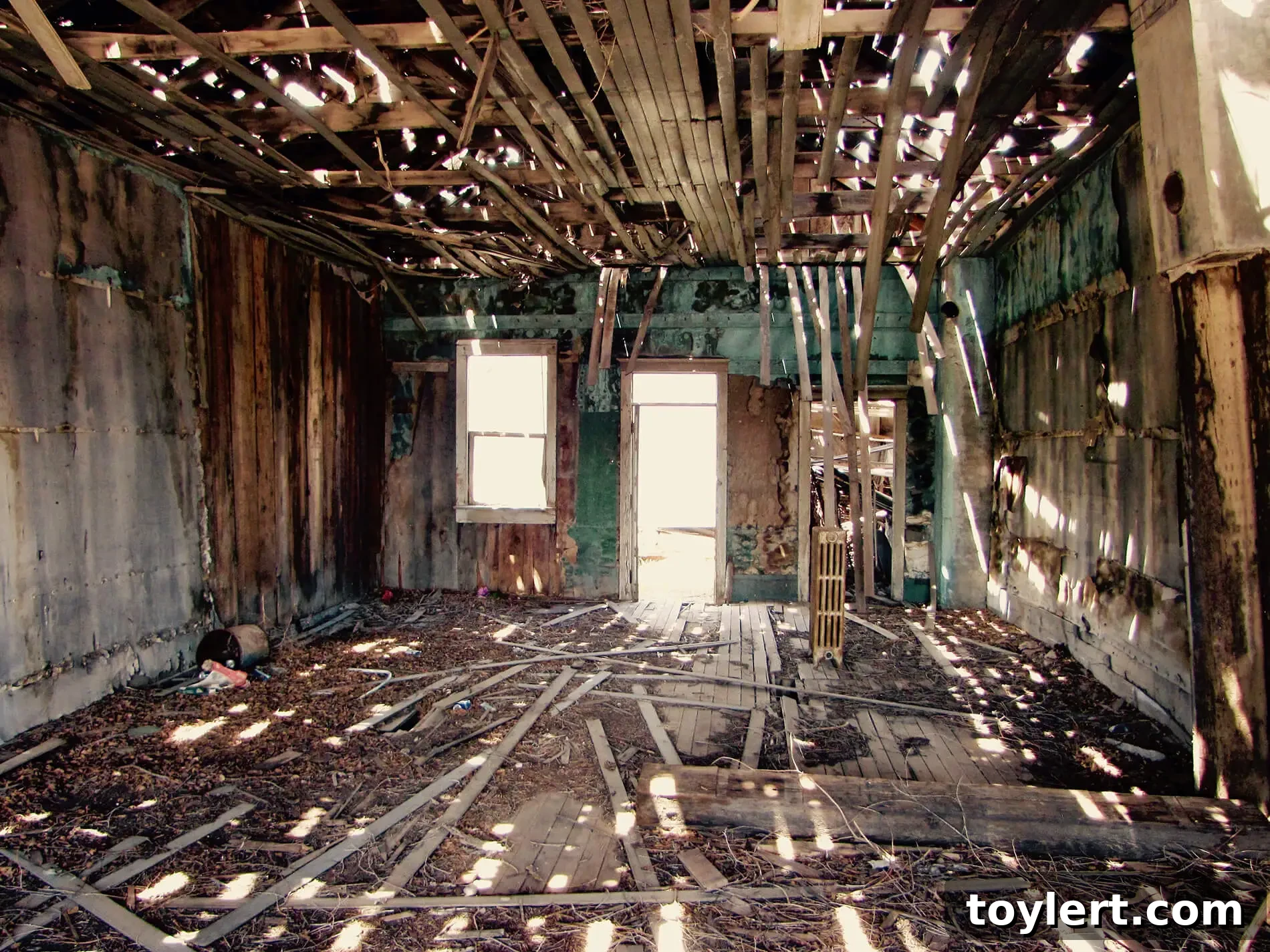
Navigating the Nightmare: Legal and Practical Solutions for Homeowners Facing Abandoned Party Wall Properties
The dream of homeownership can quickly turn into a protracted nightmare when a neighboring property falls into disrepair, particularly if it’s an abandoned townhouse sharing a party wall. The unique challenges posed by a neglected, adjacent structure can range from significant structural damage to plummeting property values, not to mention the emotional toll on affected homeowners. When an abandoned property next door begins to compromise the structural integrity or habitability of your home, understanding your legal and practical options becomes paramount. This comprehensive guide aims to shed light on the complexities of such situations, offering a clear roadmap for homeowners grappling with these frustrating and often costly issues.
The Unseen Threat: When Your Neighbor’s Neglected Property Becomes Your Problem
An abandoned townhouse, left to the ravages of time and neglect, can exert a profound and detrimental impact on a shared party wall. Over time, lack of maintenance can lead to a cascade of problems that directly affect your property. These issues are not merely aesthetic; they represent tangible threats to your investment and your peace of mind. Homeowners often find themselves in a precarious position, observing the slow decay of a neighboring building while feeling powerless to intervene.
Common problems stemming from an abandoned party wall property include:
- Structural Integrity Issues: Water infiltration through damaged roofs or walls can cause rot, mold, and foundational cracks that spread to your side of the party wall.
- Pest Infestations: Abandoned properties become breeding grounds for rodents, insects, and other pests, which can easily migrate into your home, posing health risks and requiring expensive extermination.
- Safety Hazards: Collapsing structures, unsecured debris, or fire risks originating from the abandoned property can directly endanger your family and property.
- Decreased Property Value: The blight of a derelict property next door significantly diminishes the curb appeal and market value of your home, making it harder to sell or refinance.
- Drainage and Water Damage: Clogged gutters, overgrown landscaping, and faulty drainage systems on the abandoned property can redirect water towards your foundation, causing erosion and flooding.
- Nuisance and Unsightliness: Beyond physical damage, the mere presence of a neglected, unsightly property can create an ongoing nuisance, impacting your quality of life.
These challenges highlight the urgent need for affected homeowners to take proactive steps, even when the path forward seems unclear and the owner is elusive.
The First Steps: Initial Discovery and Gathering Information
The initial instinct for many homeowners is to consult an attorney. While this is a crucial step, attorneys often face limitations in uncovering information about the owner of an abandoned property, especially if traditional contact methods fail. The initial consultation might confirm the owner’s name, but deeper investigation is usually required.
The Attorney’s Role and Its Limits
An attorney can advise on your rights and potential legal avenues, but their ability to track down a truly absentee owner is often restricted. They typically begin with public records searches, but if the owner has moved without updating their address, or if the property is part of an estate, tracing them can be complex. Their primary value at this stage is to prepare you for potential litigation and advise on necessary documentation.
Unearthing the Owner: Digging Deeper
Before any significant legal action can be pursued, you absolutely must endeavor to locate the legal owner of the abandoned property. This process can be painstaking, but it is a fundamental prerequisite for moving forward. Here’s how homeowners, often with the guidance of their legal counsel, can dig deeper:
- Public Records Search: Start with the county recorder’s office, assessor’s office, or tax collector’s office. These departments maintain records of property ownership, tax payments, and assessed values. They may have the last known mailing address for the owner.
- Probate Court Records: If the owner is deceased, the property may be part of an estate in probate. Checking probate court records can reveal the executor or heirs responsible for the property.
- Title Search: A professional title company can perform a comprehensive title search, which traces the chain of ownership and any outstanding liens or mortgages. This often reveals more contact information or legal entities involved with the property.
- Skip Tracing Services: If public records yield nothing, a private investigator or a skip tracing service can use specialized databases to locate individuals based on names, last known addresses, and other identifiers. This is a more aggressive step but can be highly effective.
- Utility Companies: While utility companies typically won’t release customer information, evidence of active utility accounts might indicate an owner’s presence or recent activity. This is more of a supportive clue than a direct information source.
- Local Gossip/Community Boards: Sometimes, local knowledge can provide unexpected leads. While not a formal investigation method, inquiring discreetly within the community might uncover information.
Finding the owner is crucial because most legal actions, particularly those involving property damage or nuisance claims, require proper notification and the ability to serve legal documents to the responsible party.
Assessing the Damage: The Crucial Role of Professionals
Once initial steps have been taken to identify the owner, or even in parallel with those efforts, homeowners must obtain concrete evidence of the damage being inflicted upon their property. This isn’t just about personal observation; it requires professional evaluation to stand up in court.
Why an Engineer or Surveyor is Indispensable
Hiring a qualified structural engineer or surveyor is not merely an option; it is an essential investment for anyone contemplating legal action. Their professional assessment provides:
- Credible Documentation: An engineer’s report is an objective, expert opinion detailing the nature, extent, and cause of the damage, directly linking it to the neglected neighboring property.
- Evidence for Court: This report serves as critical evidence in any legal proceedings, lending weight and scientific backing to your claims.
- Scope of Repairs: The report can also outline the necessary repairs, providing a basis for calculating damages and future repair costs.
- Risk Assessment: An engineer can identify immediate hazards and advise on temporary protective measures to mitigate further damage.
What the Assessment Should Cover
When commissioning an engineer or surveyor, ensure their assessment is comprehensive:
- Structural Analysis: Detailed examination of the party wall for cracks, bowing, water penetration, and signs of foundational movement caused by the abandoned property.
- Moisture and Mold Inspection: Identification of water intrusion points and assessment of mold growth or potential for future issues.
- Roof and Drainage Inspection: Evaluation of the neighboring roof and gutter systems that may be directing water onto your property.
- Pest Entry Points: Identification of pathways for pests originating from the abandoned property.
- Photo and Video Documentation: Comprehensive visual records, dated and time-stamped, are crucial for supporting the written report.
This detailed documentation forms the backbone of your case, providing indisputable evidence of the neglect and its direct impact on your home.
Understanding Your Legal Avenues
With the owner identified and damage professionally assessed, you can begin to explore the legal pathways available to you. These can range from informal communication to full-blown litigation, depending on the responsiveness of the owner and the severity of the situation.
Initial Communication and Formal Notices
If the owner is located, the first step is often to send a formal letter, preferably through your attorney. This letter should detail the problems, reference the engineer’s report, and demand action within a specified timeframe. It serves as an official record of your attempts to resolve the issue amicably.
Local Authority Intervention: Code Enforcement and Nuisance Orders
Many municipalities have departments responsible for enforcing property maintenance codes. You can file a complaint with your local code enforcement or building department. If the abandoned property violates local ordinances (e.g., structural hazards, unkempt yard, pest infestations), the city or county can issue citations, fines, or even order the property to be cleaned up or secured. In some cases, the city might place a lien on the property to recover costs for their intervention.
Party Wall Agreements and Legislation
Depending on your jurisdiction, there might be specific laws governing party walls. For example, in the UK, the Party Wall Act 1996 provides a framework for resolving disputes and carrying out works affecting party walls. While not every region has such specific legislation, general property laws often dictate responsibilities for shared structures. Your attorney can advise if such specific acts apply to your situation and how they might be leveraged.
Pursuing Legal Action: Damages and Injunctions
If communication fails and local authorities cannot or will not resolve the issue, legal action may be your only recourse. Your attorney can help you file a lawsuit seeking:
- Damages: Compensation for the costs of repairs to your property, diminution in value, and potentially for the emotional distress or loss of enjoyment of your home.
- Injunction: A court order compelling the owner to take specific actions, such as repairing the damaged party wall or cleaning up the property, or prohibiting them from certain actions.
- Nuisance Claim: A lawsuit alleging that the abandoned property constitutes a private nuisance, significantly interfering with your use and enjoyment of your own property.
This often involves serving the lawsuit to the owner, navigating discovery, and potentially going to trial. Be prepared for this process to be lengthy and expensive, though some costs may be recoverable if you win your case.
Advanced Legal Strategies: Receivership and Judicial Sale
In extreme cases where an owner remains unresponsive or the property poses a significant public hazard, more aggressive legal strategies may be considered:
- Receivership: A court might appoint a receiver to take control of the abandoned property, manage its repairs, and potentially sell it to cover costs. This is complex and usually initiated by local government or large creditors.
- Judicial Sale: If property taxes or other liens (e.g., city liens for clean-up) accumulate, the property may eventually be sold at auction. While you wouldn’t directly acquire the property this way, a new owner might be more inclined to address the issues.
These are typically last-resort measures and require significant legal groundwork.
Practical Advice and Considerations
Dealing with an abandoned property next door demands patience, persistence, and a strategic approach. Here are some key practical considerations:
- Document Everything: Maintain meticulous records of all communications, expenses, photos, videos, and professional reports. This documentation is your strongest ally.
- Understand Financial Implications: Legal battles can be expensive. Discuss fee structures with your attorney and understand the potential costs versus benefits of pursuing certain actions.
- Seek Multiple Opinions: Consult with several attorneys or engineers to ensure you are receiving comprehensive and well-rounded advice.
- Manage Expectations: Resolutions in these situations are often not quick. Be prepared for a long process and potential setbacks.
- Consider Mediation: If the owner is located but unwilling to cooperate, a neutral third-party mediator might help facilitate an agreement before full litigation.
Conclusion: Taking Control of Your Property’s Future
The ordeal of living next to an abandoned, neglected property can be deeply frustrating, but homeowners are not without recourse. By systematically gathering information, professionally assessing damage, and strategically navigating legal avenues, you can protect your investment and restore your peace of mind. While the journey may be challenging, taking proactive steps, supported by expert legal and engineering advice, is the most effective way to address the detrimental impact of an abandoned party wall property. Do not allow your dream home to be compromised by someone else’s neglect; reclaim control over your property’s future.
For further resources and expert consultations on property disputes and homeowner rights, click here.