Red Hook’s Evolving Landscape: The Yeshiva Kehilath Yakov Conversion on Imlay Street
Red Hook, Brooklyn, a neighborhood steeped in maritime history and industrial grit, continually stands at the crossroads of preservation and progress. Its unique character, defined by cobblestone streets, historic warehouses, and stunning waterfront views, has long attracted a diverse mix of artists, small businesses, and residents seeking an authentic urban experience. This delicate balance is often highlighted by development projects that seek to redefine the area’s architectural fabric, sometimes sparking debate among preservationists and those envisioning new uses for its robust, if aging, infrastructure.
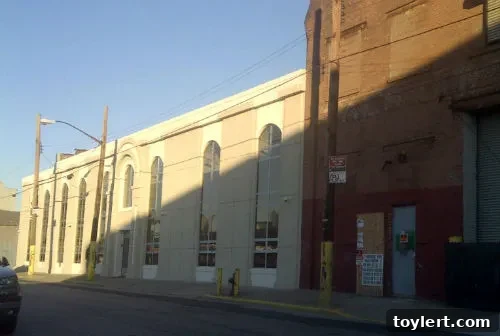
One such transformation that captured the community’s attention began late in 2011: the conversion of a handsome old brick warehouse situated on Imlay Street into a Yeshiva. This particular stretch of Red Hook, renowned for its imposing industrial buildings, bears the scars and stories of Brooklyn’s working past. The structure at 163 Imlay Street, like many of its neighbors, was a testament to the area’s robust commercial and shipping heritage, its sturdy brickwork and expansive windows hinting at decades of industrious activity. The project, undertaken by Yeshiva Kehilath Yakov, promised to bring a new institutional presence to a neighborhood already undergoing significant demographic and economic shifts.
Understanding the Transformation: From Warehouse to Yeshiva
City permits detailed the scope of the conversion, indicating a significant undertaking that involved the tearing down of much of the existing building to facilitate its new purpose as a Yeshiva, specifically designated as a “trade school.” This designation is noteworthy, as many Yeshivas integrate vocational training alongside religious instruction, aiming to equip students with practical skills for future careers. Yeshiva Kehilath Yakov, already operating a well-established location in Williamsburg, sought to expand its educational footprint, choosing Red Hook for this new venture. The initial stages of the project involved considerable demolition, paving the way for a drastically altered exterior that, by early 2012, had begun to reveal its new form to passersby on Imlay Street.
The decision to extensively alter, rather than merely adaptively reuse, much of the original warehouse structure immediately raised questions within the community and among architectural observers. Red Hook’s historical significance lies not only in its overall aesthetic but also in the individual integrity of its structures, many of which date back to the 19th and early 20th centuries. While adaptive reuse—the process of repurposing old buildings for new uses while largely preserving their historical character—is often celebrated as a sustainable and culturally sensitive approach to urban development, extensive demolition followed by new construction, even within existing walls, can sometimes be viewed differently.
Architectural Implications and Community Dialogue
The visible transformation of the building, with its new exterior now on display, naturally prompted discussions about its integration into the Red Hook streetscape. The original warehouse, likely characterized by its utilitarian yet robust industrial aesthetic, contributed to the area’s unique charm. The architectural choices for the new façade, therefore, became a point of interest: would they complement the surrounding brick and iron structures, or would they introduce a starkly modern, perhaps even incongruous, element? The dialogue around such projects often revolves around finding a balance between functionality for the new occupants and maintaining the visual and historical continuity of the neighborhood.
A building’s exterior is its public face, and in a neighborhood like Red Hook, where every brick seems to tell a story, new construction is always scrutinized for its sensitivity to context. While specific design details of the new facade would require a detailed architectural review, the initial public sentiment, as evidenced by early reports, suggested a cautious optimism, mixed with a touch of skepticism, about the project’s aesthetic contribution. The aspiration for development projects in historic areas is often to achieve a level of design excellence that garners accolades, perhaps even winning awards such as the “Building Brooklyn awards.” The early assessment for this conversion, however, indicated it might not be a contender, subtly hinting at concerns regarding its design integration or preservation approach.
The Evolving Role of Institutions in Urban Fabric
The establishment of a Yeshiva, a religious and educational institution, within an historically industrial area like Red Hook also highlights broader trends in New York City’s urban development. As various communities grow and evolve, so does their need for suitable spaces—be it for housing, commerce, or institutions. Historic neighborhoods, with their often generously proportioned and robust buildings, frequently become attractive sites for such conversions. This dynamic can be a source of both revitalization and tension, as new uses bring new populations and sometimes new architectural styles, prompting neighborhoods to grapple with evolving identities.
Yeshiva Kehilath Yakov’s presence in Red Hook is a testament to this ongoing urban transformation. While the facility did not appear to be in active use immediately following its exterior completion, its potential impact on the local community is significant. The influx of students, faculty, and daily activities associated with an educational institution can bring new life and energy, but also new demands on local infrastructure and services. Understanding the broader context of such conversions—from an economic, social, and cultural perspective—is crucial for appreciating the complex interplay between old and new in dynamic urban environments.
The initial reports surrounding this project also underscore the importance of transparency and public engagement in major development decisions. When historic structures are significantly altered, particularly those that define the character of a neighborhood, community members often seek assurance that the process respects both the past and the future. Public records, such as those available through the NYC Department of Buildings (DOB), provide crucial insights into the approved plans and construction details, allowing for civic oversight and informed discussion. Similarly, tools like Google Maps (GMAP) offer accessible ways to visualize locations and understand their geographic context.
Reflecting on Preservation and Progress in Red Hook
The conversion of the Imlay Street warehouse into Yeshiva Kehilath Yakov serves as a compelling case study in the ongoing narrative of Red Hook’s development. It embodies the inherent challenges and opportunities in reimagining historic spaces for contemporary needs. As Red Hook continues its journey from a neglected industrial zone to a burgeoning cultural and residential hub, each new project adds another layer to its complex identity. The delicate balance between honoring its rich past and embracing its vibrant future remains a constant, often debated, endeavor.
Ultimately, the story of 163 Imlay Street is a microcosm of New York City itself—a city perpetually reinventing itself, brick by brick. Whether the new exterior of the Yeshiva becomes a beloved fixture or a point of ongoing discussion, it undeniably contributes to the ever-evolving architectural tapestry of Red Hook, a neighborhood that never ceases to captivate and inspire. We eagerly await to see the full life and impact of Yeshiva Kehilath Yakov within its new Red Hook home.
Read more about the initial plans for a Yeshiva for Red Hook on Brownstoner.
View 163 Imlay Street on Google Maps (GMAP)
Access NYC Department of Buildings (DOB) permits for job number 320233644
Before photo via PropertyShark