Unlocking Potential: Williamsburg’s Dynamic Transformation on Kent Avenue
Williamsburg, Brooklyn, a neighborhood renowned for its vibrant cultural tapestry, artistic expression, and rapid urban metamorphosis, has consistently served as a canvas for innovative development. At the forefront of this evolution stands Two Trees Management, a distinguished firm celebrated for its profound impact on Brooklyn’s architectural and community landscapes. In a strategic move that powerfully underscored their commitment to fostering dynamic public spaces, Two Trees unveiled ambitious plans for a sprawling 55,000-square-foot vacant lot strategically situated on Kent Avenue, nestled between South 3rd and South 4th Streets. This forward-thinking initiative, initially announced with considerable anticipation, promised to infuse a fresh wave of community-focused activities into the pulsating heart of Williamsburg, effectively laying the groundwork for what would become an iconic urban oasis.
Two Trees’ Vision for Kent Avenue: A Blueprint for Inclusive Community Engagement
The comprehensive vision articulated by Two Trees for this prime Kent Avenue parcel was nothing short of revolutionary. It aimed to establish a multi-faceted destination meticulously designed to cater to a diverse array of community needs and aspirations. Far removed from a conventional, purely commercial development project, the proposal outlined an imaginative and extensive array of activations, each thoughtfully curated to significantly enhance the quality of life for Williamsburg residents and visitors alike. The detailed plan highlighted several pivotal features, demonstrating a holistic approach to urban development:
- A vibrant Community Farm: Envisioned as a green sanctuary amidst the prevailing urban sprawl, this farm would offer residents the invaluable opportunity to forge a direct connection with nature, cultivate fresh, organic produce, and actively participate in sustainable living practices. Beyond merely providing healthy food options, it was designed to function as an educational hub, fostering essential environmental awareness and building stronger community bonds through shared agricultural endeavors and hands-on learning.
- A Family-Friendly Bike Course: Acknowledging the burgeoning popularity of cycling across Brooklyn, Two Trees proposed a meticulously designed, dedicated bike course specifically tailored with families in mind. This safe, engaging, and traffic-free space would actively encourage healthy, active lifestyles, offer a secure and nurturing environment for children to confidently learn and joyfully experience cycling, and further promote sustainable urban mobility within the neighborhood. It aimed to be a central gathering point for families seeking invigorating outdoor recreation.
- Open-Air Yoga Classes: In a dedicated effort to promote holistic well-being, the comprehensive plans included provisions for regular, accessible yoga sessions to be held in the refreshing open air. These classes would offer an accessible avenue for crucial physical and mental rejuvenation, fostering a profound sense of peace, mindfulness, and tranquility amidst the vibrant, bustling urban environment. Such an inclusive initiative powerfully underscored a steadfast commitment to public health and widespread community wellness, inviting individuals of all fitness levels and backgrounds to participate.
These forward-looking initiatives, when viewed collectively, painted a compelling picture of a proactive, profoundly community-centric development approach. They promised to transform a previously underutilized and often overlooked space into a thriving, dynamic hub of activity. The initial announcement generated significant excitement, heralding a new and inspiring chapter for innovative public space activation in the ever-evolving landscape of Williamsburg. The core idea was not merely to fill a void but to actively cultivate a vibrant, self-sustaining ecosystem where recreation, education, cultural enrichment, and authentic community interaction could seamlessly converge and flourish.
The Enigmatic Arrival: A Dumpster Sculpture on Kent Avenue Sparks Curiosity
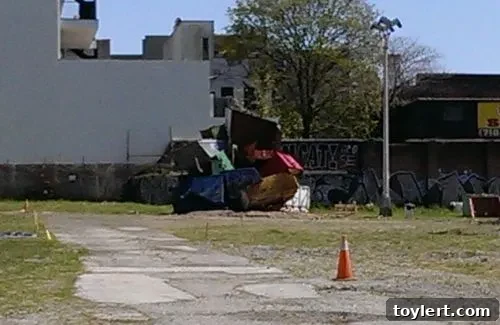
Amidst this palpable anticipation and detailed planning for future community amenities, a curious and somewhat unexpected artistic installation began to mysteriously take shape on the eastern perimeter of the Kent Avenue site. Expertly crafted from an eclectic assortment of old, repurposed dumpsters, the robust structure quickly emerged as a captivating focal point of local discussion, drawing considerable attention and sparking widespread intrigue among curious passersby. This unique sculpture, simultaneously starkly industrial in its aesthetic yet undeniably artistic in its execution, immediately raised a flurry of questions regarding its origins, its creator, and its ultimate purpose. Many residents and observers alike pondered: How, precisely, did an assemblage of repurposed waste containers integrate or fit into the meticulously planned program of community farms, family-friendly bike courses, and serene yoga classes?
The sudden appearance of the dumpster sculpture presented a fascinating and thought-provoking paradox. On one hand, its rugged, repurposed nature seemed to powerfully embody the raw, unpolished industrial heritage of Williamsburg’s waterfront, serving as a nostalgic nod to its historical past as a robust manufacturing and shipping hub. On the other hand, its striking presence on a site expressly slated for verdant green spaces and holistic wellness activities presented an intriguing and compelling juxtaposition. Was this striking piece of public art a subtle commentary on themes of urban decay and subsequent renewal? Was it a profound celebration of recycling, resourcefulness, and material transformation? Or was it simply an independent artist’s bold vision, temporarily gracing the urban landscape before the grand, long-term plans for the lot fully materialized?
Public Art as a Catalyst for Urban Dialogue and Engagement
The timely emergence of the dumpster sculpture perfectly exemplifies the powerful and multifaceted role that public art consistently plays within the broader context of urban development. Temporary art installations on otherwise vacant lots frequently serve a multitude of strategic purposes. They can effectively act as visually engaging placeholders, keeping a site active, stimulating, and aesthetically pleasing during the transitional interim period between initial land acquisition and eventual groundbreaking. More profoundly, such installations possess the unique ability to spark crucial dialogue, challenge preconceived perceptions, and actively invite broader community interaction, thereby transforming a previously desolate or unremarkable space into a vibrant point of cultural and intellectual interest. This particular dumpster sculpture, with its unconventional choice of materials and its unexpected, striking placement, unquestionably achieved this, prompting local residents and visitors to deeply ponder its meaning and its intrinsic relationship to the overarching vision for the future of Kent Avenue.
Such artistic installations frequently evolve into powerful catalysts for enhanced community engagement, offering a tangible, visual preview of the vibrancy and dynamism that future developments aim to cultivate and bring. They effectively humanize otherwise empty or neglected parcels of land, making them feel less like barren tracts and more like integral, evolving parts of the neighborhood’s rich and ongoing narrative. The dumpster sculpture, regardless of whether it was intentionally linked to Two Trees’ explicit programmatic agenda or represented an independent artistic intervention, unquestionably added another compelling layer to the intricate discourse surrounding the future potential and transformation of this pivotal Williamsburg site.
The Philosophy Behind Temporary Activations and Strategic Placemaking
Two Trees Management’s thoughtful approach to the Kent Avenue lot powerfully reflects a broader and increasingly prevalent trend in contemporary urban planning: the strategic and effective use of temporary activations for robust placemaking. Progressive developers are increasingly recognizing the immense value of activating vacant or underutilized spaces with meaningful interim uses before permanent structures are fully designed and constructed. This innovative strategy offers a myriad of significant benefits that extend far beyond mere construction:
- Community Building: Temporary uses provide immediate, tangible opportunities for local residents to gather, interact, and actively foster a strong sense of community, thereby cultivating goodwill and positive associations with the developer and the project.
- Testing Ground: These dynamic activations can effectively serve as invaluable testing grounds for future programming ideas, allowing developers to accurately gauge community interest, gather real-time feedback, and refine their long-term plans based on authentic, real-world engagement.
- Deterring Blight and Vacancy: An actively utilized, well-maintained space is inherently less likely to attract undesirable activities or elements, thereby significantly contributing to enhanced neighborhood safety, improved aesthetics, and overall urban vitality.
- Generating Buzz and Excitement: Well-conceived and expertly executed temporary projects have the capacity to generate substantial media attention and widespread public interest, effectively building anticipation and excitement for the site’s eventual, permanent transformation.
- Economic Benefits: Even temporary uses can strategically contribute to the creation of vibrant micro-economies, actively supporting local vendors, emerging artists, and burgeoning small businesses within the community.
The thoughtful combination of a vibrant community farm, an engaging family-friendly bike course, and serene open-air yoga classes on Kent Avenue was a masterclass in this sophisticated placemaking philosophy. It powerfully demonstrated a deep-seated commitment to creating enduring value that extends far beyond mere property development, emphasizing the profound social and cultural dividends that stem from thoughtful, community-focused urban planning. The strategic inclusion of an intriguing, unconventional art piece, such as the dumpster sculpture, further enriched this comprehensive strategy by introducing an element of delightful surprise and intellectual engagement, prompting deeper reflection on urban identity and renewal.
A Deeper Look at the Proposed Community Amenities and Their Impact
Let’s delve further into the specific benefits and broader implications of each proposed community amenity:
The Community Farm: Nurturing Growth, Fostering Sustainability, and Local Food Security
Urban farms are increasingly recognized as vital, indispensable components of sustainable and resilient city living. They offer a tangible, immediate connection to our food sources, actively promote healthy eating habits, and crucially educate urban residents about essential ecological processes and sustainable agriculture. A thriving community farm on Kent Avenue would not only provide a steady supply of fresh, locally grown produce but also serve as a much-needed green lung for the neighborhood, significantly contributing to urban biodiversity, enhancing local air quality, and offering a serene respite from city life. It cultivates a sense of shared ownership and collective responsibility, allowing diverse groups of people from various backgrounds to work collaboratively towards a common, beneficial goal. This farm would embody a living microcosm of sustainable urbanism, powerfully demonstrating how barren or neglected land can be transformed into a productive, life-affirming, and ecologically rich space.
The Family-Friendly Bike Course: Promoting Active Lifestyles, Safe Recreation, and Community Health
In a city as dynamic, bustling, and often challenging as Brooklyn, the provision of safe, accessible, and engaging recreational spaces is absolutely invaluable. A dedicated bike course specifically designed for families addresses several pressing urban challenges simultaneously. It vigorously promotes physical activity, actively combating sedentary lifestyles, and crucially offers a safe, protected alternative to navigating busy, often dangerous city streets for young and inexperienced riders. Such a facility fosters a lifelong love for cycling from an early age, contributing significantly to a vibrant culture of active mobility and helping to reduce reliance on personal cars. It also purposefully creates a specific, appealing destination for family outings and healthy recreation, thereby measurably enhancing the social fabric of the neighborhood and making Williamsburg even more attractive and livable for young families and active individuals.
Open-Air Yoga Classes: Cultivating Wellness, Fostering Connection, and Promoting Mental Well-being
The thoughtful provision of open-air yoga classes speaks volumes about a holistic and compassionate approach to overall community well-being. In the relentless, fast-paced urban environment, readily available opportunities for mindfulness, stress reduction, and mental clarity are absolutely crucial for residents’ health. These classes would offer an accessible, inclusive platform for individuals of all ages and abilities to engage in beneficial physical exercise, markedly improve mental clarity, and genuinely connect with their neighbors in a relaxed, non-judgmental outdoor setting. The natural, calming setting of an outdoor space inherently amplifies the therapeutic benefits of yoga, effectively creating a serene escape from the city’s incessant hustle and bustle. It powerfully signifies a deep-rooted commitment to the comprehensive health, both physical and mental, of the entire community.
The Enduring Legacy of Temporary Art and Visionary Urban Revitalization
While the exact fate or the full, detailed story behind the Kent Avenue dumpster sculpture might have remained a fleeting mystery for some, its striking presence profoundly underscored a pivotal moment in Williamsburg’s ongoing and dramatic revitalization. It eloquently highlighted the creative tension and compelling dialogue between the neighborhood’s robust industrial heritage and its future-forward, progressive development aspirations, powerfully demonstrating the capacity of art to bridge these diverse narratives. Two Trees Management’s comprehensive plans for deep community engagement, further complemented by such intriguing and unconventional artistic interventions, effectively set a new precedent for how formerly vacant or underutilized urban parcels can be creatively reimagined and transformed into vibrant, inclusive, and highly functional public spaces. This forward-thinking approach not only breathes new life and purpose into overlooked land but also significantly enriches the cultural tapestry and profoundly enhances the overall livability of one of Brooklyn’s most iconic and rapidly evolving neighborhoods.
The ongoing transformation of Kent Avenue serves as a powerful and inspiring testament to the immense potential of strategic urban planning and genuinely community-focused development. From an empty, underutilized 55,000-square-foot lot to a proposed bustling hub of diverse activity, featuring everything from a nourishing community farm and an exhilarating family-friendly bike course to tranquil open-air yoga classes, the expansive vision championed by Two Trees was meticulously designed to leave an indelible mark on the urban fabric. And even the most unconventional artistic contributions, such as a thought-provoking sculpture born from repurposed industrial materials, found their legitimate place in this rich narrative, prompting crucial reflection and enriching the ongoing dialogue about what truly makes a city dynamic, livable, and culturally rich. The continuing evolution of Williamsburg perpetually fascinates, with every new activation and every bold artistic statement contributing uniquely to its compelling and multifaceted story.
The original announcement detailing these exciting and transformative plans can be further explored via this link, providing additional context on the initial vision that captivated and inspired the community.