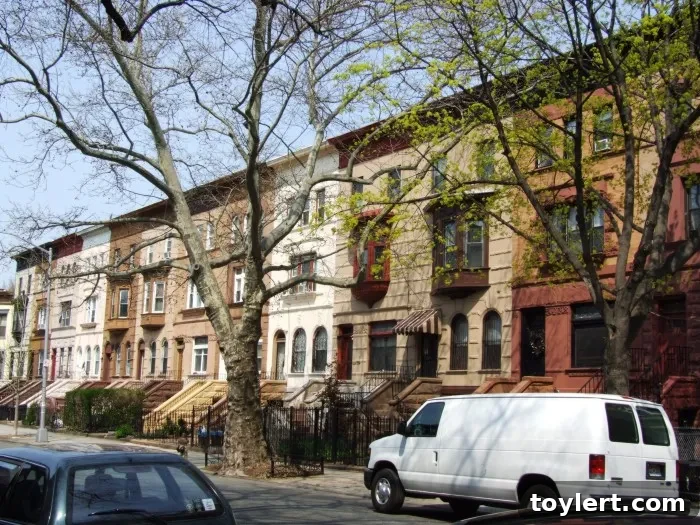
Discovering the Enduring Allure of Brooklyn Row Houses: A Journey Along Sterling Place
Brooklyn, a borough celebrated for its distinct character and vibrant neighborhoods, tells its story one building at a time. Among its most iconic architectural treasures are the historic row houses that line its tree-shaded streets. These magnificent structures are more than just homes; they are a testament to the borough’s rich past, offering a captivating blend of grandeur, history, and community. This article delves into the unique charm and significance of Brooklyn’s row houses, with a particular focus on the captivating stretch of Sterling Place, where properties like 897-925 stand as prime examples of this cherished architectural legacy.
The Genesis of Brooklyn’s Row House Architecture
The concept of the row house blossomed in Brooklyn during the 19th and early 20th centuries, a period of rapid urban expansion and growing affluence. As the city swelled, there was a pressing need for efficient, yet elegant, housing solutions. Builders and developers turned to the row house model, which allowed for maximizing land use while offering residents spacious, comfortable, and often luxurious homes. These early developments laid the groundwork for the distinctive streetscapes we admire today, transforming Brooklyn into a tapestry of architectural styles.
From the sturdy brownstones of the mid-19th century to the ornate Queen Anne and Romanesque Revival facades of later decades, Brooklyn’s row houses reflect the prevailing architectural trends of their time. Each era brought new materials, decorative motifs, and construction techniques, creating an astonishing diversity within a seemingly uniform housing type. This evolution is part of what makes strolling through Brooklyn’s historic districts so fascinating; every block can offer a fresh visual narrative of design and craftsmanship.
Sterling Place: A Testament to Timeless Design
Sterling Place, stretching through various distinguished Brooklyn neighborhoods, stands out as a quintessential example of row house elegance. Blocks like those encompassing 897-925 Sterling Place showcase the enduring appeal and architectural integrity that define these sought-after properties. These addresses are not merely locations; they are anchors in a community renowned for its architectural heritage, leafy streets, and a strong sense of local pride.
The row houses along Sterling Place typically exhibit a harmonious blend of form and function. Their uniform setbacks create a cohesive street wall, while individual details on each facade ensure unique character. Imagine the classic brownstone, with its rich, reddish-brown sandstone, or perhaps a stately brick home adorned with intricate terra cotta details. These homes often feature grand stoops—those iconic front staircases—that not only provide an elegant entrance but also serve as semi-private social spaces, where neighbors can gather and connect, fostering the vibrant community spirit that is a hallmark of Brooklyn living.
Architectural Splendor: Features and Finishes
A closer look at the row houses on Sterling Place, including the architectural lineage represented by addresses like 897-925, reveals a commitment to craftsmanship and aesthetic detail. The facades are often the first impression, showcasing exquisite masonry work, from the finely carved lintels above windows to the robust cornices that crown each building. Bay windows, decorative ironwork on railings, and stained-glass transoms are common features that add layers of visual interest and historical authenticity.
Facade Materials and Styles
- Brownstone: Perhaps the most iconic material, brownstone facades impart a warm, earthy tone and are often intricately carved, reflecting Victorian-era sensibilities.
- Brick: From classic red brick to lighter variants, brick row houses often feature decorative courses, quoins, and contrasting stone or terra cotta trim.
- Limestone/Sandstone: Some of the grander row houses utilize lighter, more refined stone for their primary facade, lending them a distinguished, almost palatial air.
- Neo-Grec & Romanesque Revival: These styles introduced bolder forms, incised ornamentation, and often deep, rusticated stone bases, giving buildings a sense of strength and permanence.
- Queen Anne: Characterized by asymmetry, turrets, and a mix of materials, Queen Anne row houses bring a playful and picturesque quality to the streetscape.
Inside the Row House: A Glimpse into Grandeur
Beyond the impressive exteriors, the interiors of Brooklyn row houses are equally captivating. Typically configured as multi-story residences, they often boast grand entry foyers, high ceilings, and original architectural details such as ornate plaster moldings, intricate fireplace mantels, and polished hardwood floors. The layout usually follows a logical progression, with formal living and dining areas on the parlor floor, bedrooms on upper levels, and often a garden-level space that can serve as a family room or income-generating apartment.
The deep footprints of these homes allow for ample natural light, especially in the front and rear rooms, creating bright and inviting spaces. While many have undergone sensitive renovations to incorporate modern amenities and open-plan living concepts, great care is often taken to preserve their historical integrity. This delicate balance between past and present is a core part of their enduring appeal, offering residents the best of both worlds: historic charm coupled with contemporary comfort.
Preservation and Modern Adaptations
Owning a Brooklyn row house means becoming a custodian of history. The robust preservation efforts by local communities and historic district designations have been crucial in maintaining the architectural character of areas like Sterling Place. These initiatives ensure that renovations respect the original design, materials, and aesthetic of these irreplaceable structures. Yet, these homes are not static museums; they are vibrant residences constantly adapting to modern lifestyles.
Contemporary owners often embark on thoughtful renovation projects, integrating state-of-the-art kitchens, luxurious bathrooms, and energy-efficient systems, all while preserving or restoring original details. This commitment to both past and future speaks volumes about the value placed on these homes. They represent an investment not just in real estate, but in a unique way of life—a connection to Brooklyn’s storied past and a stake in its dynamic present.
The Lifestyle: Why Row Houses Remain Coveted
The allure of Brooklyn row houses extends far beyond their architectural beauty. They offer a distinct lifestyle that combines the privacy of a standalone home with the benefits of urban living. Residents enjoy direct street access, private gardens or yards, and often multiple levels of living space, providing room to grow and entertain. The sense of community fostered by these neighborhoods is profound, with tree-lined streets inviting strolls, local shops and cafes creating vibrant hubs, and easily accessible parks offering green escapes.
Living on Sterling Place, for example, means being part of a vibrant fabric that connects residents to the cultural richness of Brooklyn. Proximity to world-class institutions like the Brooklyn Museum, Prospect Park, and a myriad of dining and entertainment options makes these locations exceptionally desirable. The enduring value of these properties reflects not only their historical significance but also their strategic location within one of the world’s most dynamic cities.
A Lasting Legacy: Brooklyn’s Architectural Jewels
In conclusion, the row houses of Brooklyn, epitomized by the elegant structures along Sterling Place, are far more than mere buildings. They are the heart of Brooklyn’s architectural identity, embodying centuries of craftsmanship, social evolution, and urban development. From their imposing facades to their intricate interior details, they tell a continuous story of resilience, beauty, and adaptation. As Brooklyn continues to evolve, these historic row houses remain steadfast, offering timeless elegance, unparalleled character, and a profound connection to the borough’s illustrious past, one meticulously preserved building at a time.