Brooklyn’s Dynamic Canvas: Unpacking Urban Transformation and Community Spirit
Brooklyn, a borough synonymous with vibrant culture, diverse communities, and relentless evolution, consistently captures the attention of residents, developers, and global observers alike. From towering new residential complexes to the preservation of historic landmarks, and from the shifting tides of its culinary scene to the resilience of its communities, Brooklyn is a constant hub of activity and change. This article delves into a mosaic of stories, reflecting the borough’s continuous growth, challenges, and enduring appeal, offering a comprehensive look at the forces shaping its future.
Major Developments and Shifting Urban Landscapes
The narrative of Brooklyn’s urban landscape is often defined by large-scale development projects that reshape entire neighborhoods. One such monumental undertaking, the Atlantic Yards project (now known as Pacific Park), has been a point of both immense controversy and significant transformation. The saga of this mega-development reached a critical juncture when the last holdouts at the Atlantic Yards site were finally compelled to leave. This moment marked the culmination of years of legal battles, eminent domain disputes, and community activism, paving the way for the completion of a vision that includes the Barclays Center, residential towers, and commercial spaces. The Atlantic Yards project symbolizes the broader trend of rapid urbanization and the complex interplay between public and private interests in New York City’s development narrative.
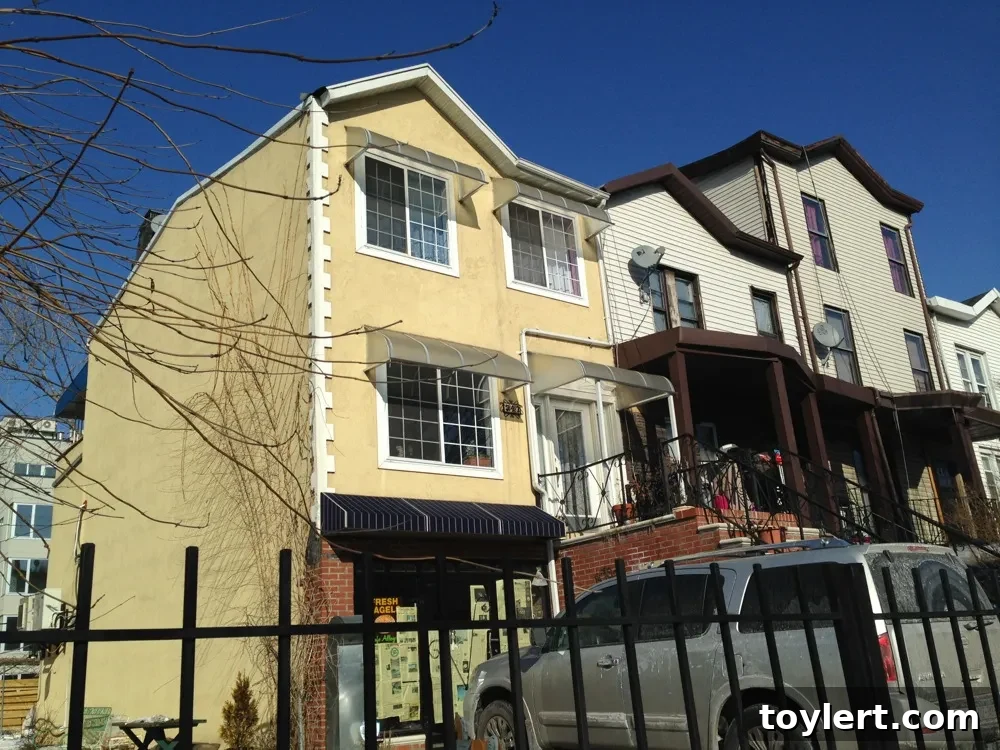
Beyond these colossal projects, smaller yet significant developments continually dot Brooklyn’s map. Crown Heights, a neighborhood experiencing considerable growth and gentrification, saw work underway at 267 Rogers Avenue. This particular site highlights ongoing development trends, but also raises questions around zoning compliance and the proliferation of informal accommodations often termed “illegal hotels.” Such developments underscore the challenges urban planners and communities face in balancing growth with the preservation of neighborhood character and housing affordability.
Further demonstrating Brooklyn’s vigorous real estate market, East Flatbush experienced a significant transaction with Clarendon Gardens selling for $32.5 million. This substantial investment indicates a burgeoning interest in areas beyond traditional real estate hotspots, pushing the boundaries of what were once considered peripheral neighborhoods into the mainstream of Brooklyn’s property boom. This trend inevitably impacts local residents, bringing both potential economic benefits and concerns about rising living costs.
The pace of development is also visible through permit filings across the borough. Sheepshead Bay, for instance, saw permits filed for 1021 Avenue Y, signaling continued residential or mixed-use construction in this diverse waterfront community. Similarly, in the ever-evolving landscape of Williamsburg, permits were filed for 344 Lorimer Street. These filings are crucial indicators of Brooklyn’s sustained growth trajectory, reflecting the ongoing demand for housing and commercial spaces in its highly sought-after neighborhoods. They are the initial blueprints of tomorrow’s Brooklyn, charting the course for future population density and architectural styles.
Community Resilience and Social Justice
The spirit of Brooklyn is perhaps best exemplified by its communities’ resilience in the face of adversity. The aftermath of Hurricane Sandy, which devastated many coastal areas, continued to be a challenging period for many residents. Reports emerged that Hurricane Sandy victims alleged their damage reports were altered, adding another layer of trauma to an already arduous recovery process. These accusations highlighted systemic issues within insurance claims and the ongoing struggles many New Yorkers faced in rebuilding their lives years after the storm. It’s a powerful reminder of the importance of community advocacy and oversight in times of crisis.
In a story with deep historical resonance, the family of a Brooklyn judge who owned the historic Slave Theater won a $750,000 lawsuit against a nursing home. This legal victory, while concerning a personal matter, brought attention to the legacy of the Slave Theater itself – a pivotal landmark in the African American civil rights movement. The theater, once a hub for Black activism and cultural expression, holds immense significance in Brooklyn’s history, and its future preservation remains a key community interest. This case indirectly underlines the ongoing dialogue around preserving culturally significant sites amidst relentless urban development.
Community well-being also extends to the provision of public spaces. In Carroll Gardens, plans were announced for a redesign of the shuttered St. Mary’s Playground. This initiative underscores the critical importance of revitalizing local parks and recreational facilities, which serve as essential gathering places and play vital roles in fostering community health and social interaction. Such projects reflect a commitment to enhancing the quality of life for families and residents in densely populated urban environments.
Cultural Vibrancy and Economic Flux
Brooklyn’s cultural landscape is as dynamic as its architecture. The borough’s unique identity is often a magnet for both small businesses and large corporations. The news that Adidas planned to open a 4,500-square-foot flagship store on Fulton Street signaled a significant vote of confidence in downtown Brooklyn’s burgeoning retail sector. Fulton Street has long been a commercial artery, and the arrival of global brands further solidifies Brooklyn’s status as a major retail destination, drawing shoppers and contributing to the local economy.
However, the economic climate can be unforgiving, even for acclaimed establishments. The announcement of The Elm Restaurant in the McCarren Hotel and Pool closing served as a poignant reminder of the fierce competition and challenging economics within Brooklyn’s celebrated dining scene. Even critically acclaimed establishments, often lauded for their culinary innovation, face hurdles that can lead to closure, highlighting the transient nature of the restaurant industry and the constant churn of new eateries emerging across the borough.
Beyond commerce, Brooklyn’s cultural tapestry is woven with personal stories and celebrity connections. Beloved Brooklyn native Larry David, the co-creator of Seinfeld and star of Curb Your Enthusiasm, brought a touch of nostalgia to the borough by revisiting his childhood home in Sheepshead Bay. Such narratives not only celebrate Brooklyn’s enduring influence on creative minds but also offer a glimpse into the borough’s past, contrasting personal memories with the rapid changes transforming these neighborhoods.
Even political decisions can stir considerable debate and mixed emotions. Brooklyn experienced both dismay and relief over the Democratic National Convention not coming to town. While some saw the potential economic boom and prestige of hosting such a major event, others welcomed the avoidance of anticipated logistical disruptions, increased traffic, and security concerns. This dichotomy illustrates the diverse perspectives within Brooklyn’s population regarding large-scale events and their impact on daily life.
Facing Nature’s Challenges
Brooklyn residents are no strangers to the caprices of winter weather, and forecasts often prompt collective preparations. The prospect of Brooklyn bracing for more snow early Tuesday highlighted the ongoing challenges posed by severe weather. These events affect everything from transportation and school closures to local businesses and public safety, requiring significant coordination from city services and adaptive strategies from residents. Such reports serve as a regular reminder of the practical aspects of urban living and the communal effort required to navigate environmental challenges.
Conclusion: Brooklyn’s Unfolding Narrative
From monumental real estate deals and new construction permits shaping its skyline to the intimate stories of community resilience, cultural expression, and daily challenges, Brooklyn continues to be a borough in constant motion. The headlines, whether about significant urban planning decisions, the closure of a beloved restaurant, or a celebrity revisiting childhood haunts, collectively paint a picture of a vibrant, complex, and ever-evolving urban center. Brooklyn remains a captivating subject, reflecting broader trends in urban development, community dynamics, and the pursuit of progress in one of the world’s most iconic cities. Its story is one of continuous reinvention, where history meets modernity, and local character fiercely persists amidst global appeal, making it a compelling focus for anyone interested in the future of urban living.