Eliminating Sewer Gas Odors: A Comprehensive Guide to Sealing Basement Traps and Access Pits
Discovering the pungent, unpleasant odor of sewer gas in your basement is more than just a nuisance; it’s a potential health hazard that demands immediate attention. Many homeowners face this very concern, particularly when the smell seems to emanate from an access pit or a visible sewer trap. This comprehensive guide will walk you through the essential steps to identify the source, properly cap your sewer trap, seal your access pit, and implement effective long-term solutions. We’ll explore common causes, practical DIY fixes, and crucial safety considerations, drawing on insights from various homeowner experiences to help you restore a fresh, safe environment to your home.
Understanding the Threat: What is Sewer Gas?
Sewer gas is a complex mixture of toxic and non-toxic gases that forms in sewage systems. While the distinct “rotten egg” smell is often attributed to hydrogen sulfide (H2S), a highly toxic gas, sewer gas can also contain methane, ammonia, carbon dioxide, nitrogen, and sulfur dioxide. Exposure to high concentrations of these gases can lead to serious health issues, ranging from headaches, nausea, and dizziness to respiratory problems, loss of consciousness, and even death. Methane, another component, is also highly flammable and explosive, posing a fire risk if allowed to accumulate in confined spaces like basements.
The presence of sewer gas often indicates a breach in your plumbing system, allowing these harmful substances to escape into your living space. Addressing the issue promptly is not just about eliminating an unpleasant smell; it’s about safeguarding the health and safety of everyone in your home.
Pinpointing the Source: The Basement Access Pit and Sewer Trap
For many homeowners, the basement access pit is a common culprit for sewer gas leaks. These pits, often located in older homes or areas where plumbing lines converge, provide access to crucial components of the sewage system, such as cleanouts, floor drains, or the main sewer line trap. While designed for maintenance, if not properly sealed or maintained, they can become direct pathways for gas to enter your home.
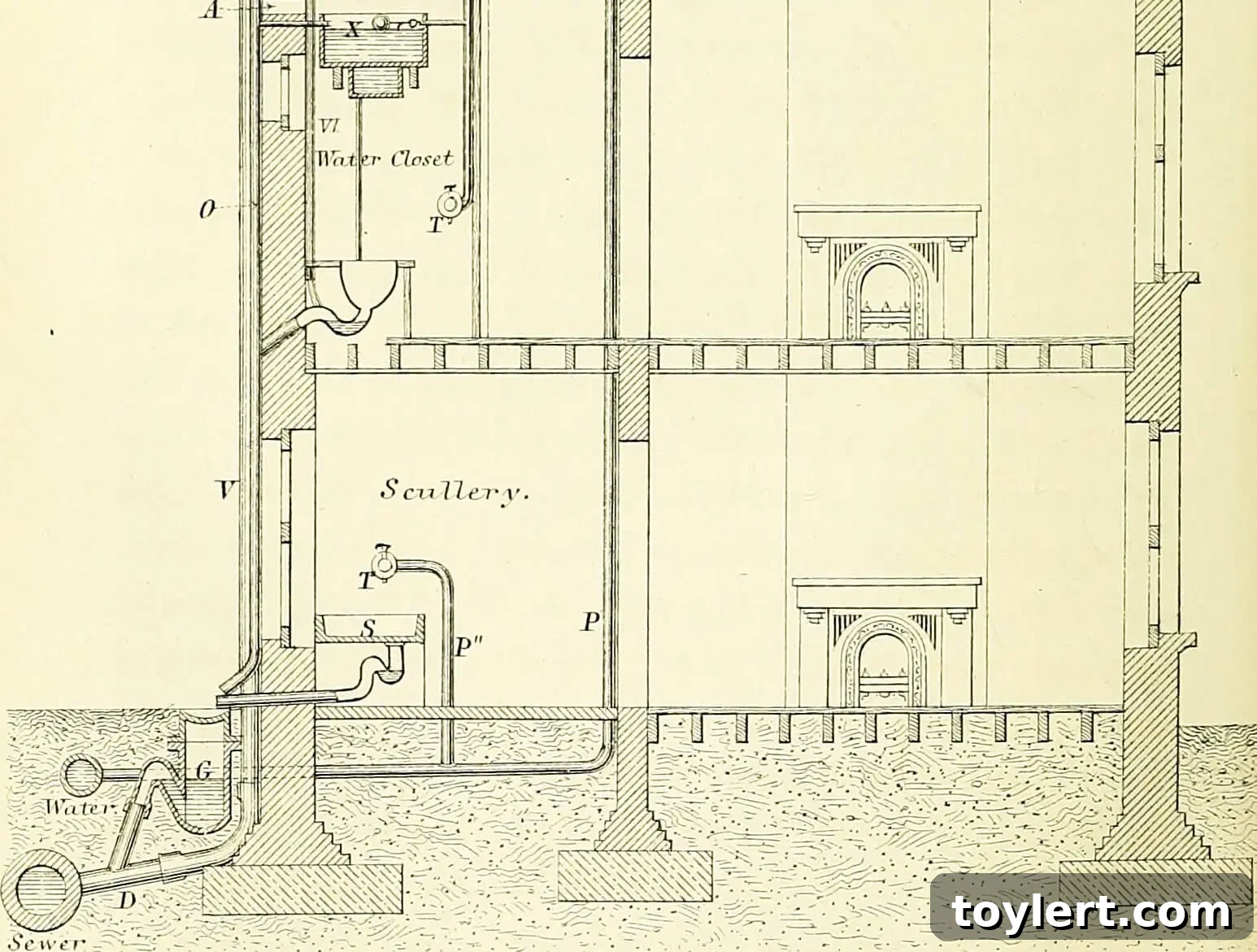
The sewer trap itself is a critical component of your plumbing system, designed to create a water seal that prevents sewer gas from backing up into your home. These traps, often U-shaped or P-shaped, are filled with water, which acts as a barrier. If this water barrier is compromised—whether due to evaporation, a cracked trap, or a faulty cap—sewer gas can easily bypass it. The access pit often contains these traps or cleanout points, making it a focal point for investigation when odors arise.
Common Reasons for Sewer Gas Escape
- Dry Traps: The most frequent cause. If a drain or trap (like a floor drain in the basement or a cleanout trap) isn’t used regularly, the water in the trap can evaporate, breaking the seal.
- Faulty or Missing Trap Caps: Access points to sewer lines, known as cleanouts, should have tightly sealed caps. If a cap is loose, cracked, missing, or improperly threaded, gas will escape.
- Cracked or Damaged Pipes/Traps: Over time, pipes and traps can develop cracks or corrosion, creating openings for gas.
- Improper Venting: A properly functioning plumbing system relies on a network of vent pipes that allow air into the system and direct sewer gas out through the roof. If vents are blocked, improperly installed, or corroded, they can lead to pressure imbalances that force gas through traps.
- Loose Toilet Seals: Though not directly related to basement pits, a loose or broken wax ring under a toilet can also allow sewer gas into the home, often mistakenly attributed to other sources.
- Foundation Cracks: In rare cases, severe foundation cracks that extend to the sewer line outside the home can allow gases to seep up through the soil and into the basement.
Step-by-Step Solutions: Sealing the Sewer Trap
1. Initial Inspection and Identification
Before attempting any repairs, a thorough inspection is crucial. Locate all potential sewer traps and cleanout points within and around the access pit. Look for visible cracks in pipes, loose or missing caps, or signs of water leakage. Use your nose to confirm the source of the odor; sometimes, a subtle smell can be traced to a specific point by getting closer.
Tip: If you suspect a dry trap, pour a gallon of water down each drain (including floor drains) in your basement, especially those that are rarely used. Wait a few hours to see if the odor dissipates. This simple trick often resolves the problem immediately.
2. Securing or Replacing Trap Caps
Many basement sewer traps or cleanout access points are fitted with threaded caps. Over time, these can loosen, corrode, or become damaged. To ensure a proper seal:
- Tighten Existing Caps: Use a wrench to firmly tighten any loose caps. Be careful not to overtighten and strip the threads.
- Apply Pipe Dope or PTFE Tape: For an extra layer of protection, unscrew the cap, apply a generous amount of plumber’s pipe thread sealant (pipe dope) or wrap PTFE (Teflon) tape around the threads before re-tightening. This creates a much tighter, gas-proof seal.
- Replace Damaged Caps: If a cap is cracked, corroded beyond repair, or its threads are stripped, it must be replaced. Take the old cap to a hardware store to ensure you purchase one with the correct size and thread type (usually PVC or cast iron). Ensure the new cap has a robust seal, often an O-ring or rubber gasket, in addition to the threads.
3. Addressing Damaged Traps or Pipes
If you find a crack in the trap itself or an adjacent pipe, this is a more serious issue that often requires professional plumbing expertise. Temporary fixes like epoxy putty might hold for a while, but a permanent repair usually involves cutting out the damaged section and replacing it with new piping. For cast iron pipes, this can be complex and best left to a licensed plumber.
Step-by-Step Solutions: Sealing the Access Pit
Once the internal plumbing components (traps, cleanouts) are secure, the next step is to seal the access pit itself to prevent any residual gases or moisture from entering your basement. This also helps to prevent pests and improve overall basement air quality.
1. Cleaning and Preparation
Before applying any sealants, the access pit area must be meticulously clean and dry. Remove any debris, dust, or loose concrete. Use a wire brush or scraper to dislodge stubborn grime. For concrete surfaces, a thorough scrubbing with a strong degreaser, followed by a rinse and complete drying, is essential for sealants to adhere properly. Any moisture will prevent a good bond.
2. Choosing the Right Sealant
The type of sealant depends on the material of your access pit and the surrounding floor:
- Hydraulic Cement: Ideal for concrete pits or where there’s a risk of water infiltration. Hydraulic cement expands as it cures, creating a watertight and gas-tight seal even against active water pressure. It’s excellent for patching cracks and creating a solid, durable barrier.
- Epoxy Concrete Repair Kit: For significant cracks or gaps, a two-part epoxy concrete repair kit offers superior strength and chemical resistance. These are often self-leveling and create a very hard, durable surface.
- Polyurethane Caulk/Sealant: For smaller gaps or seams around the edges of a pit cover, a high-quality polyurethane caulk provides flexibility and excellent adhesion to concrete, masonry, and even some metals. Choose a caulk specifically designed for concrete and exterior use, as it will be more resilient to basement conditions.
- Silicone Sealant: While useful for some applications, silicone is generally less durable for large structural gaps in concrete compared to hydraulic cement or epoxy. However, a good quality exterior-grade silicone can be used for very fine cracks or as a supplementary seal.
3. Application Techniques for a Tight Seal
- For Cracks and Gaps: If using hydraulic cement, mix it according to manufacturer instructions and press it firmly into cracks and around pipe entries within the pit. For epoxy, ensure the crack is clean, then apply as directed.
- Sealing the Pit Cover: Many access pits have removable covers. To seal these, apply a bead of strong polyurethane caulk around the perimeter of the pit opening before replacing the cover. Ensure the cover sits firmly on the caulk. Once the caulk has cured, you might consider applying another bead around the outside edge where the cover meets the floor for a redundant seal.
- Ventilation considerations: While sealing the pit helps, ensure your overall basement ventilation is adequate. If the pit is sealed, but there’s still a smell, the gas might be entering elsewhere, or your home’s plumbing vents might be blocked.
When to Call a Professional Plumber
While many sewer gas issues can be resolved with DIY efforts, certain situations warrant immediate professional attention. Do not hesitate to call a licensed plumber if:
- The Odor Persists: Despite your best efforts in sealing traps and pits, the sewer gas smell continues. This indicates a more complex issue, possibly a broken drain line within walls or under the foundation, or a significant problem with your main sewer line or vent system.
- You Suspect a Major Leak: If you notice standing water, structural damage near plumbing lines, or severe corrosion, there might be a significant leak that requires professional repair.
- Multiple Fixtures are Affected: If several drains throughout your home are gurgling, slow, or emitting odors, it points to a systemic issue with your plumbing vent system or main drain.
- Health Symptoms Emerge: If anyone in your household experiences persistent headaches, nausea, dizziness, or respiratory problems, vacate the area and contact a plumber and your gas company immediately.
- Complex Plumbing is Involved: Repairs involving main sewer lines, extensive re-piping, or difficult-to-access areas are typically beyond the scope of a typical DIYer.
A professional plumber has specialized equipment (like smoke tests, camera inspections, and gas detectors) to accurately diagnose the source of sewer gas and perform safe, durable repairs.
Preventative Measures and Ongoing Maintenance
Once you’ve successfully mitigated the sewer gas issue, implementing preventative measures is key to avoiding future problems:
- Regularly Use All Drains: Pour a gallon of water down infrequently used drains (e.g., basement floor drains, utility sinks) at least once a month to keep their traps full.
- Inspect Cleanout Caps: Periodically check all cleanout caps for tightness and signs of damage. Re-seal or replace as needed.
- Monitor for Odors: Stay vigilant for any lingering or recurring sewer gas smells. Early detection can prevent minor issues from escalating.
- Ensure Proper Venting: Consider having your plumbing vent system inspected, especially if you live in an older home or have experienced recurring issues. Blocked vents (e.g., by bird nests, leaves, or ice) can cause negative pressure and pull water out of traps.
- Consider a Backwater Valve: In areas prone to sewer backups, a backwater valve can be installed in your main sewer line to prevent sewage from flowing back into your home.
- Maintain Basement Humidity: While not a direct cause, excessive dryness can lead to quicker trap evaporation. Maintain reasonable basement humidity levels.
Community Insights: What Other Homeowners Have Tried
Homeowners often share innovative and practical solutions they’ve tried when facing sewer gas issues:
- DIY Concrete Covers: “I built a custom-fit concrete slab with rebar for my access pit. I sealed the edges with a heavy-duty butyl caulk. It’s completely airtight now, and the smell is gone.” – *John D., Brooklyn*
- Adding Water to Floor Drains Regularly: “I put a reminder on my phone to pour a bucket of water down my basement floor drain every month. It’s a simple fix that completely eliminated the intermittent sewer smell we used to get.” – *Sarah K., Queens*
- Specialized Cleanout Plugs: “Instead of just replacing the standard plastic cleanout cap, I upgraded to a rubber expansion plug. It creates a much tighter seal from the inside of the pipe. Best decision ever.” – *Michael P., Long Island*
- Radon Mitigation Systems: “Our house had both sewer gas and radon issues. Installing a radon mitigation system actually helped pull the sewer gas out from under the slab too, as part of its sub-slab depressurization. A two-for-one solution!” – *Emily R., Upstate NY*
- Professional Smoke Test: “I tried everything, but the smell wouldn’t go away. Finally, I called a plumber who did a smoke test. Turns out, there was a hairline crack in a rarely used waste pipe under the concrete slab. It was expensive to fix, but worth it for peace of mind.” – *David L., New Jersey*
- Vented Sump Pump Covers: “My sewer pit also served as a sort of sump pit. I installed a sealed lid with a vent leading outside. It kept the gases out of the basement while still allowing for necessary air exchange in the pit.” – *Maria G., Connecticut*
These experiences highlight the variety of approaches, from simple maintenance to significant renovations, demonstrating that while the problem is common, the solution may require a tailored approach.
Health and Safety Precautions
When working on or around sewer lines, always prioritize safety:
- Ventilate the Area: Open windows and use fans to ensure good air circulation, especially if odors are present.
- Wear Protective Gear: Gloves and eye protection are recommended, particularly when handling chemicals or sealants.
- Avoid Open Flames: Methane in sewer gas is flammable. Do not smoke or use open flames in an area with suspected sewer gas.
- Carbon Monoxide Detector: While sewer gas isn’t carbon monoxide, any issues with combustion appliances in the basement (furnace, water heater) could also cause similar odors or dangerous conditions. A CO detector is always a good idea.
- Trust Your Nose: If the smell is overwhelming or you feel unwell, leave the area immediately and seek fresh air.
Conclusion
Addressing sewer gas escaping from your basement access pit and sewer trap is a critical home maintenance task that impacts both the comfort and safety of your living environment. By systematically inspecting your plumbing, properly sealing trap caps, and ensuring the access pit is airtight, you can effectively eliminate these unpleasant and potentially hazardous odors. While many solutions are DIY-friendly, recognizing when to call a professional plumber is essential for complex or persistent issues. Proactive maintenance and vigilance are your best tools in keeping your basement air fresh and your home safe for years to come.