Brooklyn’s Dynamic Pulse: A Snapshot of Urban Evolution and Community Life
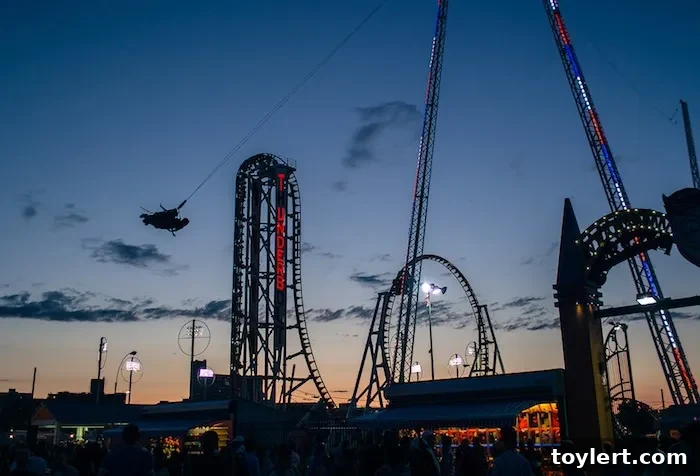
Brooklyn, a borough synonymous with cultural vibrancy, historic charm, and relentless innovation, continues to captivate residents and observers alike with its ever-evolving landscape. From groundbreaking urban developments shaping its iconic skyline to the intricate social dialogues unfolding within its diverse neighborhoods, Brooklyn remains a focal point for understanding the complexities of contemporary city life. This comprehensive overview delves into some of the most compelling news and developments that have recently defined the borough, offering insights into its transportation revolutions, burgeoning culinary scene, community debates, significant construction projects, and the subtle interplay between nature and urbanity.
Transforming Urban Mobility: Lyft Arrives in New York City
The urban transportation landscape of New York City, and particularly Brooklyn, experienced a significant shift with the official announcement of Lyft commencing its ride-sharing service. This introduction marked a pivotal moment for residents and commuters, promising an alternative to traditional yellow cabs and enhancing the options for getting around the sprawling metropolis. Lyft’s entry into the highly competitive New York market was met with anticipation, promising convenience, technological integration, and a potentially more affordable mode of transport for many. The move sparked considerable discussion about the future of urban transit, the gig economy’s expansion, and the impact on existing taxi industries. For Brooklynites, the arrival of ride-sharing platforms like Lyft signified greater accessibility to various neighborhoods, especially those less serviced by conventional public transport, fostering a new era of urban mobility and connectivity throughout the borough and beyond. The convenience of requesting a ride through a smartphone app offered a modern solution to daily commutes and late-night travel, embedding itself quickly into the fabric of New York’s fast-paced lifestyle and setting the stage for future innovations in personal transportation services across the city.
Brooklyn’s Ever-Evolving Culinary and Retail Scene
Brooklyn’s reputation as a culinary hotspot and a hub for unique retail experiences continues to grow, with significant developments consistently capturing public attention. One of the most talked-about prospects was the potential arrival of Shake Shack in Williamsburg. This news generated considerable buzz, reflecting the neighborhood’s allure for popular, high-quality eateries. The prospect of the beloved burger and shake chain setting up shop in Williamsburg underscored the area’s continued transformation into a prime destination for food enthusiasts. Such expansions often signal a vibrant commercial environment, attracting both local patrons and tourists eager to experience Brooklyn’s dynamic offerings.
Adding another layer to Williamsburg’s retail evolution was the discussion around Starbucks potentially opening another location, this time with the added feature of serving alcohol. This trend of major coffee chains diversifying their offerings with beer and wine reflects a broader shift in urban nightlife and casual dining. It suggests a desire to cater to a demographic looking for extended hours and a more versatile social setting beyond traditional coffee shop fare. For Williamsburg, a neighborhood known for its eclectic bars and vibrant evening scene, a Starbucks with booze could offer a different kind of gathering spot, blending the familiar comfort of a coffee shop with the relaxed atmosphere of a local pub. These developments collectively highlight the ongoing commercial vibrancy of Brooklyn, showcasing its ability to attract both established brands and innovative concepts that cater to the diverse tastes and preferences of its dynamic population.
Community Dialogues and Public Spaces: From Modesty to Libraries
Brooklyn is a mosaic of communities, each with its unique character, challenges, and ongoing conversations about public life and shared spaces. In Crown Heights, a sign urging passersby to “Please Dress Modestly” sparked considerable debate. Such instances often bring to the forefront the delicate balance between cultural norms, community expectations, and individual freedoms in public areas. These discussions are vital in a diverse urban environment, prompting reflection on how different groups coexist and communicate their values within shared spaces. The incident highlighted the ongoing negotiation of identity and behavior in a borough celebrated for its pluralism.
Further exploring community engagement, Red Hook found itself at the center of a local debate regarding a plan to add dance studios to its public library. This proposal divided Red Hook locals, illustrating the common tension between evolving community needs and preserving the traditional functions of public institutions. While some might see the addition of dance studios as an innovative way to expand cultural programming and community resources, others might raise concerns about space, noise, or the appropriate use of a library. Such discussions are crucial for local governance, ensuring that public spaces genuinely serve the interests and aspirations of their respective communities, reflecting the democratic process inherent in urban planning and development.
On a different but equally important note of community interaction and safety, the 72nd Precinct invited residents to National Night Out Against Crime on August 5. This annual event serves as a critical bridge between law enforcement and the communities they serve, fostering dialogue, building trust, and promoting crime prevention awareness. National Night Out events are vital for strengthening neighborhood cohesion and empowering residents to take an active role in ensuring public safety. These gatherings often feature activities, information booths, and opportunities for direct engagement with police officers, underscoring Brooklyn’s commitment to creating safer, more connected neighborhoods through collaborative efforts.
Shaping the Skyline: Major Urban Development at the Domino Sugar Factory Site
Brooklyn’s skyline is in a constant state of transformation, driven by ambitious urban development projects that aim to revitalize waterfronts and create new living and working spaces. A significant indicator of this ongoing change was the filing of permits for 262 Kent Avenue, specifically Domino Sugar Factory Site A. This development represents a cornerstone of the broader Domino Sugar Factory redevelopment, a monumental project designed to convert an iconic industrial site into a vibrant mixed-use community. The filing of permits is a crucial step in the long process of bringing such large-scale visions to fruition, signaling that detailed plans are moving forward. Once complete, the Domino Sugar Factory redevelopment is expected to introduce thousands of new residential units, extensive public open spaces, and commercial establishments, fundamentally reshaping the Williamsburg waterfront. It’s a project that encapsulates Brooklyn’s ambition to blend its rich industrial heritage with modern urban living, creating a dynamic environment that offers both historical resonance and contemporary amenities. These developments not only contribute to the visual landscape but also play a critical role in the borough’s economic growth, attracting new residents and businesses and continually redefining what it means to live and work in one of New York City’s most vibrant boroughs.
Nature’s Intrusions: Urban Entomology and the Cicada Invasion
Even amidst the concrete jungle and towering developments, nature finds a way to assert its presence, often in spectacular fashion. For Brooklyn residents, one such natural phenomenon that captured attention was the imminent arrival of cicadas. Dubbed “Urban Entomology,” this seasonal event brought a unique aspect of wildlife into the city’s parks and treelined streets, particularly noted in neighborhoods like Ditmas Park. The distinctive hum of cicadas emerging after years underground is a reminder of the natural cycles that persist even in the most urbanized environments. For many, it’s a fascinating, albeit sometimes noisy, natural spectacle that prompts conversations about urban ecology, biodiversity, and the resilience of wildlife adapting to human habitats. These moments serve to connect city dwellers with the natural world, offering a temporary soundtrack to summer and a chance to observe a remarkable biological phenomenon right on their doorsteps. The annual emergence of cicadas underscores the rich, often unseen, natural life that thrives within Brooklyn, reminding us that the borough is not just steel and glass, but also home to a complex ecosystem.
Addressing Public Safety: Beneath the Surface of Urban Life
While much of Brooklyn’s news celebrates growth and community, it also confronts the challenges inherent in any large urban center, particularly concerning public safety. A sobering report, an “Exclusive: Rape Behind the Tinted Glass” from Brooklyn Brief, brought to light serious issues demanding attention. This type of investigative journalism plays a crucial role in urban environments, shedding light on critical social issues and public safety concerns that impact the well-being of residents. Such reports prompt important discussions within the community and among authorities about security measures, victim support, and the broader social factors contributing to crime. They underscore the ongoing efforts required to maintain a safe and just environment for all Brooklynites. While the borough strides forward with development and cultural enrichment, the commitment to addressing and mitigating these profound challenges remains a paramount concern for both local governance and engaged citizens. It is a reminder that a vibrant community is one that not only grows but also prioritizes the safety and security of all its members, fostering an environment where everyone can thrive.
Photo by ekonon