Myrtle Plaza Transformation: A New Pedestrian Oasis for Brooklyn’s Myrtle Avenue
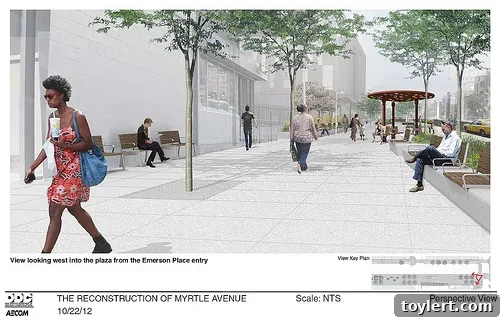
A long-awaited vision for Brooklyn’s vibrant Myrtle Avenue is finally set to become a reality. In a pivotal decision, the Public Design Commission officially approved the comprehensive plans for the Myrtle Plaza, an ambitious initiative designed to transform a significant stretch of Myrtle Avenue into a dynamic, pedestrian-friendly urban space. This monumental project, spanning two blocks between Hall Street and Emerson Place, promises to revitalize the area, fostering enhanced community engagement, cultural enrichment, and a greener urban landscape.
The approval marks a crucial step forward for a project that has been the subject of extensive planning and anticipation within the Fort Greene and Clinton Hill communities. Residents and local businesses alike have eagerly awaited the green light for a design that re-imagines Myrtle Avenue, not merely as a thoroughfare, but as a destination – a true heart for the neighborhood.
The Vision Behind Myrtle Plaza: Reclaiming Urban Space for the Community
The concept of Myrtle Plaza is rooted in a desire to enhance the quality of life for Brooklyn residents by creating a dedicated pedestrian zone. For years, Myrtle Avenue, while a critical commercial and transportation artery, presented challenges for pedestrians and lacked sufficient public gathering spaces. The approved design seeks to remedy this by converting the segment between Hall Street and Grand Avenue into a true pedestrian plaza, a sanctuary from vehicular traffic where community life can thrive.
This ambitious plan extends beyond merely closing off streets; it encompasses a holistic revamp of the avenue. The core idea is to introduce a meticulously designed urban environment that encourages walking, socializing, and appreciating local culture. The project is a testament to thoughtful urban planning, aiming to balance the avenue’s commercial vitality with the community’s need for accessible, beautiful public spaces.
Key Enhancements and Features of the New Design
The approved plans detail a suite of specific improvements, each carefully considered to maximize functionality, aesthetics, and community benefit. These enhancements are designed to transform the two-block stretch into a vibrant, multi-functional public realm.
- Improved Crossings: Pedestrian safety is paramount. The design incorporates better, more clearly marked crossings, ensuring safer and more efficient movement for walkers across the avenue. This directly addresses historical concerns about pedestrian-vehicular conflicts, creating a more harmonious streetscape.
- New Bus Stops: Public transportation is a lifeline for many Brooklynites. Upgraded and thoughtfully integrated bus stops will enhance the commuter experience, offering more comfortable and accessible waiting areas that blend seamlessly with the plaza’s new aesthetic.
- Enhanced Greenery: The plaza will feature a significant increase in urban foliage, with the addition of numerous new trees and attractive planters. These elements will not only beautify the space but also provide much-needed shade, improve air quality, and contribute to a healthier urban ecosystem.
- Interactive Game Tables: To foster social interaction and recreation, dedicated game tables will be installed. These can serve as casual gathering spots for residents of all ages, promoting impromptu games of chess or checkers and encouraging community bonding.
- Public Water Fountain: A permanent water fountain will offer a practical amenity for visitors, particularly during warmer months, reinforcing the plaza’s role as a comfortable and hospitable public space.
- Permanent Art Installation: Culture and aesthetics are central to the Myrtle Plaza vision. A permanent art installation will serve as a focal point, contributing to the area’s unique identity and providing a creative landmark for residents and visitors.
- Movable Tables and Chairs: Flexibility is key to modern urban design. The inclusion of movable tables and chairs will allow the space to adapt to various uses, from individual relaxation to small group gatherings, coffee breaks, or outdoor working sessions, empowering users to configure the space to their needs.
- Community Programming and Public Art: Beyond the physical structures, the plan emphasizes robust community programming. This includes potential for outdoor markets, live performances, art exhibitions, and educational events, ensuring the plaza remains a dynamic hub of activity year-round.
Overcoming Hurdles: A Journey of Planning and Advocacy
The journey to the Myrtle Plaza’s approval was not without its challenges. Initial proposals and design iterations faced various delays, often related to funding acquisition, coordination among multiple city agencies, and the intricate process of public review and feedback. These delays, as noted previously, have been a characteristic of the project’s long history. Such ambitious urban revitalization projects typically require extensive stakeholder engagement, environmental impact assessments, and complex logistical planning, which can naturally extend timelines.
However, the persistent advocacy of organizations like the Myrtle Avenue Brooklyn Partnership, alongside dedicated community members and local elected officials, proved instrumental in navigating these complexities. The Partnership has been a tireless champion for the project, working collaboratively with designers, city planners, and the public to refine the vision and ensure it aligns with the community’s aspirations. Their commitment has been pivotal in steering the project through bureaucratic hurdles and maintaining momentum.
The Public Design Commission’s rigorous review process ensures that public works projects meet high standards of design, accessibility, and urban integration. Their approval signifies that the Myrtle Plaza plans not only meet these criteria but are also poised to contribute positively and significantly to Brooklyn’s urban fabric.
Anticipated Impact: Transforming Lives and Local Economy
The completion of Myrtle Plaza is expected to yield substantial benefits across multiple dimensions, fundamentally enhancing the character and functionality of Myrtle Avenue and the surrounding neighborhoods.
Economic Revitalization
Pedestrian plazas are known catalysts for economic growth. By increasing foot traffic and creating an attractive environment, Myrtle Plaza is anticipated to boost patronage for local businesses, from small boutiques to cafes and restaurants. This surge in activity could lead to new business opportunities, job creation, and a more robust local economy, making Myrtle Avenue an even more desirable commercial corridor.
Enhanced Community Cohesion
A central goal of the plaza is to foster a stronger sense of community. By providing a dedicated space for gathering, events, and passive recreation, the plaza will act as a communal living room for the neighborhood. This encourages social interaction, strengthens neighborly ties, and creates a vibrant, inclusive public sphere where people can connect and share experiences.
Environmental and Aesthetic Improvements
The introduction of extensive greenery and thoughtful landscaping will significantly improve the environmental quality of the area. Trees and planters help mitigate the urban heat island effect, absorb rainwater, and provide habitats for local wildlife. Aesthetically, the plaza will transform a utilitarian street into a visually appealing and inviting space, contributing to the overall beauty and livability of Brooklyn.
Improved Walkability and Accessibility
Prioritizing pedestrians inherently improves walkability. Safer crossings, wider pathways, and dedicated car-free zones will make Myrtle Avenue more accessible and enjoyable for everyone, including families with strollers, individuals with mobility challenges, and cyclists. This shift towards a more walkable urban environment aligns with broader city goals for sustainable transportation and healthy lifestyles.
Looking Ahead: Construction and the Future of Myrtle Avenue
With the Public Design Commission’s approval now firmly in place, the project is moving swiftly towards its next phase. As reported by Myrtle Minutes, construction is slated to commence in the upcoming summer and is projected to last for more than a year. While construction periods can present temporary inconveniences, the long-term benefits are expected to far outweigh any short-term disruptions.
The completion of Myrtle Plaza will not only mark the successful culmination of years of planning and advocacy but will also serve as a beacon for urban revitalization projects across the city. It underscores the profound impact that well-designed public spaces can have on a neighborhood’s identity, economy, and the overall well-being of its residents. The Myrtle Avenue Brooklyn Partnership has diligently documented the proposed designs and the project’s evolution, offering an exciting glimpse into the future via their comprehensive Flickr set, which showcases all the detailed plans for the avenue’s transformation.