By Barbara Russo-Lennon, amNY
Brooklyn’s Subway Nightmare: Thousands Stranded After Downtown Power Outage
Fear, frustration, and a palpable sense of stress gripped thousands of New York City subway riders the day after an unprecedented power failure plunged sections of Downtown Brooklyn’s vital transit lines into chaos during the evening rush hour. What began as a routine commute for countless New Yorkers quickly devolved into a terrifying ordeal, leaving passengers trapped in dark, immobile subway cars and sparking widespread concern about the resilience of the city’s aging infrastructure. The incident, a stark reminder of urban vulnerabilities, left an indelible mark on commuters and highlighted the critical importance of a robust and reliable public transportation system.
The Moment Darkness Descended: December 11th’s Unforgettable Evening
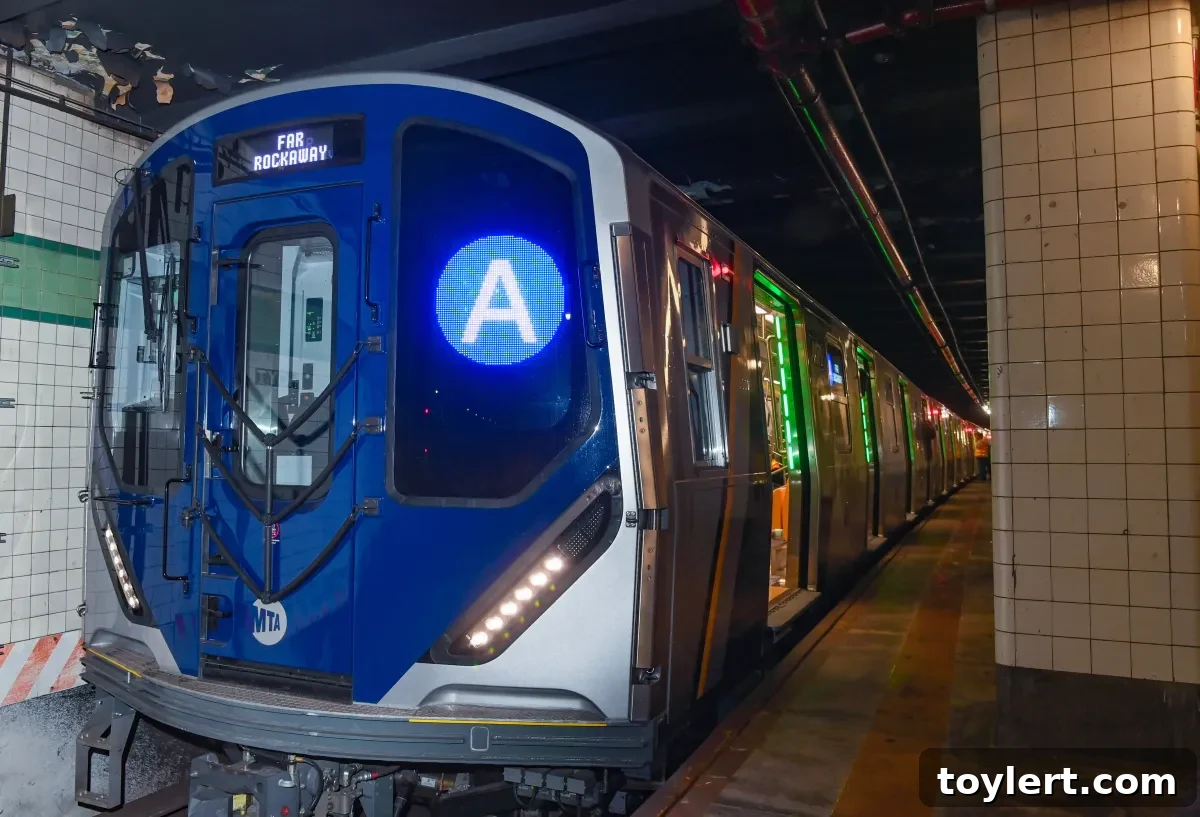
The harrowing incident commenced precisely at 5:30 p.m. on Wednesday, December 11, bringing the bustling A, C, F, and G lines to an abrupt halt between the critical Jay Street-MetroTech and Hoyt-Schermerhorn stations in the heart of Downtown Brooklyn. This major disruption, affecting a substantial artery of the city’s transit network, sent shockwaves across the metropolis and immediately impacted thousands of commuters heading home. According to MTA Chair and CEO Janno Lieber, the root cause was identified as an explosion at a nearby Con Edison substation. This catastrophic event resulted in a “big section” of the transit system losing power, triggering a chain reaction of immobilized trains, widespread delays, and significant passenger distress across multiple lines.
Trapped Below Ground: First-Hand Accounts of the Subway Power Failure
For those aboard the stalled trains, the initial confusion quickly turned to alarm. Carriages designed to transport hundreds now became unexpected holding cells, often devoid of air conditioning, without adequate lighting, and with rapidly dwindling communication capabilities. Passengers described the stifling atmosphere as temperatures rose, the pervasive anxiety of not knowing what was happening, and the sheer helplessness of being stuck deep beneath the city streets. Emergency lights, where functional, cast an eerie glow, while the familiar hum of the subway system was replaced by an unsettling silence, occasionally punctuated by frustrated shouts, the cries of worried children, or the hushed conversations of commuters trying to make sense of the situation. The hours that followed were a testament to both the resilience of New Yorkers and the stark realities of navigating an urban crisis underground.
MTA personnel, emergency services, and Con Edison crews mobilized rapidly, but the sheer scale of the outage and the unique challenges of extricating thousands of people from underground tunnels meant a slow and arduous process. Communication, a critical factor in any crisis, proved to be a significant hurdle. Cell service underground is notoriously unreliable, leaving many passengers unable to contact loved ones or receive vital updates from official channels. The lack of clear, consistent information exacerbated the fear and frustration, turning an already difficult situation into a profound test of endurance for everyone involved. Rescuers often had to guide passengers along the tracks in dimly lit tunnels, a procedure fraught with its own dangers, particularly for the elderly, disabled, or those with young children, requiring meticulous coordination and extreme caution.
Unpacking the Cause: Con Edison’s Role and the Ongoing Investigation
The focus quickly shifted to the Con Edison substation explosion, the identified catalyst for this widespread transit paralysis. While the exact nature and origin of the explosion are subject to a thorough ongoing investigation, preliminary reports suggested a significant equipment malfunction or system overload within the critical infrastructure. Substations are vital nodes in the power grid, transforming high-voltage electricity for distribution to consumers, including essential public services like the subway system. An incident of this magnitude at such a facility highlights potential vulnerabilities in the broader energy network that powers New York City. Con Edison, in close coordination with the MTA and city authorities, commenced a detailed probe into the incident, aiming to determine not only what went wrong but also how future occurrences can be effectively prevented through enhanced maintenance and contingency planning.
This incident serves as a stark reminder of the intricate and often delicate interconnectedness of urban infrastructure. A single point of failure within one system – the power grid – had immediate and far-reaching consequences for another critically important system – public transportation. It prompts crucial questions about redundant power supplies, fail-safe mechanisms, and the overall robustness and age of the systems New Yorkers rely on daily. Ensuring the integrity and resilience of these essential services is paramount, especially in a city as densely populated, economically vibrant, and utterly reliant on its infrastructure as New York. The findings from this investigation will undoubtedly inform future policy and investment decisions aimed at fortifying the city’s foundational services against unforeseen disruptions.
The Ripple Effect: Beyond the Subway Tunnels
The disruption wasn’t confined to the subway tunnels. The morning after the power failure, Downtown Brooklyn and surrounding areas faced significant ripple effects that permeated daily life and commerce. Thousands of commuters, normally relying on the A, C, F, and G lines as their primary mode of transport, scrambled to find alternative routes, overwhelming buses, Long Island Rail Road (LIRR) services, and even leading to a surge in ride-sharing demand. Traffic congestion soared across bridges and tunnels as more people resorted to cars, turning already challenging commutes into prolonged ordeals. Businesses in the affected areas, particularly those dependent on evening rush hour foot traffic and timely deliveries, reported substantial losses, while employees struggled to reach their workplaces on time, impacting productivity across various sectors of the city’s economy.
Beyond the immediate logistical and economic challenges, the incident undoubtedly tested public trust in the MTA and Con Edison. For many, the ability to commute reliably and safely is a foundational aspect of city living and working. When that trust is shaken by such a dramatic and inconvenient event, it sparks broader conversations about accountability, necessary investment in aging infrastructure, and robust emergency preparedness protocols. The MTA’s communication strategy during and after the crisis will be under intense scrutiny, as effective, transparent, and timely public information is crucial for managing expectations, alleviating anxiety, and guiding commuters during prolonged and widespread disruptions. Rebuilding and maintaining public confidence will be a key challenge for both utility and transit authorities in the aftermath of this event.
Towards a Resilient Future: Lessons Learned and Preventative Measures
Such large-scale disruptions inevitably lead to calls for comprehensive reassessment and significant improvement. The December 11th power failure is expected to spur further discussions and immediate action within the MTA, Con Edison, and relevant city planning departments regarding enhancing the resilience of critical infrastructure across New York City. This could involve exploring diversified and redundant power sources for key transit hubs, systematically upgrading aging substation equipment, implementing advanced monitoring systems to detect potential failures proactively, and improving emergency protocols for passenger evacuation and communication to be even more efficient and effective. Investing in modern, robust, and smart infrastructure is not merely a matter of convenience; it is a fundamental requirement for the sustained functionality, economic vitality, and overall safety of a global metropolitan hub like New York, which operates 24/7.
For individual commuters, this event serves as a potent reminder of the importance of personal preparedness. Carrying essential items such as a portable phone charger, staying informed through official channels like the MTA’s app and social media feeds, and familiarizing oneself with alternative routes and transportation options can significantly mitigate the impact of unexpected delays or outages. While authorities strive to prevent such incidents with every possible measure, understanding how to navigate them effectively empowers residents and visitors alike to minimize personal inconvenience and contribute to a more orderly response during times of crisis. Proactive planning on both the institutional and individual levels is essential for urban resilience.
The Enduring Spirit of New York’s Commuters
Despite the challenges, the frustrations, and the moments of fear, the incident also powerfully highlighted the enduring spirit and collective resilience of New Yorkers. Stories of passengers helping each other, emergency personnel working tirelessly and bravely under difficult conditions, and communities adapting resourcefully to the unexpected disruption emerged amidst the chaos, showcasing the city’s unique solidarity. While the memory of the Downtown Brooklyn subway power failure on December 11th will undoubtedly linger as a stark reminder of urban vulnerabilities and the ever-present need for infrastructure vigilance, it also underscores the collective determination to overcome adversity and continually strive for a more reliable, safer, and ultimately more resilient city for all its inhabitants.
Page 2 |
Page 3 |
Page 4 |
Page 5 |
Page 6 |
Page 7 |
View All Pages