The Ubiquitous Belvedere Buildings of Greenpoint: A Deep Dive into Brooklyn’s Architectural Phenomenon
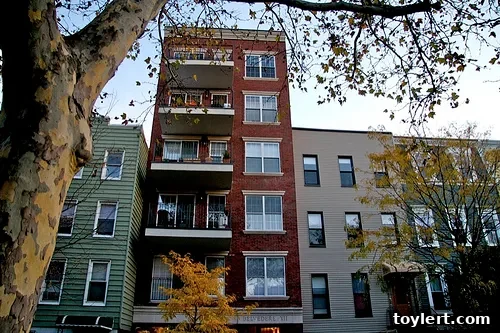
A distinctive architectural pattern has woven itself into the fabric of Greenpoint, Brooklyn, quietly shaping its streetscape over the past two decades. Astute observers navigating the neighborhood’s charming, tree-lined streets invariably notice a peculiar and rather prolific phenomenon: dozens of small to medium-sized apartment buildings, seemingly cut from the same cloth, yet each possessing its own subtle individuality. These structures, predominantly adorned with classic red brick facades, often feature inviting balconies, prominent white columns, and, almost without exception, bear the singular name “Belvedere.” This ubiquitous presence is no accident, but rather the deliberate imprint of a single development firm, whose vision and strategy profoundly influenced Greenpoint’s residential landscape.
The story behind these buildings, and indeed their captivating name, traces back to the very roots of the development firm itself. As the New York Times once uncovered, the inspiration for “Belvedere” stems from the Belvedere Palace, the distinguished state house of the president of Poland. This choice of nomenclature is deeply personal, reflecting the heritage of the firm’s original partners, who hailed from Poland. It’s a subtle yet powerful nod to their origins, embedding a piece of their cultural identity into the very architecture of their new home in Brooklyn. This cultural resonance, perhaps inadvertently, added a layer of familiarity and comfort for many residents in Greenpoint, a neighborhood historically known for its strong Polish-American community.
Origins and Inspiration: A Name Echoing European Grandeur
The decision to name each building “Belvedere,” often accompanied by a Roman numeral or a sequential number, lent an immediate air of sophistication and continuity to the developments. Beyond a simple brand, it became a recognizable motif, a signature that residents and visitors alike could easily identify. The Belvedere Palace itself, with its rich history and classical architecture, embodies a certain grandeur and permanence. By associating their residential projects with such an esteemed landmark, the developers likely aimed to imbue their buildings with a similar sense of quality and timelessness, even if on a smaller, more accessible scale. This strategy proved highly effective in creating a coherent identity for their diverse portfolio of properties scattered across Greenpoint, subtly enhancing their market appeal.
The proliferation of these buildings coincided with a period of significant transformation for Greenpoint. Once a predominantly industrial hub with a strong working-class character, the neighborhood began its accelerated journey towards gentrification in the late 20th and early 21st centuries. Manufacturing plants gave way to residential conversions, and the demand for new housing surged. The Belvedere developments emerged precisely to meet this growing need, offering new condominiums and rental units to a burgeoning population drawn by Greenpoint’s charm, its relative affordability compared to Manhattan, and its enviable proximity to the East River waterfront and Manhattan skyline views.
Architectural Style: A Blend of Classicism and Contextual Ambition
The architectural style of the Belvedere buildings is distinctive and immediately recognizable to anyone familiar with Greenpoint’s evolving urban fabric. Most feature robust red brick facades, a material choice that harks back to classic Brooklyn brownstones and pre-war apartment buildings, suggesting durability, tradition, and a timeless appeal. These are frequently complemented by ornate white columns, often framing grand entranceways or supporting elegant balconies, adding a touch of classical elegance reminiscent of European architecture. The inclusion of balconies, in particular, was a clever design choice, providing residents with private outdoor space – a highly coveted amenity in dense urban environments – while simultaneously breaking up the monotony of flat facades and adding visual interest to the street level.
Critical opinions on the architectural merits of these buildings have, predictably, been mixed, reflecting the ongoing debate between rapid urban development and the preservation of neighborhood character. An architect and long-time Greenpoint resident, when asked about the Belvedere style, offered a pragmatic assessment: “They could be worse.” This statement, while not glowing praise, suggests an acknowledgment of their functional success and perhaps an appreciation for their relative lack of ostentatious flaws. It hints at a landscape of urban development where many new constructions often face far harsher criticism for their lack of character or their jarring modernism that clashes with existing structures.
Matthew Coody, the esteemed founder of Preservation Greenpoint, offered a more nuanced perspective, remarking, “Their heart is in the right place; I think they’re trying to be contextual.” This observation is crucial. It suggests that the developers, whether consciously or subconsciously, attempted to integrate their new constructions into the existing architectural fabric of Greenpoint. The consistent use of red brick, for instance, aligns seamlessly with many of the neighborhood’s older buildings. The classical elements, while sometimes perceived as somewhat generic or mass-produced, might have been an attempt to evoke a sense of established beauty and order, rather than introducing starkly modern designs that could clash with Greenpoint’s historic charm and brownstone aesthetic.
The Developer’s Strategy: Building By The Numbers for Greenpoint’s Growth
The sheer number of Belvedere buildings scattered across Greenpoint speaks volumes about the development firm’s pragmatic and highly efficient strategy. The “building by the numbers” approach, as highlighted by the New York Times, was not merely about sequential naming; it was a sophisticated business model predicated on standardization and repetition. By utilizing similar floor plans, consistent material palettes, and recognizable architectural motifs across multiple projects, the developers could significantly streamline the construction process, reduce overall costs, and accelerate the pace of development. This efficiency allowed them to capitalize effectively on Greenpoint’s burgeoning real estate market, delivering much-needed housing units rapidly to a neighborhood experiencing unprecedented demand.
This systematic approach, while undoubtedly highly effective from a business standpoint, sometimes drew criticism for its perceived lack of bespoke design or architectural innovation. Yet, for many residents seeking quality housing at a relatively accessible price point, the consistency of the Belvedere brand represented reliability and a known quantity. These buildings provided well-constructed, modern living spaces that offered a distinct upgrade from older, often unrenovated, housing stock in the area. They filled a vital niche, catering to a demographic eager to embrace Greenpoint’s evolving identity without necessarily seeking high-end luxury or avant-garde design, prioritizing comfort and practicality instead.
The “Belvedere Effect”: Imitation as the Sincerest Form of Flattery
The impact of the Belvedere developments was so significant that their distinctive style began to influence other builders in the area, creating a mini-trend within Greenpoint’s architectural landscape. This phenomenon is perhaps best exemplified by the emergence of “Osho Castle.” This strikingly similar development, notably located just down the block from one of the established Belvedere projects (specifically, Belvedere XXX), wasn’t constructed by the original Belvedere firm. Instead, a different developer, clearly impressed by the visual appeal and evident market success of the Belvedere aesthetic, specifically hired a Belvedere architect to replicate the look and feel. This direct act of imitation is a powerful testament to the perceived success and desirability of the Belvedere style, solidifying its status as a recognizable, and highly marketable, architectural signature within Greenpoint.
Osho Castle, with its mirrored design cues, demonstrates how a successful formula can inspire a broader trend in urban development. It underscores the commercial viability of a particular aesthetic and illustrates how developers often observe what sells and what resonates most strongly with buyers and renters. In Greenpoint’s increasingly competitive real estate landscape, the Belvedere look became a proven commodity, a style that implicitly communicated certain values: solid construction, traditional appeal, and perhaps a touch of old-world European charm. This trend suggests that while architectural purists might debate the merits of such widespread replication, the market, in its wisdom, often gravitates towards what is familiar, functional, and aesthetically pleasing to a broad base of consumers.
Greenpoint’s Evolving Identity: The Enduring Belvedere Legacy
The Belvedere buildings, in their sheer number and consistent style, have become an indelible part of Greenpoint’s modern identity. They stand as physical markers of a pivotal era in the neighborhood’s history – a period of intense growth, significant demographic shift, and profound urban renewal. They represent the dreams and ambitions of developers who saw immense potential in a historically industrial area, and they also embody the aspirations of countless new residents drawn to Brooklyn’s vibrant communities, seeking a place to call home.
Beyond the brick and columns, these buildings reflect larger narratives about urban development in New York City. They speak to the complex interplay between preservation and progress, between maintaining historical character and accommodating the relentless demands of a growing metropolis. While some may view their uniformity as a missed opportunity for greater architectural diversity and unique design, others appreciate their significant contribution to providing much-needed housing and their often-successful attempt to blend into, rather than jarringly dominate, the existing streetscape. Their presence contributes to the fabric of the neighborhood without overwhelming its established charm.
The legacy of the Belvedere developments extends far beyond their immediate aesthetic. They played a crucial role in the transformation of Greenpoint into one of Brooklyn’s most sought-after neighborhoods, a vibrant community experiencing a renaissance. They helped set a tangible precedent for future residential construction, proving that a consistent, well-executed design strategy could achieve significant market penetration and consumer acceptance. As Greenpoint continues to evolve and adapt to new challenges and opportunities, the Belvedere buildings will undoubtedly remain a fascinating chapter in its architectural story, a testament to how specific development choices can profoundly shape the character of an entire urban district for generations to come.
In conclusion, the “Belvedere” phenomenon in Greenpoint is more than just a collection of buildings; it’s a testament to a unique development vision, a strategic response to a booming housing market, and a distinctive architectural signature that has profoundly influenced a beloved Brooklyn neighborhood. From their Polish-inspired name to their characteristic red brick and white columns, these structures tell a compelling story of urban growth, cultural heritage, and the enduring quest to create homes that resonate with both tradition and modernity, ultimately leaving an undeniable mark on Greenpoint’s identity.
Belvedere XXVII by catasterist