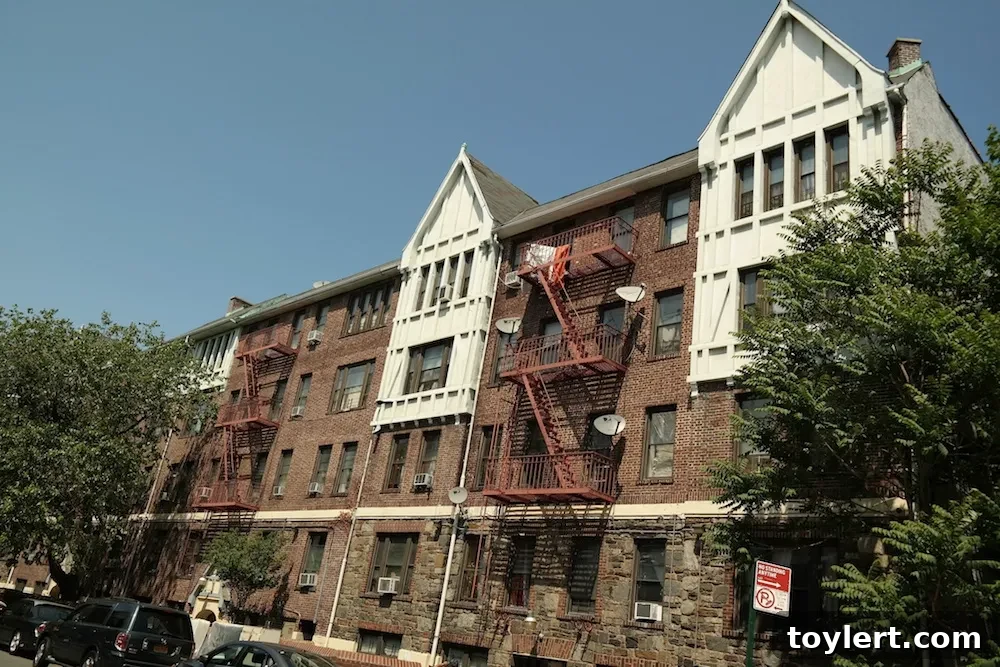
Brooklyn’s Ever-Evolving Tapestry: Unpacking the Latest Urban Stories and Developments
Brooklyn, a borough celebrated for its dynamic blend of history, culture, and relentless innovation, continues to captivate with a constant flow of intriguing news and developments. From groundbreaking environmental initiatives that marry tradition with sustainability to significant real estate shifts shaping its iconic skyline, and the exploration of its rich, often mysterious past, Brooklyn’s narrative is perpetually being written. This comprehensive overview delves into some of the most compelling stories emerging from its diverse neighborhoods, offering a deep dive into the unique character and ongoing transformations that define this vibrant corner of New York City.
The spirit of Brooklyn is one of constant flux and bold reinvention, where historic landmarks coexist with cutting-edge urban planning, and community narratives are as diverse as the residents themselves. Join us as we explore the pulse of the borough, examining how these individual stories contribute to the larger, intricate tapestry of Brooklyn’s identity.
Green-Wood Cemetery Embraces Urban Beekeeping with a Sweet Honey Venture
Green-Wood Cemetery, a sprawling 478-acre National Historic Landmark in Brooklyn, is renowned not only for its breathtaking landscapes and historic interments but also for its commitment to environmental stewardship. In an exciting move towards sustainable urban practices, the cemetery has embarked on a unique venture: commercial beekeeping. This initiative sees Green-Wood leveraging its expansive, verdant grounds to host thriving bee colonies, contributing significantly to local biodiversity and producing its own distinct brand of Brooklyn honey. The “sweet deal,” as it’s been dubbed, highlights a growing trend of urban beekeeping, where green spaces in dense metropolitan areas are utilized for ecological benefit and community engagement.
The project offers multiple benefits. Beyond providing a crucial habitat for pollinators, which are vital for the health of local ecosystems, Green-Wood’s honey production creates a tangible connection between the community and the natural world. Visitors and locals alike can appreciate the direct output of these efforts, savoring a product that embodies the essence of Brooklyn’s green initiatives. This innovative approach further solidifies Green-Wood Cemetery’s role not just as a place of remembrance, but as an active participant in promoting ecological health and sustainable living within the South Slope neighborhood and beyond. It’s a testament to how historic institutions can adapt and contribute meaningfully to contemporary environmental challenges.
Dark Comedy on Ridge Street Reflects Brooklyn’s Gentrification Realities
Gentrification remains one of the most pressing and often contentious issues facing Brooklyn’s rapidly evolving neighborhoods. This complex phenomenon, characterized by the influx of wealthier residents and businesses, often leads to dramatic shifts in neighborhood demographics, culture, and economic landscape. A recent independent film, a dark comedy shot on Ridge Street, has bravely tackled this sensitive subject, aiming to provide a humorous yet poignant reflection on the human experience amidst such profound changes. Choosing Ridge Street as its backdrop likely emphasizes the everyday settings where these transformations unfold, making the narrative more relatable to Brooklynites.
The decision to frame gentrification through the lens of dark comedy allows filmmakers to explore the absurdities, ironies, and inherent conflicts that arise when communities undergo rapid change. It offers a unique platform to discuss the tension between long-term residents and newcomers, the erosion of cultural heritage, and the displacement that often accompanies economic development. Such artistic endeavors serve as vital cultural commentaries, sparking conversations and encouraging a deeper understanding of the social dynamics at play. The film’s setting in Brooklyn speaks directly to the borough’s own struggles and triumphs in managing growth while striving to preserve its unique identity and sense of community.
Coney Island Boardwalk Sections Reimagined as Italian Esplanade
Coney Island, an iconic symbol of Brooklyn’s vibrant leisure and entertainment history, is witnessing a fascinating transformation along its famed boardwalk. Portions of the historic Coney Island Boardwalk, an enduring fixture of summer revelry and nostalgic charm, have been reclaimed and are now being rebranded as an “Italian Esplanade.” This ambitious revitalization project aims to infuse a new cultural flavor into the beloved beachfront area, potentially introducing new attractions, culinary experiences, and public spaces that celebrate Italian heritage and influence.
The concept of an Italian Esplanade suggests a deliberate effort to create a themed environment that could draw both tourists and local residents, offering a different kind of experience beyond the traditional amusement park attractions. This development could include new architectural elements, landscaping, and perhaps even designated areas for Italian festivals and cultural events, further enriching Coney Island’s already diverse entertainment offerings. It represents a bold step in urban renewal, seeking to re-energize a historic site while honoring a specific cultural narrative. The success of such a venture will depend on its ability to integrate seamlessly with Coney Island’s existing identity, creating a cohesive and inviting space that complements its rich past while forging an exciting future for Brooklyn’s beloved waterfront playground.
Who Will Acquire Downtown Brooklyn’s Iconic Dime Savings Bank Building?
The Dime Savings Bank Building in Downtown Brooklyn stands as a magnificent testament to neoclassical architecture and a cherished local landmark. Its distinctive dome and grand presence have long dominated the cityscape, making any news regarding its future ownership a matter of considerable public interest and speculation. The question of “who will be the new owner” is not merely about a real estate transaction; it touches upon issues of historical preservation, adaptive reuse, and the evolving identity of Downtown Brooklyn itself. This architectural gem, completed in 1908, represents an era of opulent banking institutions and remains one of the borough’s most recognizable structures.
The sale of such an iconic building presents both opportunities and challenges. A new owner could bring fresh vision and investment, potentially transforming the space for modern use while meticulously preserving its historic integrity. Given its prime location in a rapidly developing commercial and residential hub, the building could be reimagined as luxury retail, office space, or even a unique cultural venue. However, the process also raises concerns among preservationists and community members about ensuring the building’s architectural significance is respected. The outcome of this acquisition will undoubtedly play a pivotal role in shaping the ongoing narrative of Downtown Brooklyn’s blend of historic grandeur and contemporary urban development, making it a closely watched story in Brooklyn real estate.
Seven-Family Building Planned for 341 Fenimore Street, Prospect Lefferts Gardens
Prospect Lefferts Gardens, a charming and increasingly sought-after neighborhood in Brooklyn, is experiencing significant growth and development, particularly in its residential sector. The announcement of plans for a seven-family building at 341 Fenimore Street underscores the sustained demand for housing in this vibrant community. Such developments are indicative of Brooklyn’s dynamic housing market, where developers are actively seeking opportunities to cater to a growing population eager to reside in neighborhoods boasting a rich architectural heritage, tree-lined streets, and convenient access to Prospect Park.
The construction of a multi-family dwelling like this seven-unit building typically involves careful consideration of zoning regulations, neighborhood character, and the provision of adequate amenities for future residents. For Prospect Lefferts Gardens, these projects contribute to the neighborhood’s evolving density and diverse housing stock, offering more options for families and individuals looking for urban living with a touch of historic charm. While new construction brings the benefit of increased housing supply, it also prompts discussions about its impact on local infrastructure, community services, and the overall aesthetic of the streetscape. The Fenimore Street project is a microcosm of the larger development trends shaping one of Brooklyn’s most appealing residential enclaves.
Unraveling the Mystery: What Evil Lurked at 666 Macon Street in 1903?
Brooklyn’s extensive history is rich with compelling tales, some of which delve into the darker, more mysterious aspects of its past. The question, “What Evil Lurks at 666 Macon? (1903),” immediately conjures images of intrigue and historical true crime, inviting us to peer into the shadowy corners of a bygone era. Such provocative headlines, often unearthed by dedicated historians and local researchers like the “Brownstone Detectives,” spark significant curiosity about the lives and events that shaped early 20th-century Brooklyn. Macon Street, like many others in historic Brooklyn neighborhoods, is lined with beautiful brownstones that hold countless stories within their walls.
Investigating what “evil” might have plagued 666 Macon Street in 1903 could lead to uncovering forgotten scandals, unsolved crimes, tragic accidents, or perhaps even persistent local legends that have woven themselves into the fabric of the community. These historical deep dives offer more than just sensationalism; they provide valuable insights into the social mores, legal systems, and daily lives of Brooklynites from over a century ago. Understanding these historical “evils” helps us appreciate how communities dealt with adversity, how justice was pursued, and how certain events left an indelible mark on specific locations. It’s a fascinating journey into the archives, connecting us directly to the human dramas that unfolded on these very streets, long before they became the vibrant, modern Brooklyn we know today.
Brooklyn’s Enduring Spirit: A Nexus of Past, Present, and Future
As we navigate through these diverse narratives—from the eco-conscious initiatives of Green-Wood Cemetery to the artistic critiques of gentrification, the cultural rebranding of Coney Island, the future of iconic architecture, new residential developments, and the tantalizing mysteries of its past—a clear picture of Brooklyn emerges. It is a borough in perpetual motion, constantly negotiating its rich heritage with the demands and opportunities of the present. Each story, whether big or small, contributes to the complex and captivating identity of Brooklyn, reinforcing its status as a dynamic urban landscape where history is always alive and the future is continuously being built. This interplay of preservation and progress, community and development, ensures that Brooklyn remains one of the most compelling and culturally significant places on the planet.
Photo by Jeff Reuben