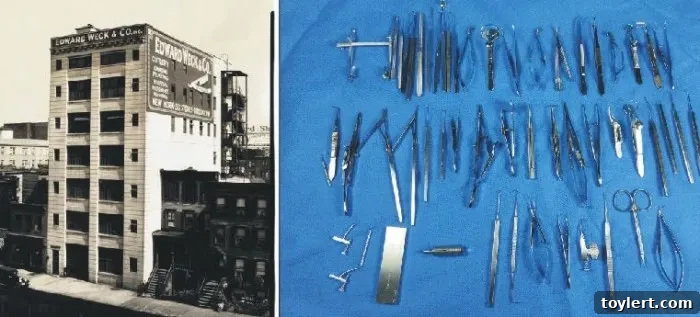
Brooklyn’s Renaissance: From Industrial Powerhouse to Modern-Day Maker City
Every day, the narrative unfolds across headlines and social media feeds: innovative companies, from nascent startups to established creative agencies, are making the strategic move to Brooklyn. This vibrant borough, once the manufacturing heartbeat of America, is experiencing an unprecedented resurgence, attracting a diverse array of businesses and entrepreneurs. What draws these inventive minds and their ventures to its storied streets? The allure is multifaceted: readily available commercial spaces – often repurposed industrial buildings brimming with character – an unparalleled network of public transportation connecting every corner of the city, and the tantalizing promise of forging a fortune and a unique identity within one of the world’s most dynamic urban landscapes. Everyone, it seems, covets that distinctive “Brooklyn” imprimatur, a badge synonymous with innovation, craftsmanship, and a certain undeniable cool.
There’s a palpable hope, a shared vision, that Brooklyn will once again embody its historical identity as a true “city of makers.” This isn’t merely a nostalgic sentiment; it’s a forward-looking ambition rooted deeply in the borough’s rich past. For generations, Brooklyn was a titan of industry, a place where everything imaginable was conceived, designed, and produced within its very borders. This manufacturing prowess wasn’t confined to far-flung industrial parks; rather, factories and workshops thrived within walking distance of some of its most desirable residential neighborhoods, fostering an integrated urban fabric where work and life seamlessly intertwined.
Unearthing Brooklyn’s Industrial Heritage: A City Built on Making
For those fascinated by urban history and geography, poring over old maps of Brooklyn offers a captivating journey through time. It’s a revelation to discover the sheer breadth and diversity of goods once manufactured here, an enduring testament to the borough’s incredible self-sufficiency. Brooklyn was, for all intents and purposes, a self-contained city, capable of producing almost everything it needed to sustain itself. From heavy machinery and precision tools to textiles, furniture, chemicals, and even the everyday items that filled homes and businesses, Brooklyn’s factories churned out a staggering variety of products. The only exception, perhaps, was fresh food, though even that was cultivated extensively in the sprawling farmlands of Southern Brooklyn and Flatbush well into the 20th century, providing local sustenance before the advent of industrial agriculture truly took hold.
To truly grasp the scale of Brooklyn’s industrial legacy, one needs only to traverse its historical manufacturing core. This sprawling network encompasses all of the waterfront areas – from Red Hook and DUMBO to Greenpoint – extending inland to districts like Gowanus, the border regions of Bedford-Stuyvesant and Clinton Hill, and the vibrant communities of Crown Heights and Prospect Heights, culminating in the industrial heartlands of Bushwick. Driving or walking through these areas today provides an evocative glimpse into what once was: monumental factory buildings, sprawling warehouses, and intricate canal systems that served as vital arteries for commerce. While many of these structures have undergone profound transformations, their architectural skeletons still whisper tales of their industrious past, hinting at the colossal economic engine that once powered this borough.
The Modern Allure: Why Businesses Are Choosing Brooklyn
The current wave of companies relocating to Brooklyn is not a mere trend; it’s a calculated decision driven by a unique confluence of factors. Beyond the practical considerations of space and transport, there’s a magnetic draw to Brooklyn’s distinctive culture. The “Brooklyn name” carries significant brand equity, signaling creativity, authenticity, and a connection to a vibrant, diverse community. For many businesses, particularly those in the creative, tech, artisanal, and craft sectors, establishing roots in Brooklyn offers an immediate boost to their identity and market appeal.
One primary driver is the availability of commercial space. While Brooklyn’s landscape has changed dramatically, many of its historic industrial buildings, once left vacant or underutilized, have been painstakingly revitalized. These repurposed factories and warehouses offer expansive layouts, high ceilings, abundant natural light, and a unique architectural character that modern office buildings often lack. This industrial chic aesthetic resonates deeply with startups and creative enterprises seeking environments that foster innovation and collaboration. Areas like DUMBO, Bushwick, and Red Hook, once gritty industrial zones, have been transformed into bustling hubs where tech companies, design studios, and artisanal workshops coexist.
Furthermore, Brooklyn boasts an exceptionally robust public transportation network. The intricate web of subway lines, bus routes, and commuter rail services ensures that employees and clients can easily access businesses from anywhere within the five boroughs. This accessibility is a crucial advantage in a dense urban environment, reducing commute times and expanding the talent pool available to local businesses. The convenience of transit also encourages a more sustainable mode of commuting, aligning with the values of many contemporary companies and their workforces.
Brooklyn as a “City of Makers”: A Legacy Reimagined
The vision of Brooklyn reclaiming its title as a “city of makers” is not about replicating its 19th-century industrial might. Instead, it’s about reinterpreting that legacy for the 21st century. The modern maker movement in Brooklyn is characterized by a focus on craft, innovation, local sourcing, and a deep appreciation for quality over mass production. This contemporary spirit manifests in diverse ways:
- Artisanal Food and Beverage: From craft breweries and distilleries to small-batch coffee roasters, artisanal bakeries, and gourmet food producers, Brooklyn is a haven for culinary innovation. These businesses often prioritize locally sourced ingredients and sustainable practices, creating unique products that cater to discerning palates.
- Design and Fashion: Independent fashion designers, custom furniture makers, jewelry artists, and graphic design studios thrive in Brooklyn. They often operate out of small workshops, focusing on bespoke creations and limited-edition runs, emphasizing craftsmanship and originality.
- Technology and Hardware: While known for its digital startups, Brooklyn is also home to a growing number of hardware innovators, developing everything from smart home devices to specialized electronics. These companies often leverage prototyping labs and collaborative workspaces found throughout the borough.
- Creative Services: Advertising agencies, film production houses, music studios, and art galleries find fertile ground in Brooklyn, drawn by the borough’s creative energy and diverse talent pool.
This re-emergence of the maker ethos is not just an economic phenomenon; it’s a cultural one. It fosters a strong sense of community among entrepreneurs, leading to collaborations, shared resources, and a supportive ecosystem where small businesses can grow and thrive. The passion for creation, the dedication to quality, and the desire to connect directly with consumers define this new generation of Brooklyn makers.
Industrial Core Revisited: Transformation and Preservation
The transformation of Brooklyn’s former industrial core is a powerful narrative of urban evolution. Let’s delve deeper into some of these key areas:
- The Waterfront (Red Hook, DUMBO, Greenpoint): Once dominated by shipping, docks, and heavy industry, these areas now represent some of Brooklyn’s most sought-after neighborhoods. DUMBO, for example, has transitioned from a warehouse district to a tech and creative hub, with historic loft buildings housing startups and design firms. Red Hook retains some industrial character but now also features art galleries, artisanal food shops, and stunning waterfront parks. Greenpoint, with its rich Polish heritage, is experiencing a boom, repurposing old factory sites into residential and commercial spaces while maintaining its unique charm.
- Gowanus: The Gowanus Canal, once a heavily polluted industrial waterway, is undergoing a significant environmental cleanup. Despite its challenging past, the surrounding neighborhood is experiencing a renaissance. Its large, historic industrial buildings are being converted into artist studios, light manufacturing spaces, breweries, and retail outlets. The area’s gritty authenticity and proximity to other desirable neighborhoods make it attractive to businesses seeking unique spaces.
- Bedford/Clinton Hill and Crown Heights/Prospect Heights: These areas, historically characterized by smaller workshops, printing presses, and garment factories nestled among brownstones, continue to evolve. Many of the smaller commercial buildings now house independent boutiques, cafes, co-working spaces, and creative agencies, blending seamlessly with the residential character of these tree-lined streets.
- Bushwick: Once a powerhouse of breweries and textile factories, Bushwick has emerged as a vibrant arts and cultural district. Its expansive factory buildings have been transformed into artist studios, galleries, music venues, and home to various small-batch manufacturers and tech companies. The neighborhood’s dynamic street art scene and burgeoning nightlife further enhance its appeal to a young, creative demographic.
The preservation of Brooklyn’s industrial architecture plays a crucial role in this transformation. These sturdy, often grand structures provide not only a physical space but also a historical context, imbuing new businesses with a sense of continuity and character that modern, generic buildings simply cannot replicate. High ceilings, large windows, and robust construction offer ideal environments for diverse ventures, from woodworking shops to software development firms.
Challenges and the Path Forward for Brooklyn Businesses
While the resurgence of Brooklyn as a business hub is undeniable, it is not without its challenges. The very popularity that draws businesses also contributes to rising commercial rents, making it increasingly difficult for smaller, independent ventures to afford space. Gentrification remains a persistent concern, prompting discussions about how to maintain the borough’s economic diversity and ensure that its growth benefits all residents and businesses, not just a select few.
Despite these hurdles, the opportunities for businesses in Brooklyn continue to expand. Ongoing public and private investments in infrastructure, community development, and supportive business networks are creating a robust ecosystem. The strong demand for unique, locally produced goods and services provides a fertile market for Brooklyn’s makers. Furthermore, the borough’s celebrated diversity fosters a wealth of talent and innovative ideas, making it a vibrant place to start and grow a company.
Conclusion: Brooklyn’s Enduring Legacy as a Hub of Innovation
Brooklyn’s journey, from a sprawling agricultural landscape to an industrial colossus, and now to a modern-day mecca for creativity and entrepreneurial spirit, is a testament to its enduring adaptability and resilience. The current wave of businesses relocating here is not merely chasing a trend; they are tapping into a deeply ingrained historical identity. Brooklyn’s past as a self-contained city of makers, where almost everything was produced locally, serves as an inspiring blueprint for its future.
Today, the borough stands as a compelling blend of historic charm and contemporary innovation. Its repurposed industrial spaces hum with new life, its diverse neighborhoods buzz with creative energy, and its extensive infrastructure continues to facilitate growth. As more companies seek out authenticity, community, and the unique brand identity that only Brooklyn can offer, the borough solidifies its reputation not just as a place to live, but as a dynamic and thriving center where ideas are born, products are crafted, and fortunes are forged. The spirit of the maker, once the bedrock of its economy, continues to define Brooklyn’s exciting future.