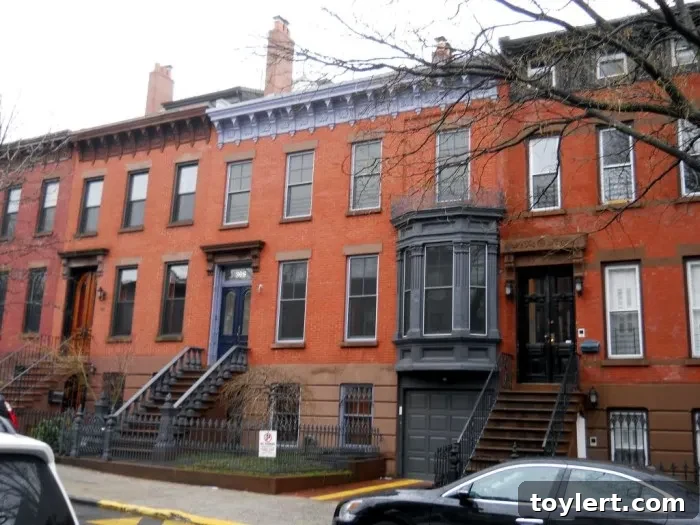
Brooklyn’s Timeless Charm: Discovering the Legacy of Historic Row Houses, One Building at a Time
Brooklyn, a borough celebrated for its dynamic neighborhoods, rich cultural tapestry, and captivating history, stands as a beacon of architectural grandeur in New York City. Central to its iconic urban landscape are the beloved row houses – elegant, time-honored structures that narrate tales of bygone eras while continuing to define the borough’s unique character. These residential marvels, often nestled shoulder-to-shoulder, forge a harmonious streetscape that has become synonymous with the quintessential Brooklyn aesthetic. This comprehensive article embarks on a journey through the enchanting world of Brooklyn’s row houses, exploring their profound historical roots, diverse architectural styles, and enduring appeal, with a special focus on the charming residences found on streets like 10th Street.
The Enduring Allure of Brooklyn’s Row Houses: A Historical Tapestry
The rise of row houses in Brooklyn was a phenomenon deeply intertwined with the borough’s rapid expansion during the 19th century. As New York City’s population boomed and spilled across the East River, Brooklyn transformed from a collection of quaint villages into a burgeoning urban hub. This demographic surge created an urgent demand for efficient, yet stylish, housing solutions for the burgeoning middle and upper-middle classes. Astute developers and builders responded by constructing rows of attached or semi-attached homes, a brilliant strategy that maximized land use while providing residents with comfortable, aspirational living spaces.
This period of intense construction coincided with the Industrial Revolution, which democratized access to building materials and streamlined manufacturing processes. Consequently, a rich palette of architectural styles emerged, each leaving an indelible mark on Brooklyn’s streetscapes. The consistent scale and rhythmic patterns of these row houses, characterized by shared walls and unified facades, cultivated a powerful sense of community and architectural cohesion that remains incredibly attractive to this day. They were not just individual homes but components of a grander urban design, creating cohesive blocks that radiated stability and prosperity.
Architectural Grandeur: A Spectrum of Styles Defining Brooklyn
Brooklyn’s row houses are far from uniform; instead, they present a magnificent showcase of architectural diversity, each style reflecting the prevailing tastes, technological advancements, and cultural influences of its era. A stroll through Brooklyn’s historic districts is akin to traversing a living museum of architectural evolution:
1. Brownstones: The Quintessential Brooklyn Icon
Arguably the most iconic and sought-after architectural style, brownstones derive their name from the distinctive reddish-brown sandstone cladding their facades. Prevalent from the 1840s through the 1880s, these homes are often characterized by their grand stoops, elaborate cornices, and ornate window surrounds. Italianate and Neo-Grec influences are frequently intertwined in brownstone design, manifesting in tall, slender windows, intricate classical detailing, and an imposing street presence. Neighborhoods such as Park Slope, Brooklyn Heights, Fort Greene, and Carroll Gardens are celebrated globally for their breathtaking brownstone blocks, which continue to command premium prices and admiration.
2. Italianate Row Houses: Elegance and Sophistication
Inspired by the stately villas of the 16th-century Italian Renaissance, Italianate row houses enjoyed widespread popularity from the 1850s to the 1870s. Their defining features include low-pitched roofs adorned with wide, overhanging eaves supported by decorative brackets, tall and narrow windows often topped with elaborate hood molds, and prominent, often heavily sculpted cornices. The stoops of Italianate brownstones are typically magnificent, leading gracefully to an impressive main entrance. The emphasis was squarely on symmetry, classical proportions, and rich ornamentation, imbuing these homes with an air of sophisticated grandeur.
3. Neo-Grec: Understated Power and Geometric Precision
Emerging in the 1870s as a reaction to the more florid Italianate style, Neo-Grec architecture embraced simpler, more rectilinear forms. It often incorporated incised lines, bold carvings, and distinctive geometric patterns into its designs. Ornamentation in Neo-Grec homes was typically recessed rather than projecting, lending facades a flatter, more structured, and somewhat austere appearance. These brownstones frequently feature heavy door hoods supported by substantial consoles and robust window surrounds, signaling a shift towards a more monumental and powerful aesthetic. Neo-Grec examples often stand proudly alongside Italianate structures in many of Brooklyn’s oldest historic districts.
4. Romanesque Revival: Robust Character and Enduring Strength
Popular during the 1880s and 1890s, particularly associated with the influential architect H.H. Richardson, Romanesque Revival row houses are distinguished by their robust, heavy masonry construction. They often feature rough-faced stone, prominent round arches, and deeply recessed windows, creating a powerful sense of strength and solidity. While less common for entire contiguous rows, elements of Romanesque Revival, such as rusticated stone bases, intricately carved details, or arched entryways, can be found integrated into later brownstone designs, particularly on corner properties or in specific building details, adding to the architectural richness of a street.
5. Queen Anne: Picturesque Vibrancy and Asymmetrical Charm
Towards the late 19th century, the Queen Anne style gained traction, renowned for its picturesque, often asymmetrical compositions and playful eclecticism. While more commonly observed in freestanding suburban houses, distinct Queen Anne elements such as decorative turrets, projecting bay windows, varied shingling patterns, and a mix of wall textures can be found in some Brooklyn row houses, especially at the ends of rows or on prominent corner lots. These homes frequently exhibit a lively use of color, texture, and varied massing, representing a delightful departure from the more formal classical styles that preceded them, adding an element of romanticism to the streetscape.
The Enchantment of 10th Street: A Glimpse into Historic Brooklyn Living
When we refer to specific addresses like 398-401 10th Street, we are speaking of homes that are vibrant embodiments of this profound architectural heritage. While each individual building possesses its own unique narrative and character, these specific row houses on 10th Street – likely situated within a historically rich and sought-after neighborhood such as Park Slope or Carroll Gardens – epitomize the enduring allure of Brooklyn brownstones. They are far more than mere physical structures; they are living testaments to the borough’s illustrious past, seamlessly blending historic elegance with the conveniences and comforts of modern urban living.
These distinguished homes typically feature multiple stories, often thoughtfully configured to include garden apartments or distinct floor-through units, catering to a diverse array of living arrangements. The preservation of original architectural details is paramount, with ornate fireplaces, intricate plaster moldings, grand pocket doors, and original hardwood floors frequently maintained, offering a tangible connection to the exquisite craftsmanship of yesteryear. The generous ceiling heights and expansive windows are designed to flood interiors with an abundance of natural light, cultivating inviting, spacious, and airy environments that feel both grand and intimate.
Residing on a tree-lined street like 10th Street means immersing oneself in a vibrant, close-knit community. Residents cherish easy access to beautifully maintained local parks, a curated selection of independent boutiques, charming cafes, and acclaimed restaurants that define Brooklyn’s culinary scene. The proximity to highly-rated schools and efficient public transportation networks further enhances the desirability of these locations, making them an ideal choice for families, professionals, and anyone seeking a rich, community-oriented urban experience.
Beyond Bricks and Mortar: The Cultural and Community Nexus
Brooklyn’s row houses transcend their function as mere residences; they serve as the picturesque backdrop to a dynamic urban culture that thrives on creativity and community. They foster an intrinsically strong sense of belonging, where neighbors frequently engage in casual conversations on their iconic stoops, gather for block parties, or connect at local community events. The visual harmony of their uniform yet subtly varied facades creates a unique architectural rhythm that is quintessentially Brooklyn, inviting leisurely strolls and profound architectural appreciation from locals and tourists alike.
These magnificent buildings have, for generations, inspired countless artists, writers, and filmmakers, firmly establishing themselves as iconic symbols of sophisticated urban Americana. They represent a harmonious and delicate blend of historical preservation and contemporary living, where centuries-old structures are thoughtfully adapted to meet the demands of modern life without ever sacrificing their intrinsic character or soul. This delicate balance is a testament to the foresight and dedication of historic preservationists and the passionate commitment of homeowners who meticulously restore, maintain, and cherish these invaluable architectural gems.
Preservation and Thoughtful Modernization: Sustaining a Living Legacy
The upkeep and enhancement of Brooklyn’s historic row houses represent a continuous, often meticulous, endeavor that demands an unwavering commitment to preservation twinned with thoughtful modernization. Many of these treasured homes are situated within designated historic districts, meaning that any exterior alterations are subject to stringent guidelines and rigorous review processes by local landmark commissions. This ensures that their profound architectural integrity and visual harmony are meticulously preserved, often involving the careful restoration of original details, such as replacing damaged brownstone with matching materials or painstakingly repairing intricate ironwork and cornices.
Internally, owners frequently embark on extensive renovations to update essential systems like kitchens, bathrooms, and HVAC, seamlessly integrating 21st-century amenities into these historic homes while scrupulously retaining their original charm and architectural spirit. The fundamental challenge lies in integrating modern conveniences so elegantly that they complement, rather than detract from, the original design and historical ambiance. The enduring and escalating value of these properties stands as a powerful testament to the success of these diligent preservation and modernization efforts, cementing their status as highly coveted assets in Brooklyn’s fiercely competitive real estate market.
The Unrivaled Allure of Brooklyn’s Row Houses: A Defining Feature
From the majestic grandeur of brownstones in Brooklyn Heights to the intricate details of Italianate homes adorning the streets of Park Slope, Brooklyn’s row houses stand as a potent and beautiful symbol of the borough’s enduring and unparalleled appeal. They offer a truly distinctive living experience, masterfully marrying historical elegance with the vibrant, dynamic pulse of contemporary urban life. Each building, whether it’s 398-401 10th Street or any other magnificent structure lining Brooklyn’s storied avenues, contributes an invaluable thread to a collective narrative – a rich story of architectural evolution, robust community spirit, and the timeless charm that renders Brooklyn unequivocally one of a kind. These homes are not merely structures; they are anchors of history, profound cultural touchstones, and cherished residences that continue to define the very essence of Brooklyn, one meticulously preserved facade at a time, ensuring their legacy for generations to come.