Three-Alarm Blaze in Sunset Park: E-Bike Lithium-Ion Batteries Spark Massive Storage Facility Fire
A recent three-alarm fire in Sunset Park, Brooklyn, underscored the escalating dangers posed by lithium-ion batteries, particularly those powering e-bikes. The inferno, which erupted at a local self-storage facility, led to the injury of one firefighter and necessitated a significant emergency response. The incident serves as a stark reminder of the volatile nature of these energy sources when improperly stored or handled, raising urgent questions about urban safety, storage regulations, and consumer awareness in an increasingly electrified world.
The Incident Unfolds: A Detailed Account of the Sunset Park Fire
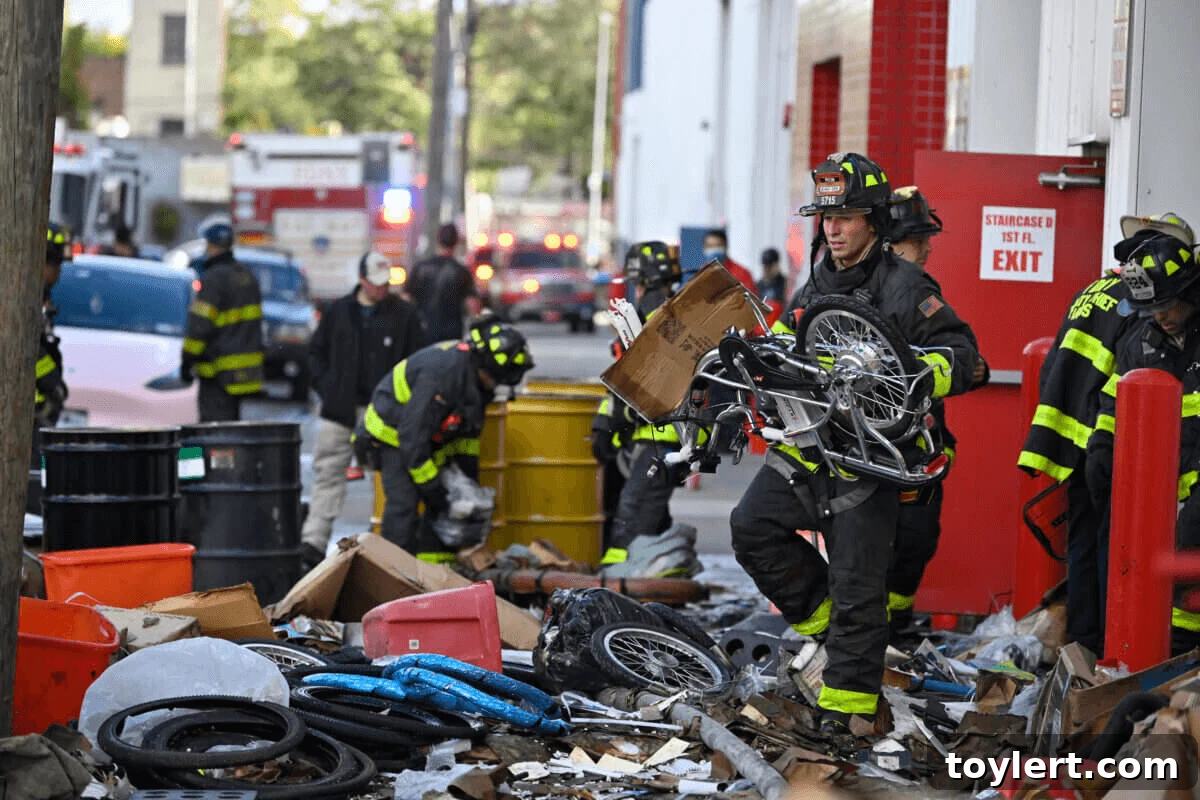
The alarm at the Stop & Store self-storage building, located at 534 63rd Street in Sunset Park, was triggered around noon on Sunday, October 22. Firefighters from the FDNY swiftly responded to the scene, initially discovering what appeared to be a contained blaze. According to FDNY Assistant Chief Michael Meyers, their preliminary investigation inside one of the storage units revealed three e-bikes engulfed in flames.
However, what began as a seemingly manageable incident quickly escalated. As fire crews advanced through the four-story building, meticulously searching upper floors and adjacent units, they made a more alarming discovery. Dozens of e-bikes and loose lithium-ion batteries were found burning fiercely within two additional storage units. The sheer volume of burning batteries and electric mobility devices amplified the hazard, prompting fire commanders to escalate the response to a three-alarm fire, calling in additional resources and personnel to combat the rapidly spreading and intensely dangerous blaze.
The unique challenges presented by lithium-ion battery fires, known for their rapid spread, extreme heat, and difficult-to-extinguish nature, immediately became apparent. These batteries can undergo a process called thermal runaway, where a faulty cell or external damage causes a chain reaction, leading to uncontrolled temperature increases, venting of toxic gases, and even explosions. This makes them particularly hazardous in confined spaces like storage units, where ventilation is limited and flammable materials are often stored nearby.
The Peril of Lithium-Ion Batteries in Storage Facilities
The Sunset Park fire brings into sharp focus the inherent risks associated with storing lithium-ion batteries, especially e-bike batteries, within self-storage facilities. These batteries are powerful energy sources, and while generally safe when manufactured correctly and used as intended, they become potential fire hazards under certain conditions. These conditions include overcharging, using incompatible chargers, physical damage, manufacturing defects, or exposure to extreme temperatures.
Self-storage units, by their very design, are often not equipped to safely house such volatile materials. They typically lack specialized fire suppression systems designed for lithium-ion fires, which require different approaches than traditional water-based systems. The confined, often windowless spaces can trap heat and toxic fumes, creating a highly dangerous environment for both the contents within and the first responders. Moreover, the proximity of multiple units means a fire in one can quickly spread, exacerbating the scale of destruction and risk.
Many storage facilities operate under broad guidelines that may not specifically address the nuanced dangers of lithium-ion batteries. This oversight can lead to owners unknowingly storing damaged batteries, uncertified aftermarket batteries, or simply an excessive quantity of them, creating a ticking time bomb. The rapid proliferation of e-bikes and other personal mobility devices means that more and more of these batteries are entering circulation, and consequently, ending up in various storage solutions, often without adequate safety protocols in place.
FDNY’s Challenging Battle and the Toll on Firefighters
Battling a three-alarm fire fueled by lithium-ion batteries is an exceptionally demanding task for firefighters. The characteristic of these fires — intense heat generation, the release of highly toxic and corrosive gases, and the potential for re-ignition even after initial suppression — presents a complex and perilous scenario. Firefighters must wear specialized breathing apparatus and employ unique tactics to cool the batteries and prevent thermal runaway from reigniting the blaze, often requiring a significant amount of water and specialized extinguishing agents.
In the Sunset Park incident, the immense challenges were compounded by the building’s structure and the location of the fire within multiple storage units. Responding firefighters faced reduced visibility, treacherous conditions, and the constant threat of exploding cells. Tragically, one firefighter sustained injuries during the operation, highlighting the severe risks emergency personnel face when confronting these modern hazards. The FDNY has been at the forefront of warning the public about the dangers of lithium-ion batteries, issuing numerous safety alerts and advocating for stricter regulations following a significant rise in battery-related fires across New York City.
Broader Implications for Urban Safety and E-Mobility
The Sunset Park fire is not an isolated incident but rather a symptom of a larger urban safety challenge driven by the rapid adoption of e-mobility. E-bikes and e-scooters offer convenient and eco-friendly transportation, but their underlying power source — lithium-ion batteries — poses an increasing threat when safety standards are compromised or ignored. New York City, in particular, has seen a dramatic surge in e-bike usage, leading to a corresponding increase in battery fires in residences, commercial establishments, and now, storage facilities.
A significant part of the problem stems from the unregulated market for aftermarket batteries and chargers. Many consumers, seeking more affordable options or replacements, may unknowingly purchase uncertified or counterfeit batteries that do not meet rigorous safety standards. These substandard products are far more prone to defects, overheating, and thermal runaway. Without stringent oversight and clear consumer guidance, the risk of such catastrophic fires will continue to escalate, endangering lives and properties across urban landscapes.
Preventing Future Catastrophes: Essential Safety Measures
Mitigating the risks associated with lithium-ion battery fires requires a multi-faceted approach involving manufacturers, retailers, consumers, and regulatory bodies. The lessons learned from the Sunset Park fire and similar incidents must inform proactive strategies to enhance safety and prevent future tragedies.
For E-Bike and E-Scooter Owners:
- Use Original or Certified Chargers: Always use the charger specifically designed for your device or a certified, reputable aftermarket charger. Avoid cheap, unbranded alternatives.
- Avoid Overcharging: Do not leave batteries charging unattended for extended periods, especially overnight. Unplug devices once fully charged.
- Inspect for Damage: Regularly check your battery for any signs of damage, such as swelling, punctures, or strange odors. If you notice damage, discontinue use immediately.
- Proper Storage: Store batteries in a cool, dry place away from direct sunlight, heat sources, and flammable materials. Never store them in confined, unventilated spaces like closets or storage units not equipped for hazardous materials.
- Follow Manufacturer Guidelines: Adhere strictly to all charging, usage, and storage instructions provided by the manufacturer.
- Safe Disposal: Never dispose of lithium-ion batteries in regular trash. Take them to designated battery recycling centers.
For Storage Facilities and Property Managers:
- Implement Clear Policies: Establish and clearly communicate policies regarding the storage of hazardous materials, including lithium-ion batteries. Consider prohibiting their storage if safety measures cannot be adequately met.
- Enhanced Fire Detection and Suppression: Invest in advanced fire detection systems capable of identifying early signs of battery fires and specialized suppression systems (e.g., inert gas systems, foam) where permitted and feasible.
- Staff Training: Train staff on identifying potential hazards, understanding battery safety, and emergency response protocols.
- Improved Ventilation: Ensure proper ventilation in storage areas to prevent heat buildup, especially where such devices might be present.
For Regulators and Manufacturers:
- Stricter Safety Standards: Enforce and update rigorous safety standards for all lithium-ion batteries and charging systems sold in the market.
- Mandatory Certification: Implement mandatory third-party certification for e-bike batteries and chargers to ensure compliance with safety regulations.
- Public Education Campaigns: Launch comprehensive public awareness campaigns to educate consumers about the risks of uncertified batteries and safe usage practices.
- Track and Recall: Establish robust systems for tracking defective products and facilitating swift recalls.
Conclusion: A Call for Collective Responsibility in E-Mobility Safety
The three-alarm fire at the Sunset Park self-storage facility serves as a critical warning and a powerful catalyst for change. As our cities increasingly embrace electric mobility, the onus is on everyone – from manufacturers and retailers to consumers and policymakers – to prioritize safety. The injury sustained by a dedicated firefighter is a solemn reminder of the human cost when these dangers are overlooked. By collectively adopting stringent safety measures, fostering greater awareness, and enforcing robust regulations, we can harness the benefits of e-bikes and lithium-ion technology without compromising the safety of our communities.