Discovering Brooklyn’s Architectural Jewels: The Historic Row Houses of Putnam Street
Brooklyn, one building at a time – a philosophy that encapsulates the rich tapestry of history, design, and community etched into every street and structure of this iconic borough. Each brick, every ornate detail, tells a compelling story of urban evolution and enduring charm. This comprehensive exploration focuses on a magnificent stretch of residences, specifically the captivating row houses located at 700-718 Putnam Street. These buildings are more than just homes; they are quintessential examples of Brooklyn’s architectural heritage, standing as proud sentinels of a bygone era yet vibrantly alive in the modern urban landscape.
The allure of Brooklyn’s row houses, often lovingly referred to as brownstones, is legendary. They embody a unique blend of historical significance, aesthetic beauty, and robust construction that continues to captivate residents and enthusiasts alike. The properties along Putnam Street are prime specimens, contributing immensely to the visual harmony and historical integrity of their esteemed neighborhood, offering a window into the borough’s storied past.
A Journey Through Time: The Genesis of Putnam Street’s Row Houses
Brooklyn’s Golden Age of Development
The latter half of the 19th century marked a transformative period for Brooklyn. Propelled by industrial expansion, a surge in immigration, and the burgeoning desire for more spacious and gracious living environments away from the dense confines of Manhattan, the borough experienced an unprecedented building boom. Visionary urban planners and ambitious developers carved out new streets and residential districts, laying the groundwork for the picturesque neighborhoods we admire today. This era was characterized by a fervent commitment to creating architecturally distinguished homes that would appeal to the rapidly expanding middle class, including merchants, professionals, and skilled artisans who sought both comfort and prestige.
The Birth of a Block: 700-718 Putnam Street
The specific block encompassing 700-718 Putnam Street likely emerged from this fervent period of development, with most of these homes dating from the late 1800s to the early 1900s. Nestled within what is broadly known as Bedford-Stuyvesant or Stuyvesant Heights, an area celebrated for its extensive collection of Victorian-era architecture, these houses perfectly exemplify the aesthetic and construction principles of their time. Developers would often acquire large plots of land, subdividing them into narrow, deep lots. On these lots, contiguous houses were erected, designed to present a unified streetscape while still allowing for individual architectural flourishes. Each home on Putnam Street, while part of a cohesive row, possesses unique details that speak to the specific builder’s craft or the prevailing design sensibilities of the year it was completed.
Architectural Grandeur: A Tapestry of Styles
Unveiling the Facades: A Palette of Victorian Influences
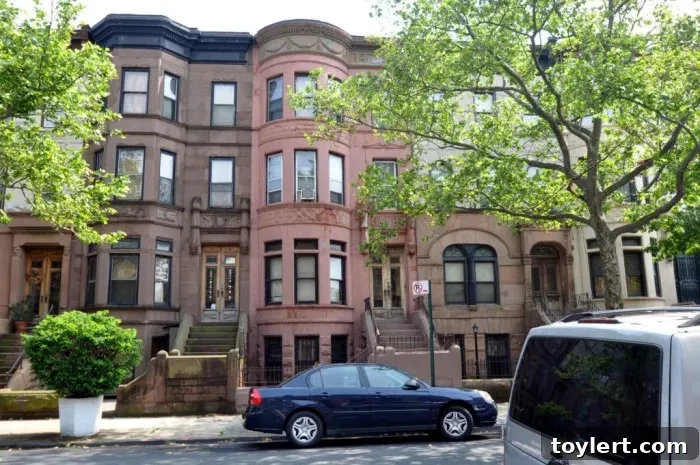
The row houses of Putnam Street showcase a fascinating blend of architectural styles prevalent during their construction. While identifying a single style for an entire block can be challenging without specific historical records, it’s common to observe a harmonious interplay of influences such as Romanesque Revival, Neo-Grec, Queen Anne, and even late Italianate elements. What truly defines the iconic “Brooklyn look” is often the material itself: brownstone. This reddish-brown sandstone, quarried extensively in New Jersey and Connecticut, became the material of choice for its durability, workability, and distinctive warm hue, lending a timeless elegance to countless facades across the borough.
Victorian architecture, broadly speaking, emphasized variety, intricate ornamentation, and a departure from the strict classical symmetry of earlier periods. On Putnam Street, this translates into facades that, while part of a continuous line, often feature unique window treatments, diverse cornice designs, and varying degrees of decorative carving. Romanesque Revival elements might be seen in robust masonry and rounded arch windows or doorways, while Neo-Grec influences introduce more geometric forms and incised ornamentation. Queen Anne features could manifest in turrets, varied wall textures, or projecting bay windows, adding a dynamic quality to the streetscape. Italianate designs often presented with tall, narrow windows and elaborate cornices with heavy brackets, contributing to an overall sense of verticality and grandeur.
Iconic Features: The Hallmarks of Brooklyn’s Row Houses
The row houses at 700-718 Putnam Street, like many of their counterparts throughout Brooklyn, are distinguished by several iconic architectural features that are both functional and aesthetically pleasing:
- The Grand Stoop: Perhaps the most recognizable feature, these elevated stone staircases lead from the sidewalk to the main parlor floor. They served multiple purposes: elevating the principal living spaces above the street for privacy and flood protection, and symbolically conveying status. Today, they remain a beloved space for socializing and observing neighborhood life.
- Projecting Bay Windows: These elegant additions extend outwards from the main wall, often spanning multiple stories. They not only enhance the exterior’s visual appeal, breaking the monotony of a flat facade, but also dramatically increase natural light within the interiors, offering expansive views of the tree-lined street.
- Ornate Cornices: Capping the top of each building, the cornices are often highly decorative, featuring intricate patterns, dentil molding, and elaborate projections. They serve as a crowning glory, adding a finishing touch of architectural refinement and often indicating the period and style of construction.
- Detailed Doorways and Windows: Entryways are frequently embellished with carved stone surrounds, transom windows (above the door), and sidelights (windows flanking the door), creating a welcoming yet stately entrance. The windows often retain their original multi-pane sashes and sometimes even wooden shutters, contributing significantly to the historical authenticity and charm of the homes.
- Exquisite Ironwork: From delicate stoop railings to intricate garden fences, the cast-iron details are another testament to the craftsmanship of the era. These elements not only provide security but also add a layer of decorative artistry, complementing the stone and brickwork.
Inside the Walls: A Glimpse into Historic Interiors
Stepping inside a row house on Putnam Street is often like stepping back in time, while simultaneously experiencing modern comfort. These homes are renowned for their generously proportioned interiors, typically boasting high ceilings that create an immediate sense of spaciousness and grandeur. Original architectural details are often meticulously preserved, including gleaming hardwood floors, intricate plaster moldings, and ceiling medallions that once framed grand chandeliers.
The typical layout usually features a parlor floor, often the most formal space, designed for entertaining guests. Below this, the garden level houses a more casual living area, often with the kitchen and dining room, providing direct access to a private backyard garden. The upper floors are traditionally dedicated to bedrooms, offering ample space for families. Original pocket doors, a hallmark of Victorian design, allow for flexible open-plan living or private enclosed rooms, while multiple fireplaces with beautifully carved marble or wooden mantels serve as focal points in many rooms, even if they are no longer operational for heating. The occasional discovery of original stained glass windows further adds to the irreplaceable charm and character of these cherished homes.
Putnam Street Today: Community, Culture, and Charm
A Vibrant Neighborhood Hub
Beyond their architectural magnificence, the row houses of Putnam Street are intrinsic to the vibrant social and cultural fabric of their surrounding neighborhood. They foster a palpable sense of continuity and belonging, seamlessly connecting past generations with present-day residents. The tree-lined streets, meticulously maintained front gardens, and the shared architectural language create an inherently inviting and picturesque atmosphere. This environment actively encourages street life, neighborly interactions, and a strong community bond. This specific block, much like many others throughout Brooklyn, functions as a thriving microcosm where historical reverence harmoniously coexists with dynamic contemporary urban living.
Preserving Legacy, Embracing Modernity
The remarkable revitalization experienced by many Brooklyn neighborhoods over recent decades has brought a renewed spotlight and significant investment to these historic homes. Owners of properties like those on Putnam Street often embark on painstaking renovation and restoration projects. Their dedication lies in the delicate art of meticulously restoring original architectural details—such as cornices, moldings, and flooring—while simultaneously integrating essential modern amenities. This careful balance ensures that heating, ventilation, air conditioning (HVAC) systems, plumbing, and electrical wiring are updated to 21st-century standards, providing comfort and efficiency without compromising the building’s historical integrity. This ongoing commitment to preservation ensures that these invaluable architectural assets are safeguarded for future generations, allowing them to thrive as functional and beautiful residences.
The Enduring Legacy and Investment Appeal
More Than Just Property: A Slice of History
The sustained desirability of Brooklyn row houses, particularly those situated on beautifully preserved blocks like Putnam Street, speaks volumes about their inherent and often increasing value. These properties represent far more than mere real estate; they are tangible pieces of New York City’s living history, cultural landmarks, and testaments to the enduring appeal of quality craftsmanship. The intrinsic beauty, spaciousness, and irreplaceable character of these homes set them apart in a competitive market. Furthermore, the limited supply of such authentic historical properties, combined with their prime locations within well-established, desirable neighborhoods, contributes significantly to their robust market value and appreciation potential over time.
A Prudent Investment in Brooklyn’s Future
For prospective homeowners, acquiring a row house on Putnam Street signifies more than just a property transaction; it is an investment in a distinctive lifestyle, a profound connection to history, and an exclusive entry into one of Brooklyn’s most charming and sought-after residential enclaves. The palpable pride of ownership among residents of these architecturally significant homes is a testament to their unique status. Owners become dedicated stewards of a distinct urban legacy, contributing to the ongoing narrative of a neighborhood that gracefully blends its rich past with a vibrant, forward-looking present. These homes offer a unique opportunity to live within a piece of history while enjoying all the conveniences and cultural richness of modern Brooklyn life.
Conclusion: The Unfolding Story of Brooklyn’s Enduring Row Houses
The compelling story of 700-718 Putnam Street is emblematic of Brooklyn’s broader and continuous narrative: a dynamic evolution where cherished tradition and progressive innovation seamlessly coexist. These magnificent row houses serve as powerful, tangible reminders of the borough’s extraordinary architectural heritage and underscore the critical importance of preserving these irreplaceable assets. They stand not merely as buildings, but as eloquent testaments to the masterful craftsmanship of yesteryear, continuing to inspire awe and admiration from all who encounter their timeless beauty.
As Brooklyn continues its remarkable journey of growth and redefinition, blocks like Putnam Street remain steadfast anchors, providing an invaluable link to its storied past. They offer an unparalleled fusion of historic charm, undeniable architectural splendor, and a vibrant community spirit, making them truly exceptional within the bustling metropolis. Exploring these distinguished buildings, one at a time, allows us to deeply appreciate the intricate details and the grand vision that have collectively shaped Brooklyn into the iconic and beloved borough it is today.
Name: Historic Row Houses, 700-718 Putnam Street, Brooklyn