Unveiling Little Neck & Douglaston: Matinecock Heritage and America’s Largest Memorial Day Parade in Queens
A Journey Through History, Culture, and Community Spirit in Northeast Queens
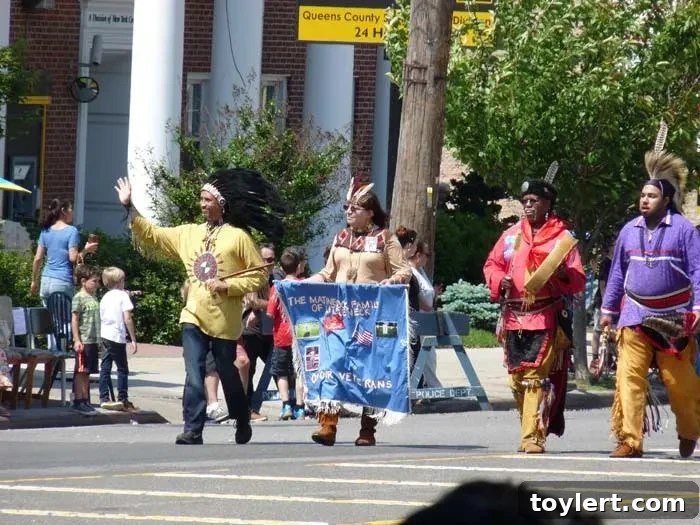
Nestled in the picturesque northeastern corner of Queens, New York City, the neighborhoods of Little Neck and Douglaston stand as living testaments to a rich tapestry of history, culture, and unwavering community spirit. Far from being mere urban enclaves, these areas boast a unique identity shaped by centuries of human stories, from their indigenous origins to their present-day vibrancy. At the heart of their compelling narrative lies the enduring legacy of the Matinecock Native American tribe, whose descendants continue to thrive in the very lands their ancestors once stewarded, and whose presence is proudly celebrated in one of the nation’s most cherished annual events: the Little Neck-Douglaston Memorial Day Parade.
The story of Little Neck, in particular, begins long before the arrival of European settlers. It was, for generations, the ancestral home of the Matinecock people, a prominent Algonquian-speaking tribe who flourished along the northern shores of Long Island. Their deep connection to the land and waterways – hunting, fishing, and cultivating crops – shaped the ecological landscape and cultural fabric of what we now know as Queens. Today, many descendants of this resilient tribe continue to reside in Little Neck, maintaining a vital link to their heritage and actively participating in the community’s modern life. Their story is not one relegated to history books but is a vibrant, ongoing narrative woven into the very fabric of these neighborhoods.
The Enduring Legacy of the Matinecock Native American Tribe in Queens
The Matinecock, whose name is believed to mean “at the land of the shell,” were part of the larger Lenape (Delaware) linguistic group and occupied a significant territory spanning from what is now Flushing Bay eastwards to Smithtown and south to the Hempstead Plains. Their societal structure was complex, based on clans and guided by sachems (chiefs), who were respected leaders. Their daily lives were intimately connected with the abundant natural resources of the region: they fished the bountiful waters of Little Neck Bay and Long Island Sound for clams, oysters, and various fish species; they hunted deer, bear, and smaller game in the dense forests; and they cultivated maize, beans, and squash, forming a sustainable agricultural system that supported their communities for centuries.
The arrival of Dutch and later English colonists in the 17th century dramatically altered the Matinecock way of life. Land transactions, often misunderstood or exploited, gradually led to the displacement of the Matinecock from much of their ancestral territory. Despite these immense pressures and challenges, including disease and cultural assimilation attempts, the Matinecock people demonstrated remarkable resilience. They adapted, persevered, and, crucially, maintained their identity and community bonds. Their history is a powerful reminder of the profound impact of colonial expansion and the enduring strength of indigenous cultures, a strength that continues to resonate in Queens today.
Today, the Matinecock Nation actively works to preserve its heritage, language, and traditions. Their presence in Little Neck is a poignant and vital reminder of the area’s original inhabitants, highlighting a continuous cultural thread that predates colonial settlement. When a contingent of Matinecock descendants proudly marches in the Little Neck-Douglaston Memorial Day Parade, as captured in the image above, it is far more than just a ceremonial act. It is a profound declaration of survival, a testament to their unbroken lineage, and a powerful educational moment for all who witness it, connecting the present-day community directly to its foundational history. This participation underscores their rightful place within the diverse cultural mosaic of Queens and their continued contribution to its unique character, ensuring their stories and legacy are recognized and honored.
America’s Largest: The Little Neck-Douglaston Memorial Day Parade
Beyond its deep historical roots, Little Neck and Douglaston are perhaps most widely known for hosting the largest Memorial Day Parade in the United States. This monumental event, which proudly celebrated its 88th year this past Memorial Day, is not just a parade; it is a profound annual pilgrimage of remembrance, gratitude, and community solidarity. Drawing tens of thousands of spectators and participants from across the city and beyond, it stands as a shining example of patriotic observance and civic engagement, a true cornerstone of Queens’ community life.
A Tradition of Honor and Remembrance
The origins of the Little Neck-Douglaston Memorial Day Parade date back to 1927 when local veterans, many of whom served in World War I, sought a dignified way to honor their fallen comrades and preserve the memory of their sacrifices. What began as a local procession has, over the decades, grown into an unparalleled spectacle. Its consistent growth and enduring popularity speak volumes about the deep respect for military service and the powerful sense of community that defines these neighborhoods, making it a must-see event in New York City.
The parade route, spanning several miles through the heart of both Little Neck and Douglaston, becomes a vibrant tableau of American patriotism. Spectators line the streets, waving flags and cheering on the diverse array of participants. Marching bands fill the air with rousing melodies, veteran organizations proudly display their banners, local schools and youth groups showcase their spirit, and community organizations demonstrate their commitment to civic life. Emergency services personnel, firefighters, and police officers also march, representing the everyday heroes who protect our communities, all contributing to the grandeur of this significant event.
The Matinecock’s Symbolic Presence
The inclusion of the Matinecock contingent is a particularly moving aspect of the parade. Their march is a powerful, visual representation of the continuous thread of history that runs through these lands. It reminds us that patriotism and community pride are multifaceted, encompassing not only recent historical sacrifices but also the ancient heritage of the land’s original inhabitants. This powerful symbolism enriches the parade, offering a holistic view of American history and the diverse communities that shape it, fostering a deeper understanding of our shared past.
The parade serves multiple crucial functions: it provides a vital platform for honoring the men and women who have served and continue to serve in the United States Armed Forces, ensuring that their bravery and sacrifices are never forgotten. It also fosters a profound sense of unity and shared purpose among residents. Generations gather along the sidewalks, children learning from their elders the importance of remembrance and gratitude. This annual event is a cornerstone of the community calendar, cementing Little Neck and Douglaston’s reputation not just for their scenic beauty but also for their profound commitment to civic values and their ability to bring a diverse population together in shared celebration and respect.
Little Neck and Douglaston: Quintessential Queens Neighborhoods
Beyond their historical significance and celebrated parade, Little Neck and Douglaston offer residents and visitors an exceptional quality of life, blending suburban tranquility with convenient access to urban amenities. These neighborhoods are characterized by their tree-lined streets, elegant homes, and proximity to the tranquil waters of Little Neck Bay, providing stunning waterfront views and recreational opportunities. The architectural styles range from charming Victorians to stately Colonials and contemporary residences, reflecting a rich historical evolution and diverse aesthetic that appeals to a wide range of tastes.
Natural Beauty and Outdoor Recreation
The natural beauty of the area is a significant draw. Parks such as Alley Pond Park, one of New York City’s largest urban parks, are easily accessible, offering extensive trails for hiking and biking, birdwatching opportunities, and environmental education programs. Little Neck Bay itself provides avenues for boating, kayaking, and enjoying breathtaking sunsets, making it a paradise for outdoor enthusiasts. This abundance of green space and waterfront access contributes significantly to the peaceful, idyllic atmosphere that defines these neighborhoods, making them a haven for those seeking a respite from the city’s hustle and bustle without sacrificing accessibility to metropolitan conveniences.
Vibrant Community Life and Amenities
The community spirit in Little Neck and Douglaston is palpable year-round, extending far beyond the Memorial Day Parade. Local civic associations, cultural groups, and active parent-teacher organizations ensure a calendar full of events and initiatives that foster strong bonds among residents. The areas boast excellent schools, both public and private, making them highly desirable for families seeking quality education. Charming local businesses, from quaint cafes to family-owned restaurants and specialized boutiques, dot Northern Boulevard and other main thoroughfares, providing essential services and contributing to the unique character of the commercial districts, supporting local entrepreneurship and community vibrancy.
Moreover, the cultural diversity within these neighborhoods mirrors that of Queens itself. Residents hail from various backgrounds, contributing to a rich mosaic of traditions, cuisines, and perspectives. This multicultural fabric enriches the daily life, bringing a dynamic global flavor to these historically significant areas, making them truly representative of the “World’s Borough.”
Connecting Past, Present, and Future in Queens
The narratives of the Matinecock tribe, the solemnity of the Memorial Day Parade, and the vibrant community life of Little Neck and Douglaston are not isolated stories; they are deeply interconnected threads that weave together the compelling tapestry of these Queens neighborhoods. They exemplify how historical roots can inform and enrich contemporary identity, how remembrance can foster unity, and how diverse communities can thrive while honoring their shared heritage, creating a unique sense of place that is both ancient and modern.
These neighborhoods stand as a powerful reminder of the importance of recognizing indigenous history, celebrating civic traditions, and nurturing local community spirit. From the ancient paths walked by the Matinecock to the modern avenues filled with parade-goers, Little Neck and Douglaston offer a profound experience – a place where the echoes of the past resonate clearly in the vibrant pulse of the present, shaping a promising future for all who call it home or visit its historic streets. They are a testament to the enduring power of community and the rich, layered history that defines New York City.