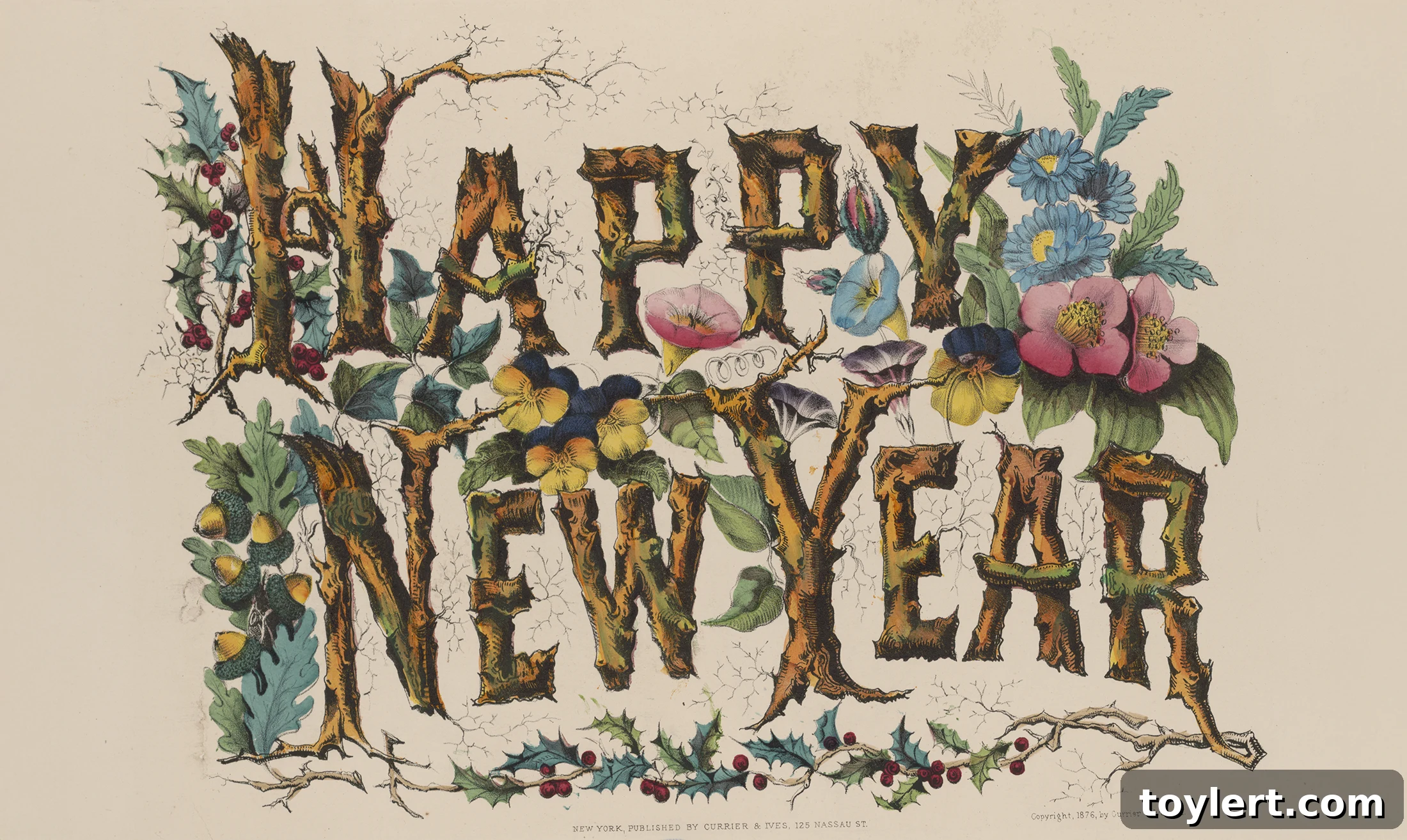
A Century of Sparkle: Unveiling Brooklyn’s Enduring New Year’s Eve Traditions
As the final seconds of December 31st tick away, ushering in the stroke of midnight on January 1st, a universal wave of anticipation, reflection, and celebration sweeps across the globe. For centuries, this pivotal moment, marking the transition from the old to the new year, has been observed with music, dazzling fireworks, joyous noise makers, vibrant parties, and the symbolic kiss. And in the heart of New York City, the borough of Brooklyn has long embraced this festive spirit, developing its own rich tapestry of traditions that beautifully blend history, community, and an undeniable sense of optimism.
Brooklyn, a melting pot of cultures and a borough steeped in history, offers a unique lens through which to explore the evolution of New Year’s celebrations. From quiet, intimate gatherings in brownstone homes to spectacular public displays that draw thousands, the way Brooklynites have welcomed the new year has mirrored the borough’s own dynamic growth and transformation. This comprehensive look delves into the fascinating journey of Brooklyn’s New Year’s Eve traditions, highlighting how they have evolved while retaining a cherished core of communal joy and hopeful anticipation.
The Dawn of a New Year: Early Brooklyn Traditions (19th Century)
In the 19th century, Brooklyn was a rapidly growing city, distinct from Manhattan, with its own burgeoning sense of identity. New Year’s Day was, in many ways, more significant than New Year’s Eve. The customs of the era often revolved around genteel social calls and community solidarity.
The Tradition of New Year’s Day Calls
One of the most prominent traditions was the “New Year’s Day Call,” a practice brought over by Dutch settlers and widely adopted. Gentlemen would don their finest attire and visit the homes of friends, relatives, and acquaintances to extend greetings for the new year. Hostesses would prepare an array of refreshments, from cakes and pastries to mulled wine and punches, creating a festive, open-house atmosphere. This tradition fostered strong community bonds and served as a crucial social ritual, allowing people to reconnect and reaffirm their relationships after the holiday season.
These calls were meticulously planned, with gentlemen often visiting dozens of homes throughout the day. Carriages would line the snow-dusted streets of Brooklyn Heights, Clinton Hill, and Fort Greene, as elegantly dressed residents moved from one doorstep to another. For the women of the house, it was an opportunity to showcase their hospitality and social standing, with tables laden with culinary delights. The day was less about boisterous revelry and more about refined social interaction, a stark contrast to some of today’s more energetic celebrations.
Church Services and Family Gatherings
Religious observance also played a central role. Many Brooklynites would attend Watch Night services on New Year’s Eve, praying for blessings in the coming year and reflecting on the one past. New Year’s Day often began with morning church services, reinforcing the spiritual significance of the occasion. Families would gather for special meals, often featuring traditional dishes passed down through generations. These were intimate affairs, filled with storytelling, shared memories, and the quiet comfort of loved ones.
While fireworks and grand public spectacles were not yet the norm, the sounds of church bells ringing at midnight and the occasional firing of muskets or small cannons by local militia groups would mark the transition. The focus remained largely on personal connections and community well-being, setting a foundation for the celebrations to come.
Embracing Modernity: Early 20th Century Transformations
As Brooklyn entered the 20th century, the borough continued its explosive growth, eventually consolidating with New York City. This era saw a gradual shift from private, daytime social calls to more public, nighttime festivities, reflecting broader societal changes and the influence of industrialization and urbanization.
The Rise of Public Spectacles
The dawn of the 20th century brought an increased appetite for public entertainment. While Times Square in Manhattan began to solidify its reputation as the epicenter of New Year’s Eve celebrations, Brooklynites found their own ways to celebrate on a grander scale. Local parks and prominent avenues became gathering points, though organized fireworks displays were still relatively nascent compared to today’s pyrotechnic marvels. Instead, spontaneous gatherings, car horns, and the general clamor of a bustling city would signify the new year.
Dancing became a popular pastime, with dance halls and hotel ballrooms across Brooklyn hosting elaborate New Year’s Eve galas. These events offered music, dancing, and a lively atmosphere, allowing residents to dress up and celebrate in style. The emphasis began to shift towards communal merriment, away from the more formal calls of the previous century.
Prohibition and Underground Celebrations
The Prohibition era (1920-1933) introduced a unique dynamic to New Year’s Eve celebrations. While public sale and consumption of alcohol were banned, speakeasies and private parties thrived in Brooklyn. Many establishments, from legitimate-looking businesses to clandestine cellars, would host discreet but lively New Year’s Eve gatherings. These secret celebrations added an adventurous, almost rebellious, layer to the festivities, as Brooklynites found innovative ways to skirt the law and toast the new year with forbidden spirits.
The sense of shared transgression often forged stronger bonds among attendees, making these New Year’s Eve parties particularly memorable. Despite the legal constraints, the spirit of celebration in Brooklyn remained undimmed, showcasing the borough’s resilience and its residents’ determination to enjoy the holidays.
Post-War Boom and Mid-Century Festivities
The mid-20th century, particularly after World War II, saw Brooklyn evolve dramatically. The post-war economic boom and the rise of television began to shape how people celebrated, blending established traditions with new forms of entertainment.
Family Gatherings and Neighborhood Parties
While public events grew, the heart of Brooklyn’s New Year’s celebrations remained firmly rooted in family and neighborhood. Many families hosted open houses, inviting neighbors and friends to informal gatherings. These parties often featured homemade food, parlor games, and countdowns to midnight on the radio or, later, television, watching the famous Times Square ball drop from the comfort of their homes.
Neighborhood block parties, particularly in close-knit communities, would also emerge, with residents spilling out onto stoops and sidewalks to share toasts and good wishes. This era cemented the idea of New Year’s Eve as a time for genuine connection and shared hopes, reinforcing the strong community spirit for which Brooklyn is renowned.
Coney Island’s Allure and Local Entertainment
Coney Island, Brooklyn’s iconic amusement district, occasionally offered its own unique New Year’s Eve experiences, though perhaps not as consistently as its summer attractions. Local theaters, cinemas, and music venues across the borough would also host special New Year’s Eve shows and screenings, providing entertainment options for those looking for a night out without venturing into Manhattan.
The sounds of jazz clubs and supper clubs across Brooklyn’s diverse neighborhoods would fill the air, offering a sophisticated backdrop for welcoming the new year. These localized celebrations allowed Brooklynites to celebrate within their own vibrant communities, catering to a wide array of tastes and preferences.
Brooklyn’s Contemporary New Year’s Eve: A Kaleidoscope of Celebrations
Today, Brooklyn stands as a global cultural powerhouse, and its New Year’s Eve celebrations are as diverse and dynamic as its population. The borough offers a spectacular array of options, from grand public spectacles to intimate neighborhood gatherings, all infused with that distinctive Brooklyn flair.
Prospect Park and Grand Army Plaza
One of the most beloved and iconic New Year’s Eve events in Brooklyn takes place at Grand Army Plaza and Prospect Park. Each year, thousands gather to witness a breathtaking fireworks display launched from within Prospect Park. This free, family-friendly event often features live music performances and draws crowds from across the borough and beyond. The stunning backdrop of the Soldiers’ and Sailors’ Arch, combined with the festive atmosphere, makes it a truly memorable experience for all ages.
The event embodies Brooklyn’s commitment to providing accessible, high-quality public entertainment, fostering a sense of shared joy and collective anticipation for the year ahead. It’s a modern echo of the community gatherings of yesteryear, scaled up for a contemporary audience.
Brooklyn Bridge Park and Waterfront Views
For those seeking spectacular views of the Manhattan skyline and the fireworks over New York Harbor, Brooklyn Bridge Park offers an unparalleled vantage point. While not an official fireworks launching site, its panoramic views of the city’s displays make it a highly sought-after location. Restaurants and venues along the Dumbo waterfront also host special New Year’s Eve dinners and parties, combining gourmet dining with incredible scenery.
Watching the myriad of lights reflect off the East River as the fireworks explode above is a truly magical experience, showcasing Brooklyn’s unique relationship with the iconic cityscape.
Neighborhood Revelry and Local Gems
Beyond the major public events, Brooklyn’s neighborhoods come alive with their own unique celebrations. From the lively streets of Williamsburg and Bushwick, with their trendy bars and music venues hosting all-night parties, to the more subdued and family-oriented gatherings in Park Slope and Bay Ridge, there’s something for everyone.
Many local restaurants offer special multi-course New Year’s Eve menus, providing a culinary journey to ring in the new year. Community centers often organize events for children, ensuring that the younger generation also gets to partake in the festive spirit. The diversity of Brooklyn means that whether one desires an energetic dance party, a quiet dinner, or a cozy gathering with friends, the perfect New Year’s Eve experience is always within reach.
The Enduring Spirit of Brooklyn
From the formal social calls of the 19th century to the dazzling fireworks and diverse parties of today, Brooklyn’s New Year’s Eve traditions reflect a continuous thread of hope, community, and celebration. The borough has consistently adapted its festivities to the times, always finding ways to mark the passage of another year with a distinct blend of historical reverence and forward-looking optimism.
What remains constant is the heart of Brooklyn itself: a vibrant, welcoming community that understands the importance of coming together, reflecting on the past, and embracing the future with open arms. As the clock strikes midnight each year, Brooklynites continue to embody this enduring spirit, ensuring that the magic of New Year’s Eve remains a cherished and evolving chapter in the borough’s rich history.