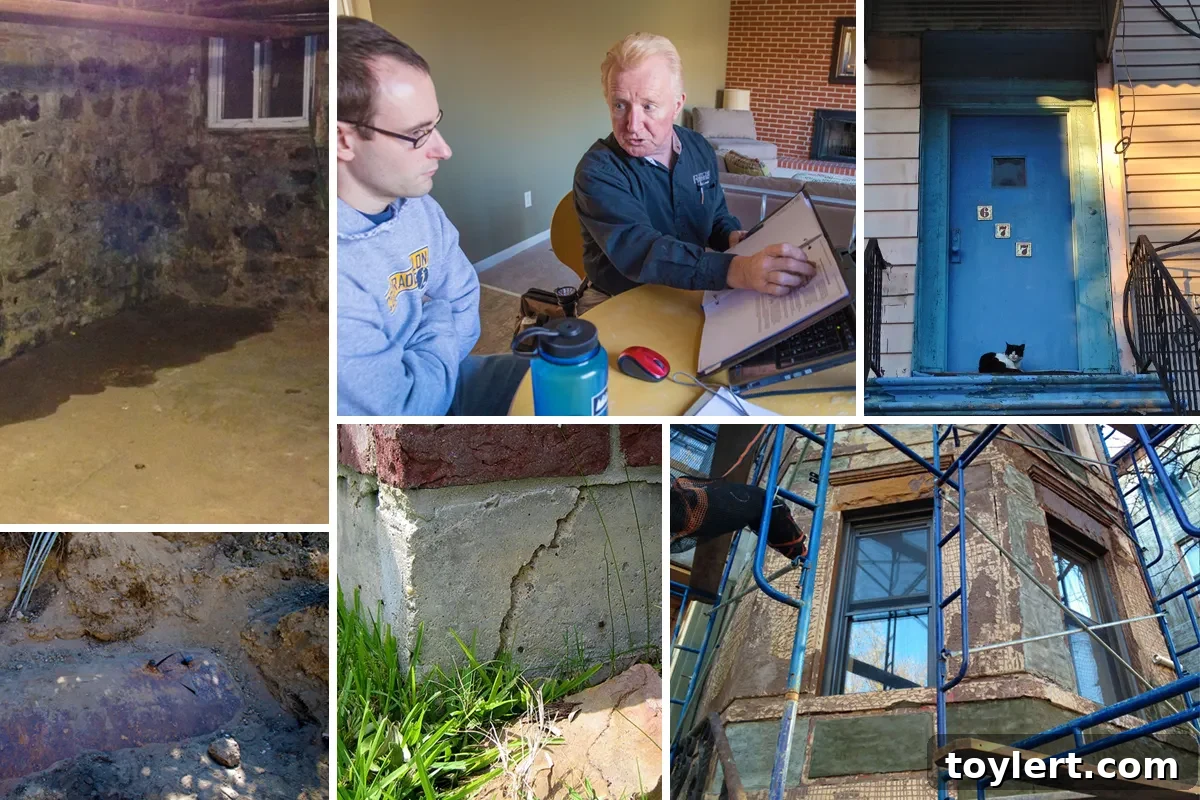
Home Inspection Deal Breakers: Navigating Critical Issues When Buying Your Dream Home
The journey to finding a dream home is often filled with excitement, anticipation, and meticulous planning. For one family eyeing a charming property in Crown Heights, their dream was abruptly paused just five minutes into a crucial home inspection. The inspector, a seasoned professional, quickly uncovered a gas leak emanating from the cellar—or more accurately, a cramped crawl space—and immediately ordered everyone to evacuate the premises. Such a discovery would send chills down any prospective buyer’s spine, prompting an immediate question: Is this a definitive deal breaker?
You might be surprised by the answer. While a gas leak is undeniably serious and warrants immediate attention, the world of real estate deal breakers is far more nuanced than a single alarming discovery. What one buyer considers a reason to walk away, another might see as a solvable problem, a negotiation point, or even a minor hurdle on the path to their perfect home. This comprehensive guide will delve into the critical role of home inspections, help you identify potential deal breakers, and equip you with the knowledge to make informed decisions during your home-buying process.
The Indispensable Role of a Home Inspection
A home inspection is more than just a walkthrough; it’s a non-invasive visual examination of a residential property, intended to identify observed material defects within specific components and systems. Conducted by a qualified inspector, it provides an objective, professional evaluation of the physical condition of the property. This process is crucial for buyers because it uncovers potential issues that may not be apparent during a casual viewing, protecting you from unforeseen expenses and major headaches down the road.
What Does a Home Inspector Evaluate?
Inspectors meticulously examine various components of a house, including:
- Structural Components: Foundation, floors, walls, ceilings, roof structure.
- Exterior: Siding, trim, windows, doors, driveways, walkways, grading.
- Roofing: Shingles, flashing, gutters, downspouts.
- Plumbing: Water supply, drain, waste, and vent systems, water heater, fixtures.
- Electrical: Service entrance, panel, wiring, outlets, switches.
- Heating, Ventilation, and Air Conditioning (HVAC): Heating and cooling systems, ductwork, vents.
- Interior: Walls, ceilings, floors, doors, windows, fireplaces, stairs.
- Insulation and Ventilation: In attics, walls, crawl spaces.
- Attached Garages: Garage doors, automatic openers.
The resulting inspection report details the findings, often with photographs, explaining the condition of each component and recommending necessary repairs or further evaluation by specialists. This report becomes a powerful tool in your hands, influencing your decision to proceed with the purchase, renegotiate the price, or ultimately, walk away.
Understanding “Deal Breakers” in Real Estate
A deal breaker is any issue discovered during the home inspection that is so significant it makes you reconsider or even abandon the purchase. For some, it might be a severe structural problem; for others, an outdated kitchen could be enough. The “gas leak” in Crown Heights, while alarming, might be a repairable issue if the sellers are willing to fix it or offer a credit. The key is to distinguish between major structural or system failures that pose significant safety risks or require exorbitant repairs, and cosmetic or minor maintenance issues that are common in any home, especially older ones.
Defining Your Personal Deal Breakers
Before you even begin house hunting, it’s wise to consider what your personal deal breakers might be. This introspection can save you time, money, and emotional stress. Ask yourself:
- What are my non-negotiables regarding safety? (e.g., active gas leaks, severe electrical hazards)
- What level of financial investment am I willing to make post-purchase for repairs?
- Are there any specific issues that would fundamentally compromise my lifestyle or peace of mind? (e.g., persistent water intrusion, major pest infestations)
- How much risk am I comfortable assuming?
Having a clear understanding of these boundaries will help you interpret the inspection report objectively and make a decision aligned with your long-term goals and financial capabilities.
Common Home Inspection Red Flags (Major Issues)
While almost anything can be repaired, some issues are so costly, complex, or dangerous that they frequently become deal breakers for prospective buyers. Understanding these common red flags can help you prepare for potential challenges.
1. Structural Integrity: Foundation, Walls, and Roof Framing
Problems with a home’s foundation are often the most expensive and critical to repair. Look out for:
- Significant Foundation Cracks: Especially horizontal cracks, stair-step cracks in brick, or signs of bowing walls, which indicate significant stress or movement.
- Uneven Floors: Can be a sign of foundation settlement or structural compromise.
- Sagging Roofline or Attic Issues: May point to compromised roof trusses or framing, potentially requiring extensive and costly repairs.
Repairing structural issues can easily run into tens of thousands of dollars, making them a common reason for buyers to walk away.
2. Critical Systems: HVAC, Plumbing, and Electrical
The primary systems of a home are vital for comfort and safety. While minor repairs are common, significant issues can be costly:
- Aging or Failing HVAC Systems: If a furnace or AC unit is at the end of its life (typically 15-20 years for AC, 20-30 for furnaces), replacement can be a hefty expense.
- Outdated or Hazardous Electrical Wiring: Issues like knob-and-tube wiring (common in older homes), undersized electrical panels, or numerous DIY wiring jobs can be safety hazards and require extensive, expensive upgrades to meet current codes.
- Major Plumbing Problems: Active leaks, corroded pipes (especially galvanized steel or polybutylene, which are prone to failure), low water pressure, or issues with the main sewer line (e.g., tree root intrusion) can lead to significant water damage and costly repairs.
A gas leak, like the one discovered in Crown Heights, falls under critical system issues. While the repair cost itself might not be astronomical, it indicates a serious safety hazard that needs immediate professional attention, and often raises questions about the overall maintenance of the property’s systems.
3. Water Damage and Moisture Problems
Water is a home’s worst enemy. Unaddressed moisture issues can lead to a cascade of problems:
- Basement or Crawl Space Flooding: Indicates poor drainage, foundation cracks, or inadequate waterproofing, potentially leading to structural damage and mold.
- Roof Leaks: Can cause damage to insulation, ceilings, and interior finishes, and foster mold growth.
- Evidence of Mold Growth: While small patches can be cleaned, extensive mold (especially black mold) can pose health risks and require professional remediation, which is costly.
- Rotting Wood: In windows, doorframes, or structural elements due to prolonged moisture exposure.
The presence of significant water intrusion suggests a larger underlying problem and can quickly become a costly deal breaker.
4. Hazardous Materials: Asbestos, Lead Paint, Radon, Mold
These hidden dangers can pose serious health risks and require specialized, often expensive, abatement:
- Asbestos: Found in older insulation, flooring, and siding. If disturbed, its fibers can be inhaled and cause serious lung diseases. Removal or encapsulation is complex.
- Lead-Based Paint: Common in homes built before 1978. Peeling or chipping lead paint is a particular hazard for children. Abatement is required in many jurisdictions for homes with children.
- Radon Gas: An odorless, colorless radioactive gas that can seep into homes from the soil and is a leading cause of lung cancer. Mitigation systems are effective but represent an additional cost.
- Extensive Mold: As mentioned, widespread mold growth, particularly after a water event, can be a major health concern and expensive to remediate properly.
5. Pest Infestations
While not structural in themselves, certain pests can cause significant damage:
- Termites or Carpenter Ants: These wood-destroying insects can compromise a home’s structural integrity over time. Evidence of active infestation or significant past damage is a major concern.
- Rodent Infestations: Beyond being unsanitary, rodents can chew through wiring, creating fire hazards, and damaging insulation.
Addressing these infestations often requires professional extermination and subsequent repairs to damaged areas.
Minor Issues vs. Major Headaches
It’s important to differentiate between issues that are truly deal breakers and those that are minor or cosmetic. A cracked window pane, a leaky faucet, an outdated appliance, or worn carpet are typically minor issues. While they add up, they are generally easily fixable and can even be used as leverage in negotiations.
Negotiating Repairs or Price Adjustments
When the inspection report reveals issues, you generally have a few options:
- Ask for Repairs: You can request the seller to repair specific items before closing.
- Request a Credit: You can ask for a monetary credit at closing to cover the cost of repairs, allowing you to manage the work yourself.
- Renegotiate the Price: You can ask for a reduction in the sale price to account for necessary repairs.
Your ability to negotiate depends on the market (buyer’s vs. seller’s), the severity of the issues, and the seller’s motivation. For serious issues, obtaining quotes from qualified contractors can strengthen your negotiation position.
When to Walk Away
Walking away from a home you’ve fallen in love with is difficult, but sometimes it’s the smartest financial and emotional decision. This typically occurs when:
- The cost of necessary repairs is exorbitant, making the home’s true value much lower than the asking price.
- The issues are so severe that they pose immediate safety risks that the seller is unwilling to address.
- The extent of the problems is unknown or too complex, requiring further invasive and costly investigations.
- The seller is unwilling to negotiate on significant issues, or their proposed solutions are inadequate.
- The issues compromise the fundamental integrity or safety of the home, and you’re not equipped or willing to undertake a major renovation project.
Remember, your inspection contingency in the purchase agreement is there to protect you. Don’t be afraid to use it if the risks outweigh the rewards.
The Emotional Aspect of Home Buying
It’s easy to get emotionally attached to a house, especially after envisioning your life within its walls. This emotional connection can sometimes cloud judgment when faced with inspection findings. It’s crucial to approach the home inspection report with a level head, relying on the objective facts presented by the inspector and consulting with your real estate agent, and if necessary, contractors or other specialists. A home is one of the largest financial investments you’ll make, so making a decision based on logic and financial prudence is paramount.
Empowering Yourself: Tips for Buyers
Being prepared and proactive can significantly improve your home inspection experience.
1. Attend the Inspection
Whenever possible, be present during the inspection. This allows you to observe the inspector at work, ask questions on the spot, and gain a clearer understanding of the issues as they are discovered. Seeing the problems firsthand can help you gauge their severity better than just reading about them in a report.
2. Ask Questions
Don’t hesitate to ask your inspector for clarification on anything you don’t understand. A good inspector will explain their findings clearly, providing context and potential implications.
3. Get Multiple Quotes for Major Repairs
If significant issues are identified, don’t rely solely on the inspector’s estimate (if they provide one). Get at least two to three quotes from qualified, licensed contractors to understand the true cost of repairs. This information will be invaluable for negotiation.
4. Understand the Report Thoroughly
Read the entire inspection report carefully, paying close attention to sections detailing significant defects or safety concerns. Discuss these findings with your real estate agent to strategize your next steps.
5. Don’t Rush Your Decision
Take your time to digest the information from the inspection report. Don’t feel pressured to make an immediate decision. This is a significant investment, and careful consideration is key.
Conclusion: Making Informed Decisions
The story of the Crown Heights family and the gas leak serves as a potent reminder of why home inspections are indispensable. What might initially seem like an insurmountable problem could, with proper negotiation and repair, become a mere blip on the radar of homeownership. Conversely, what appears to be a charming old home could hide a multitude of costly and dangerous secrets.
By understanding the process, knowing what constitutes a major red flag, and being prepared to negotiate or walk away, you empower yourself to make the best decision for your future and your finances. A thorough home inspection is your best defense against unexpected costs and your most reliable guide to securing a home that is not just aesthetically pleasing, but structurally sound, safe, and a wise investment for years to come.
Disclaimer
This article provides general information and guidance regarding home inspections and deal breakers. It is not intended as professional advice. Every home and situation is unique, and readers should consult with qualified home inspectors, real estate agents, and legal professionals for specific advice related to their individual circumstances.