Brooklyn’s Evolving Pulse: Unpacking Real Estate Trends, Historic Homes, and Community Development
Brooklyn, a borough renowned for its vibrant culture, diverse communities, and iconic architecture, continues to be a focal point for urban development and an aspirational destination for many. From the fluctuating dynamics of its real estate market to the charming allure of its historic brownstones and the critical role of its public transportation, Brooklyn is a tapestry of ongoing change and enduring appeal. This article delves into these facets, offering insights into the current market shifts, celebrating the unique blend of past and present in its residential spaces, and recognizing the essential infrastructure that binds its communities together, painting a comprehensive picture of Brooklyn’s enduring vitality.
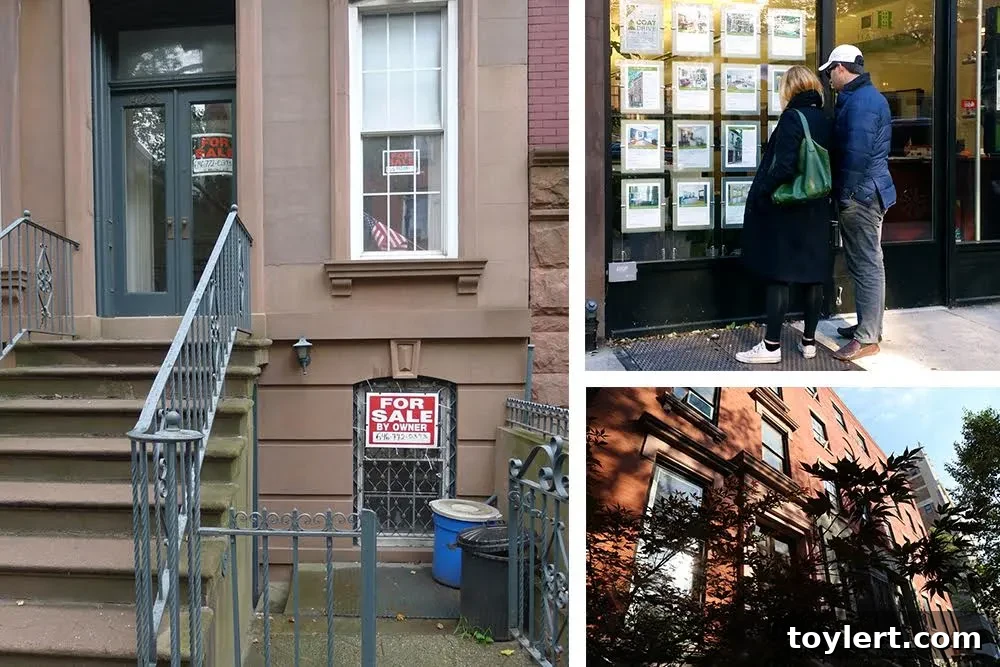
Is Brooklyn’s Real Estate Boom Cooling Down? A Market Analysis
Has the Real Estate Boom Come to an End?
The New York real estate market, particularly within the dynamic borough of Brooklyn, has long been characterized by relentless growth and steadily appreciating property values. For over a decade, Brooklyn experienced an unprecedented boom, attracting a steady stream of residents, businesses, and investors drawn to its unique blend of urban charm, cultural richness, and strong community ethos. However, recent observations from seasoned real estate agents indicate a noticeable shift in this high-paced trajectory. Starting towards the end of the summer season, signs of a market slowdown have become increasingly apparent, prompting a crucial question: Has Brooklyn’s real estate boom finally reached its zenith?
The indicators of this cooling market are varied and widespread, painting a clear picture of shifting dynamics. Open houses, once bustling with eager prospective buyers creating a competitive atmosphere, are now reportedly sparsely attended. This reduced turnout signals a decrease in immediate demand and a waning sense of urgency among potential purchasers. Furthermore, properties that historically would have been snapped up within days or weeks are now sitting on the market for extended periods without receiving viable offers. This prolonged market time stands in stark contrast to the aggressive bidding wars and quick sales that defined the peak years of the boom. Consequently, a growing number of sellers are finding themselves compelled to implement price cuts, a rare occurrence during periods of robust market expansion. These adjustments underscore a clear transition from a dominant seller’s market to one that is becoming more balanced, and in some segments, potentially favoring buyers.
Understanding the Market Recalibration in Brooklyn
This evolving market environment is not necessarily indicative of an impending crisis, but rather a natural recalibration following years of extraordinary appreciation. Several macroeconomic and local factors are likely contributing to this shift. A primary driver is the increase in interest rates, which directly impacts the affordability of mortgages, thereby reducing buyers’ purchasing power. Economic uncertainties, both domestic and global, can also foster a sense of caution among potential buyers and investors, leading them to defer major financial decisions like purchasing property. Moreover, a sustained period of exceptionally high prices can eventually lead to buyer fatigue, where individuals choose to wait for more favorable conditions or explore more affordable alternatives in neighboring regions or even outside the metropolitan area.
For those aspiring to enter the Brooklyn real estate market, this slowdown could present unique opportunities. Reduced competition, longer decision-making windows, and the potential for price negotiations might make homeownership in Brooklyn more attainable than it has been in recent memory. For current homeowners looking to sell, it necessitates a strategic approach, focusing on realistic pricing and effective marketing to ensure their property stands out in a less frenzied environment. It’s also important to recognize that market trends can vary significantly by neighborhood; areas like Downtown Brooklyn, Williamsburg, and Park Slope may experience these shifts differently based on their unique demographics and property types.
Despite the recent deceleration, Brooklyn’s fundamental appeal remains robust. Its dynamic job market, world-class cultural institutions, diverse culinary scene, and strong community fabric continue to attract a steady influx of residents. The current market slowdown may simply be a healthy pause, allowing the market to stabilize and setting the stage for more sustainable and predictable growth in the years to come, affirming Brooklyn’s enduring status as a premier urban destination.

Bed-Stuy Brownstones: Where History Meets Contemporary Family Life
Family Funs Up Magnificent Bed Stuy Brownstone With a Speakeasy in Its Past
Brooklyn’s rich architectural heritage finds its most vivid expression in its iconic brownstones, particularly those lining the picturesque, tree-lined streets of Bedford-Stuyvesant, affectionately known as Bed-Stuy. These magnificent structures, instantly recognizable by their distinctive brown sandstone facades and grand stoops, are more than just buildings; they are living testaments to generations past, offering a unique canvas upon which contemporary life unfolds. The captivating story of Jodie and Joe Patterson, who moved into one of Bed-Stuy’s most impressive brownstones with their four children three years ago, perfectly encapsulates this harmonious blend of historical reverence and modern family dynamism.
For the Pattersons, the allure of their new home lay not just in its spaciousness but in the deep sense of history embedded within its walls. Their endeavor became a delicate balance: injecting their vibrant, modern style and essential family comforts into an interior steeped in historical character. This process typically involves thoughtfully preserving original architectural details—such as ornate moldings, intricate fireplace mantels, and sweeping wooden staircases—while simultaneously updating spaces to meet the functional and aesthetic demands of a busy family with contemporary tastes. The Pattersons masterfully achieved this, transforming the main living areas into a sophisticated yet comfortable reflection of their unique aesthetic, where new furnishings gracefully coexist with timeless pieces that honor the home’s rich legacy.
The Enduring Charm of a Historic Basement Speakeasy
Yet, it is the basement of their magnificent brownstone that harbors a truly captivating and unique secret—a feature so integral to the home’s past and so remarkably preserved that the Pattersons made a collective decision never to alter it. This hidden gem is an authentic, fully intact speakeasy, a direct link to the Prohibition era and the clandestine social life that once thrived in Brooklyn. Discovering such a unique and perfectly preserved piece of history within a private residence is both rare and incredibly thrilling. It offers an intimate glimpse into a bygone era when such secret establishments were a vital, albeit illicit, part of urban social interaction, revealing the vibrant and often rebellious spirit that characterized Brooklyn’s past.
The Patterson family’s decision to keep the speakeasy untouched highlights a broader and increasingly popular trend among brownstone owners: a profound appreciation for authentic historical elements. While many modern renovations lean towards open-plan layouts and sleek, minimalist designs, there is a growing desire to retain unique historical features that imbue a home with distinct personality and a compelling narrative. For Jodie and Joe and their children, this basement isn’t merely another room; it functions as a living museum, a fascinating conversation starter, and a tangible link to the property’s intriguing past. It provides their children with a direct connection to history and offers an unparalleled, one-of-a-kind space for entertaining guests.
Bed-Stuy continues to attract families seeking spacious homes rich in character and nestled within a strong, evolving community. The harmonious blend of historic architecture, mature, tree-lined streetscapes, and modern urban amenities makes these brownstones highly sought after. Families like the Pattersons exemplify how these grand old houses can be thoughtfully re-envisioned for contemporary family life without sacrificing their historical integrity, proving that the most cherished homes are often those that honor their past while confidently embracing the future.
Utica Avenue and Beyond: Transportation as a Catalyst for Brooklyn’s Evolution
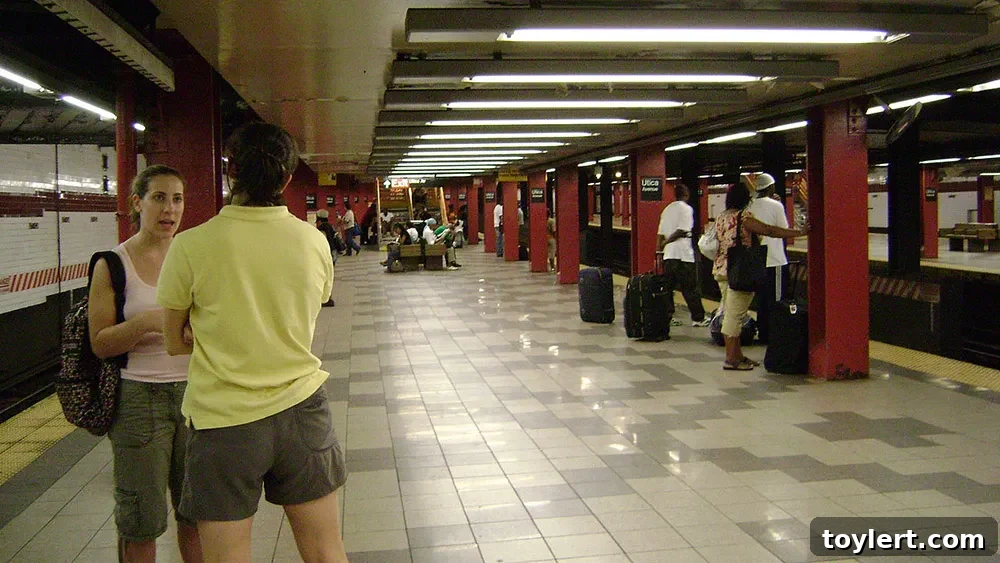
The pulsing heart of any thriving urban center lies not just in its impressive buildings and diverse populace, but fundamentally in the arteries that connect them. In Brooklyn, the extensive and iconic public transportation network, particularly its sprawling subway system, plays an indispensable role in shaping neighborhoods, influencing real estate values, and fostering comprehensive community development. The image of the Utica Avenue Subway station serves as a potent visual reminder of this crucial infrastructure, situated within a dynamic part of Brooklyn that continuously undergoes significant transformation and growth.
Subway lines, such as those that serve the vital Utica Avenue corridor, act as essential lifelines, effectively linking dense residential areas to major commercial hubs, renowned cultural institutions, and crucial employment centers across both Brooklyn and Manhattan. For the residents of diverse neighborhoods like Crown Heights and Bedford-Stuyvesant, the unparalleled accessibility provided by these subway stations directly impacts their daily quality of life, significantly enhancing commuting efficiency, and ensuring seamless connectivity to the wider metropolitan area. This level of accessibility is, without doubt, a primary driver for real estate desirability; properties situated within convenient walking distance of a subway station consistently command higher market values and attract substantially more interest from prospective buyers and renters. It is a foundational element that underpins urban convenience and shapes housing choices.
The Interplay of Infrastructure, Real Estate, and Community Development
Beyond its influence on individual property values, robust transportation infrastructure serves as a powerful catalyst for broader neighborhood revitalization and sustained economic growth. Improved and expanded transit options can stimulate significant commercial development, encourage the proliferation of local businesses, and draw in new residents, thereby fostering a more vibrant, diverse, and economically resilient community. The strategic development around key transit hubs often includes new residential housing, modern retail spaces, and essential community facilities, creating self-sufficient urban ecosystems that thrive on easy and efficient access.
Utica Avenue, a major thoroughfare and a critical transit corridor, perfectly embodies this ongoing process of urban evolution. Discussions surrounding the improvement and expansion of transit services in areas like these are constant and ongoing, reflecting Brooklyn’s steadfast commitment to sustainable growth and equitable access for all its residents. Potential enhancements could range from increasing service frequency and implementing comprehensive station upgrades to considering long-term plans for entirely new transit lines or extensions, all meticulously aimed at accommodating Brooklyn’s ever-growing population and ensuring its continued economic vitality. These substantial infrastructure investments are not merely about efficiently moving people from one point to another; they are profoundly about fostering economic opportunity, enhancing social equity, and building stronger, more resilient, and interconnected urban communities that can thrive for generations to come.
In conclusion, Brooklyn’s multifaceted journey is a compelling narrative of continuous adaptation and enduring appeal. The real estate market, while recently experiencing a healthy recalibration, remains a significant and defining aspect of its identity. Its historic brownstones continue to offer a unique and cherished blend of past elegance and present-day functionality, captivating families who seek both character and a strong sense of community. And underlying it all, the robust and expansive public transportation network ensures that Brooklyn remains seamlessly connected, incredibly dynamic, and perpetually evolving. These interconnected elements collectively paint a comprehensive and vibrant picture of a borough that consistently adapts, innovates, and thrives, firmly solidifying its place as one of the most exciting and sought-after urban landscapes in the world.